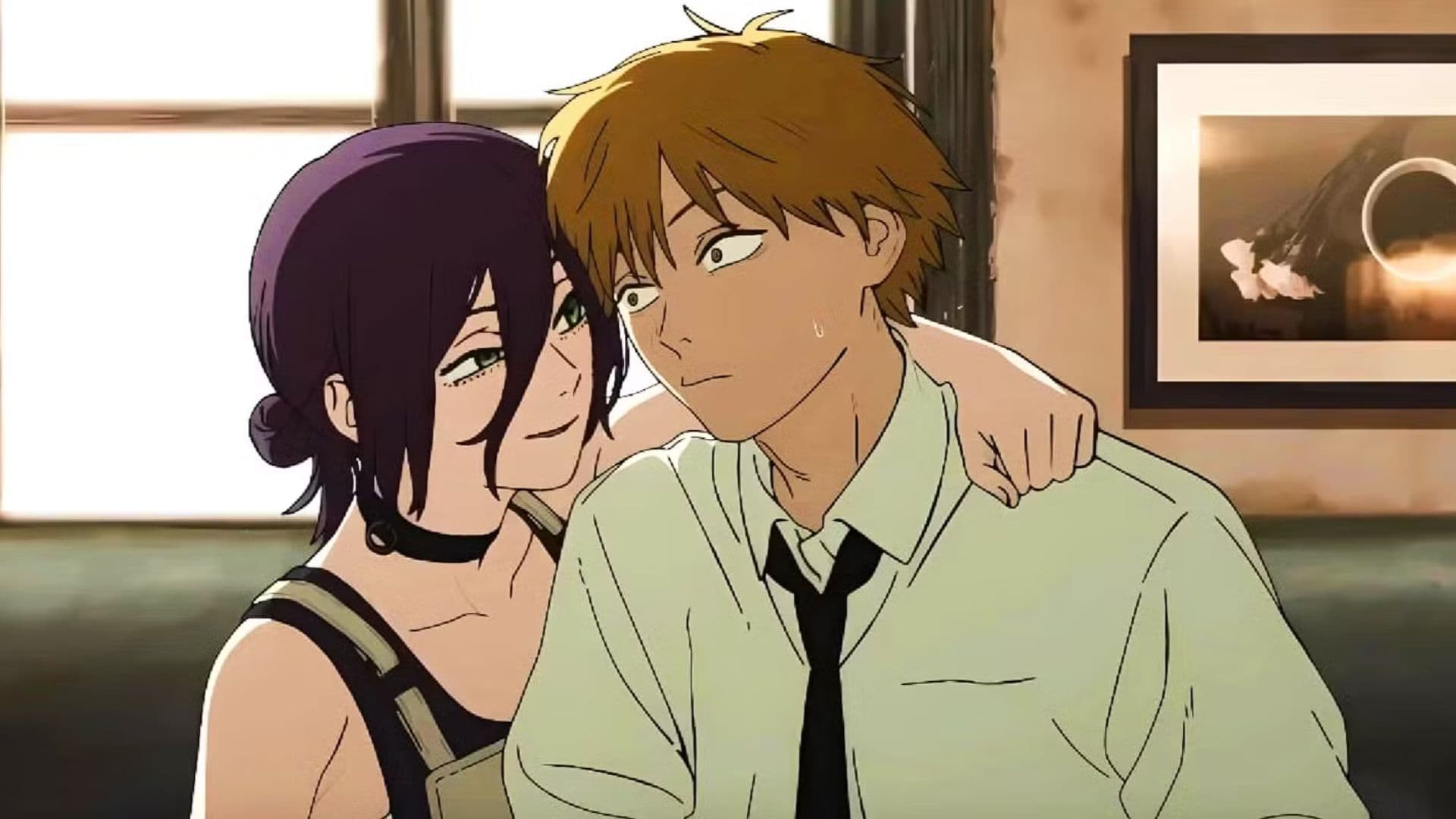
10 Dark Shonen Anime That Broke Shonen's Biggest Rules
Shonen anime is traditionally known for its vibrant characters, epic battles, and overarching themes of friendship, perseverance, and growth. However, a subset of these series has emerged, embracing a darker tone and delving into profound themes that challenge genre conventions. These dark shonen anime not only entertain but also provoke thought and evoke emotion, showcasing the complexities of human nature and societal issues. Let's explore ten such series that have dared to break the rules of shonen storytelling.
Quick Summary
In a genre often characterized by its upbeat storylines and heroic arcs, these dark shonen anime carve out their unique identities by incorporating elements of tragedy, moral ambiguity, and existential dilemmas. By pushing the boundaries of conventional narratives, they offer viewers a poignant exploration of life’s darker facets while still engaging in action and adventure.
Story Setup
The dark shonen anime often begin from familiar tropes—young warriors, epic quests, and formidable foes. However, as their plots unfold, viewers are met with unexpected twists that challenge their perceptions of good and evil, heroism, and sacrifice. For instance, narratives may center around themes of loss, betrayal, or the consequences of power, leading to deeply emotional storytelling that deviates from predictable outcomes.
One common thread is the exploration of inner demons, both literally and metaphorically. Characters might confront their psychological struggles, make morally questionable decisions, or even face the devastating consequences of their choices. These animations push beyond the surface-level battles and friendships typical of mainstream shonen, offering deeper emotional resonance and a thoughtful examination of personal and societal issues.
Main Characters
The characters in these dark shonen series are often complex and multi-dimensional, possessing traits that make them relatable, flawed, and compelling. Many protagonists are driven by traumatic backstories or personal vendettas, blurring the line between hero and antagonist.
- Eren Yeager from Attack on Titan exemplifies this as he evolves from a passionate defender of humanity to a morally ambiguous figure grappling with the consequences of his actions.
- Izuku Midoriya, while initially appearing as a classic underdog in My Hero Academia, faces significant emotional and ethical struggles as he navigates a world fraught with danger and moral complexity.
- Guts from Berserk embodies the archetypal anti-hero whose brutal past shapes his relentless pursuit of vengeance, illustrating how trauma can manifest in consuming rage.
These characters draw viewers into their individual journeys, compelling them to reflect on the motivations behind each action and the weight of their decisions.
Ending or Latest Episode Explained
While specifics about the current events of each series may vary, the themes often come full circle in climactic confrontations that challenge the morals of the characters. Generally, these endings urge the audience to question who truly wins and at what cost. Important characters may meet devastating fates, illustrating the harsh realities of conflict and sacrifice.
For instance, Attack on Titan culminates in a confrontation that tests alliances and kindness amidst chaos, leaving viewers wondering if the ultimate victory is worth the price paid in human lives and relationships. Similarly, Berserk drives home the cost of ambition and revenge, as Guts' relentless struggle against fate results in personal tragedy and loss.
Based on available public metadata, these conclusions not only serve as narrative resolutions but also as reflections on the ideals of the shonen genre, offering stark commentary on the inherent darkness of humanity.
What Could Happen Next
As fans eagerly anticipate future developments, it's essential to wonder what lies ahead for these complex characters. The groundwork laid in earlier arcs hints at potential new conflicts and character growth, promising to stun audiences further.
For instance, considering the cyclical nature of violence and revenge presented in Berserk, future arcs could deepen the exploration of Guts' psyche as he asserts his identity beyond the pain of his past. Similarly, in My Hero Academia, new threats may emerge that challenge not just the heroes but also force them to confront their ethical beliefs against darker, more morally ambiguous adversaries.
The possibilities are endless, keeping viewers on the edge of their seats and fostering conversations about character development and thematic exploration.
Why This Is Trending
The surge in popularity for dark shonen anime can be attributed to a growing audience appetite for stories that delve deeper than surface-level heroism. Fans are drawn to intricate plotlines that resonate with contemporary issues such as mental health, societal pressure, and the moral quandaries of power.
Furthermore, platforms for streaming and discussion have made it easier for viewers to share their insights and engage in conversations about the philosophical and ethical implications of these narratives. This trend not only allows enthusiasts to bond over shared interests but also initiates meaningful discussions around the implications of the themes explored in these anime.
Final Thoughts
These dark shonen anime prove that the genre is expansive and capable of evolving beyond its foundations. By challenging traditional notions of heroism, these series push the boundaries of storytelling, inviting viewers to contemplate the complexities of the human experience. As fans continue to engage with and advocate for these innovative narratives, it is clear that the evolution of shonen is ongoing—and it promises to captivate audiences for years to come. Keep an eye out for these transformative narratives that challenge perceptions, break rules, and reimagine what shonen anime can achieve.