10 Heaviest Crime Movies of All Time
As audiences continue to embrace intricate plots and morally complex characters, crime movies have maintained their place as a compelling genre in cinema. From mafias to hard-hitting dramas, the weight of these films often lies not just in their narratives but in the existential questions they pose and the emotional turmoil they inflict on viewers. This article highlights ten of the heaviest crime movies of all time, assessing their impact and what makes them stand out in the landscape of film.
Quick Summary
This list includes iconic titles like The Godfather Part II, Once Upon a Time in America, and No Country for Old Men. Each of these films brings a unique lens to crime, showcasing how power, betrayal, and morality intertwine. We're examining the story setups, main characters, and the thematic depth that elevates these films to a must-watch status for any cinema enthusiast.
Story Setup
Crime films often offer a rich tapestry of narrative, weaving together themes of betrayal, identity, and moral ambiguity. The Godfather Part II explores the duality of power as it chronicles the rise of Michael Corleone against the contrasting flashbacks of his father, Vito Corleone. Similarly, Once Upon a Time in America takes a multi-decade journey through the lives of Jewish gangsters in New York, revealing how friendship and betrayal shape their destinies.
No Country for Old Men delves deep into the bleak realities of violence in America, juxtaposing the ruthless actions of a hitman with the philosophical musings of an aging sheriff, showcasing how these crime narratives are not just about criminal acts but also about human nature.
Main Characters
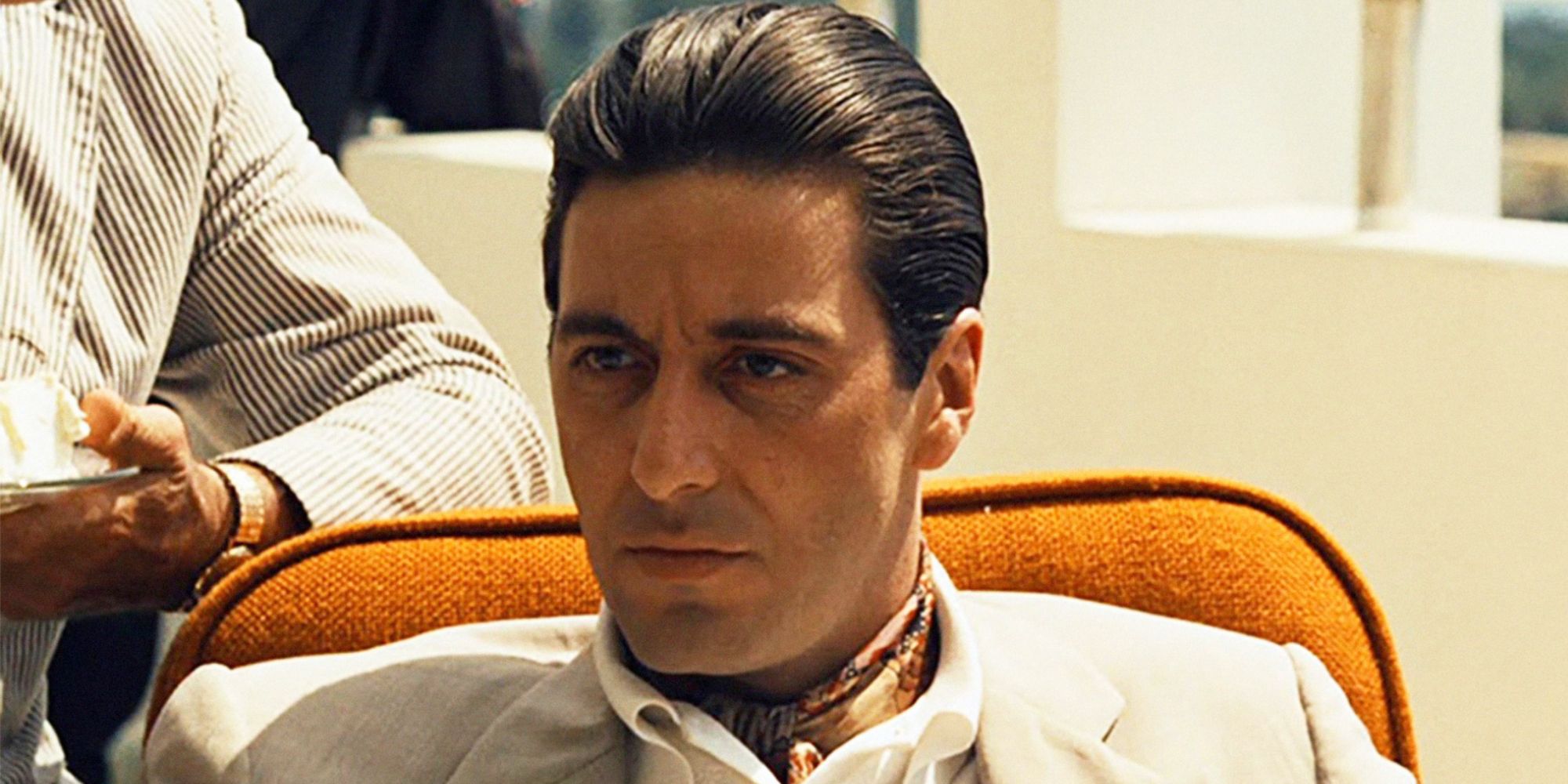
In examining heaviest crime movies, the characters often serve as the lifeblood of the storytelling. In The Godfather Part II, we witness Michael Corleone, portrayed masterfully by Al Pacino, as he becomes increasingly isolated and morally ambiguous. His character arc encapsulates the dark transformation that power can inflict.
Once Upon a Time in America features the impressive performance of Robert De Niro as Noodles, who is haunted by past decisions and the irrevocable changes they have wrought in his life and friendships. The labyrinthine narrative allows for a deeply emotional exploration of loyalty and consequence.
Then there’s Anton Chigurh, played by Javier Bardem in No Country for Old Men. His chilling portrayal of a remorseless killer embodies the randomness of fate and the existential dread prevalent in the film, leaving audiences questioning the nature of justice and morality.
Ending or Latest Episode Explained
While specific endings can vary in interpretation, the conclusions of these crime films often leave a lasting impact. In The Godfather Part II, the gripping finale underscores the loneliness that accompanies absolute power—Michael's isolation becomes painfully evident as he sits alone in a dark room, weighed down by the cost of his ambitions.
Once Upon a Time in America operates through a nonlinear narrative structure, culminating in a bittersweet ending that highlights the futility of dreams amidst the harshness of reality. As Noodles reflects on his past, the audience is invited to ponder the fleeting nature of time and relationships.
In contrast, No Country for Old Men ends on a somber note as Sheriff Bell grapples with his sense of morality in a world that seems to have lost its way. The film's ambiguous ending forces viewers to contemplate the implications of justice in a seemingly indifferent universe.
What Could Happen Next
As crime films continually evolve, it’s fascinating to anticipate how future filmmakers will adapt or pay homage to these heaviest titles. Audiences might see more complex character studies that eschew overt violence for psychological depth, exploring the ramifications of crime on both the perpetrator and the victim. Furthermore, as societal issues continue to surface—such as systemic inequality and corruption—future crime films may delve deeper into the socio-political aspects of criminality.
There’s also the potential for remakes or reinterpretations of these classic films. Could a modern retelling of The Godfather or No Country for Old Men resonate in today's world, perhaps reflecting contemporary concerns about power and morality? The answers could redefine how stories about crime are told.
Why This Is Trending
The resurgence of interest in heavy crime films can be attributed to various factors. The gravitation towards complex narratives that reflect real-world issues resonates more than ever. With streaming services offering vast libraries of cinema, audiences are discovering these classics anew. Their relevance in discussions about power dynamics, ethics, and human motivations also keeps these films in the cultural conversation.
Moreover, with the current political landscape, themes of betrayal and justice in crime movies reflect society's ongoing struggles. As such, these films are not just entertaining; they’re thought-provoking, making them ideal for discussions in academic settings and beyond.
Final Thoughts
Whether it’s the exploration of human nature, the moral ambiguities, or the sheer storytelling mastery, the ten heaviest crime movies of all time offer an array of insights into the complexities of the human experience. These films challenge audiences, both emotionally and intellectually, ensuring their place as staples in cinematic history. From timeless classics to newer offerings, their ability to reflect societal truths through the lens of crime showcases the enduring power and weight of this genre.