10 Heaviest Movies of the Last 25 Years, Ranked
In the vast landscape of cinema over the last 25 years, some films have emerged as truly weighty affairs, delving deep into emotional, psychological, and societal themes that resonate long after the credits roll. These films challenge viewers not only with their narratives but also with the profound questions they pose about humanity, morality, and the human experience. Here we explore ten of the heaviest movies that have made a significant impact both critically and culturally.
Quick Summary
The essence of each of these films lies not just in their storytelling but also in their ability to provoke thought and evoke emotion. Whether it's the exploration of grief, the brutality of human nature, or the complexities of love and loss, these films stand out for their heavy themes and stark portrayals. Upcoming entries like Killers of the Flower Moon, The Zone of Interest, and Amour receive acknowledgment for their emotional heft and moral weight.
Story Setup
-
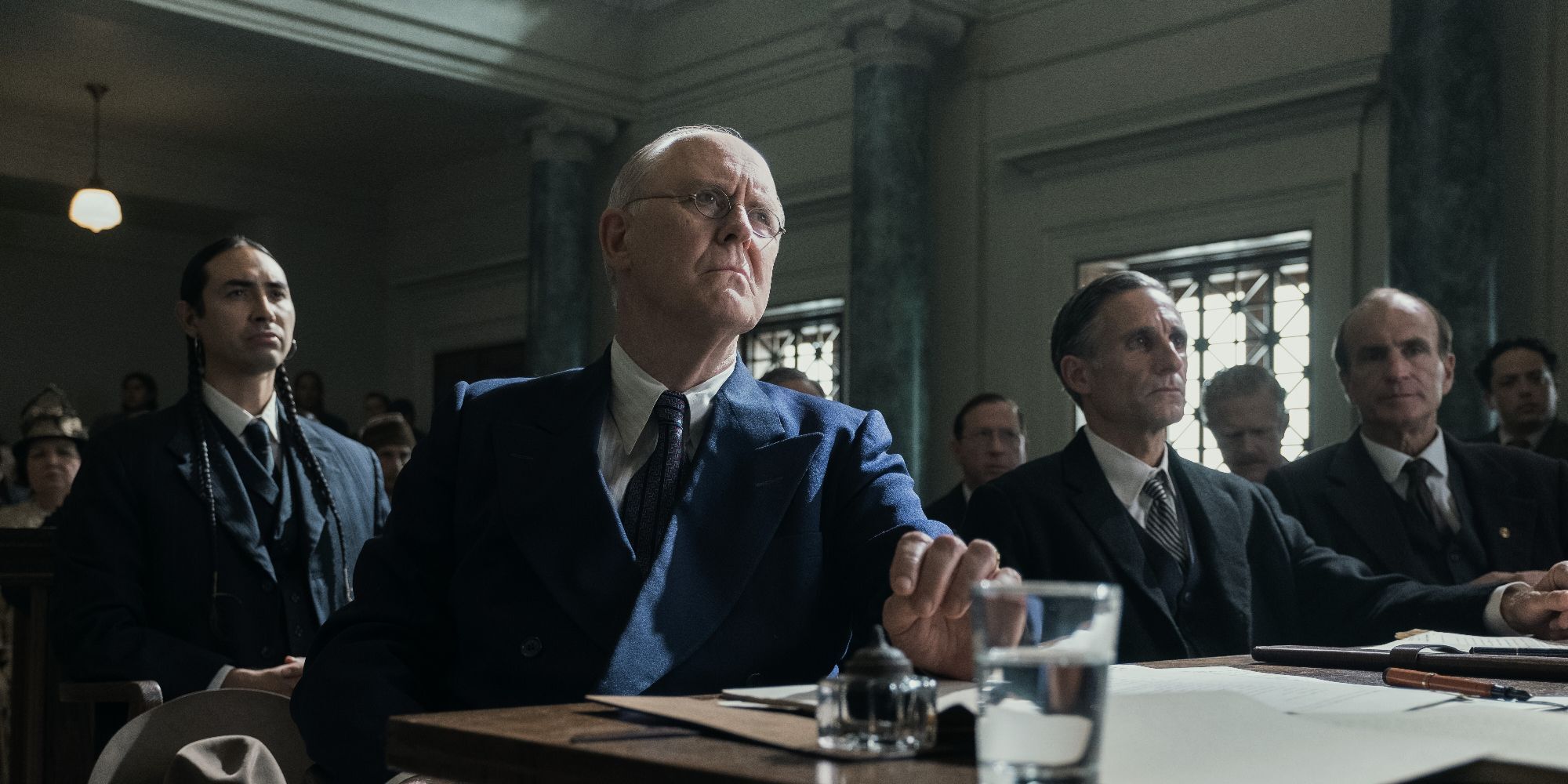
Killers of the Flower Moon - Set in 1920s Oklahoma, this film tackles the Osage Murders and the birth of the FBI while revealing the greed and injustice faced by Native Americans. Adapted from David Grann's bestselling book, it promises powerful performances alongside an unsettling yet crucial historical narrative.
-
The Zone of Interest - Focused on the chilling yet mundane existence of a commandant's family living adjacent to Auschwitz, this film presents an unsettling reflection on the banality of evil. It juxtaposes domestic life and the ongoing horrors of the Holocaust, forcing viewers to confront uncomfortable truths about complicity and denial.
-
Amour - A poignant exploration of love and aging, this film follows an elderly couple dealing with the aftermath of a stroke. It beautifully captures the rawness of love intertwined with inevitable loss, leaving audiences heartbroken yet reflective on the realities of life and death.
These stories set the stage for a deep dive into the human condition, combining compelling narratives with relentless emotional weight.
Main Characters
The characters in these films are not mere figures but representations of broader themes:
-
Killers of the Flower Moon features characters marked by conflict, trauma, and resilience, embodying the complex realities faced by the Osage Nation.
-
In The Zone of Interest, the commandant's family serves as a stark contrast to the suffering surrounding them, showcasing the chilling ease with which individuals can turn a blind eye to atrocity.
-
Amour centers on Anne and Georges, whose relationship is tested by illness. Their journey captures the essence of companionship, grief, and the struggle against the inevitable.
Through these carefully crafted characters, each film compels the audience to confront their moral beliefs and emotional responses to life's harsh truths.
Ending or Latest Episode Explained
With the films in question, the endings are as impactful as the narratives. Each conclusion resonates with viewers, imparting a profound sense of reflection:
-
Killers of the Flower Moon culminates in a chilling resolution that reveals the depth of systemic injustice, leaving the audience with lingering questions about morality and power.
-
The Zone of Interest concludes with a stark commentary on the human capacity for denial, presenting a chilling reexamination of familial innocence against the backdrop of unspeakable horror.
-
Amour closes on an intimate and devastating note, illustrating the complex interplay of love and loss, and emphasizing that sometimes love means experiencing profound pain.
While audiences might be left in emotional turmoil, the power of these endings lies in their ability to evoke contemplation about life’s fragility.
What Could Happen Next
The trend of heavy cinema appears to be gaining momentum. As filmmakers become increasingly willing to tackle uncomfortable topics, audiences can expect more thought-provoking narratives that challenge societal norms and human experiences. This could lead to:
-
More audience engagement with complex themes, encouraging discussions on morality, human rights, and empathy through cinema.
-
An increase in collaborations between historically-minded filmmakers and contemporary storytellers, aiming to shed light on overlooked narratives from the past.
-
The emergence of new voices in the film industry who prioritize emotional depth and thematic exploration, expanding the landscape of heavy cinema.
Why This Is Trending
The current societal climate emphasizes the importance of examining difficult topics. As global events unfold, audiences are increasingly drawn to films that resonate with current realities and historical injustices. This trend reflects a collective yearning for understanding and insight into our own human nature. Additionally, the critical acclaim and awards that surround these films lend them increased visibility, encouraging more viewers to engage with heavy narratives.
Final Thoughts
As we reflect on these ten heavy movies, it becomes evident that film is not just a medium for entertainment but a powerful tool for exploring the darkest corners of human existence. The capacity of these films to evoke discussion and reflection demonstrates the profound impact of cinema in shaping societal values and understanding. Whether they leave audiences in tears, provoke a need for change, or simply offer a mirror to society, the heaviest films of the last 25 years remind us of the importance of grappling with the weighty issues of our time. Each movie serves as a reminder that stories of the past can illuminate our present and shape our future.