5 Greatest Decades in Cinema History, Ranked
The world of cinema has evolved tremendously since its inception, with certain decades standing out for their monumental contributions, iconic films, and cultural revolutions. Each decade has its share of memorable classics, but some eras are golden landmarks that continue to influence filmmakers today. This article delves into the five greatest decades in cinema history, exploring the films and trends that marked them.
Quick Summary
While every decade in film history has its remarkable achievements, the 1950s, 1970s, and 1980s are often regarded as the most impactful. These decades changed the landscape of storytelling on screen, introduced groundbreaking filmmaking techniques, and caved the path for future genres and trends.
Story Setup
From the early days of silent films to the modern cinematic experiences available today, the evolution of cinema reflects societal changes, technological advancements, and cultural shifts. Throughout the decades, filmmakers have captured the essence of their times, whether it was the gritty realism of post-war films in the 1950s or the vibrant, larger-than-life spectacles of the 1980s.
1950s: The Birth of Modern Cinema
The 1950s saw a monumental shift in how films were made and perceived. After World War II, filmmakers began experimenting with deeper narratives and more complex characters. Classic films from this era, such as Rebel Without a Cause, Ben-Hur, and 12 Angry Men, not only entertained but also provided commentary on social issues and personal struggles. This decade marked the rise of method acting and a new wave of directors who prioritized storytelling over commercial success.
1970s: The Golden Age of Hollywood
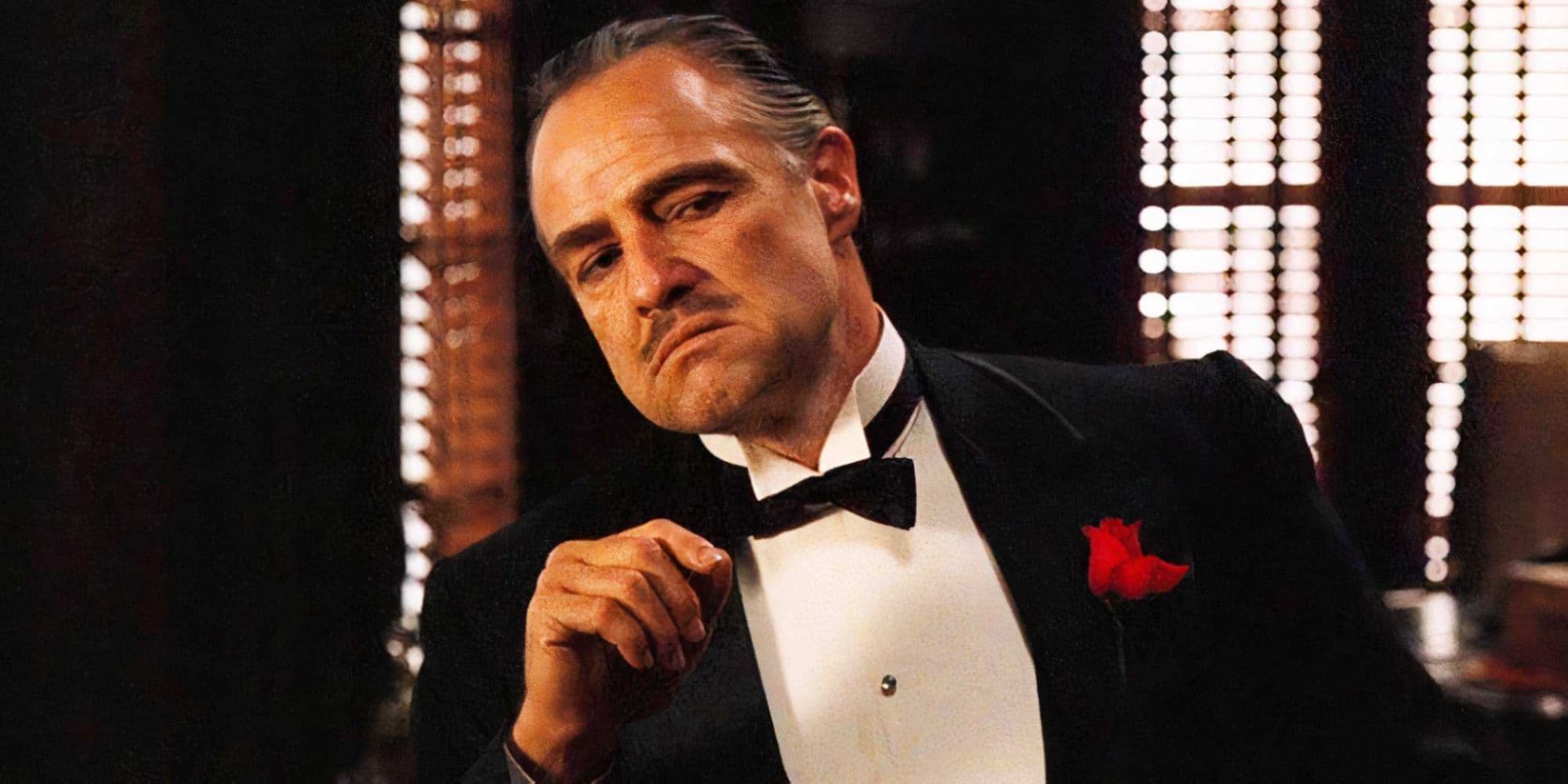
The 1970s is often considered the Golden Age of Hollywood and for good reason. With filmmakers like Martin Scorsese, Francis Ford Coppola, and Steven Spielberg at the helm, this era gifted audiences with timeless classics such as The Godfather, Taxi Driver, and Jaws. The decade is characterized by a push against the traditional studio system, resulting in films that were often more experimental, raw, and character-driven. It was during this decade that genres began to blend, giving rise to the iconic blockbuster phenomenon.
1980s: The Rise of Blockbusters
The 1980s ushered in financial success unlike anything seen before in cinema, predominantly through the blockbuster film model. Iconic movies such as E.T. the Extra-Terrestrial, Star Wars: Return of the Jedi, and Indiana Jones: Raiders of the Lost Ark became cultural touchstones. This decade was marked by cutting-edge special effects, the emergence of franchises, and an emphasis on escapism and entertainment, reinforcing the notion that films could be significant not just as art but as a commercial juggernaut.
Main Characters
Key figures played significant roles in shaping cinema during these glorious decades. In the 1950s, actors like James Dean and Marlon Brando showcased intense performances that defined a generation. Moving into the 1970s, actors like Al Pacino and Robert De Niro not only crafted memorable characters but also helped shape the narratives and themes of their films. The 1980s brought a new wave of stars including Harrison Ford and Sigourney Weaver, who brought charisma and relatability to blockbuster roles, contributing to their massive success.
Ending or Latest Episode Explained
As we navigate through these decades, it’s crucial to recognize how they lead to the transition into the subsequent eras. The storytelling techniques and cinematic styles of the 1950s, 1970s, and 1980s laid the groundwork for the rich and diverse landscape we see today. Shifts in technology, including the rise of digital filmmaking and video on demand, only serve to underscore the importance of understanding these pivotal decades.
What Could Happen Next
With filmmakers pulling inspiration from the past, there is great anticipation for how these iconic eras will continue to influence future cinematic creations. Today, trends such as reboots, sequels, and remakes often draw on the classics of these celebrated decades, merging nostalgia with modern storytelling techniques. As new filmmakers emerge, they may challenge and redefine the cinematic landscape yet again, promising another exciting chapter in the world of cinema.
Why This Is Trending
Interest in cinema's greatest decades is growing as film enthusiasts realize the profound impact these eras have had not only on the industry but also on culture at large. Themes from these decades resonate today, impacting how stories are told and how characters are portrayed. Additionally, the emergence of streaming platforms and social media has allowed for renewed discussions and access to classic films, making it easier for new generations to experience the magic of the 1950s, 1970s, and 1980s.
Final Thoughts
Ranking the greatest decades in cinema history requires an understanding of not just the films themselves, but also the cultural and technological shifts they represent. The 1950s, 1970s, and 1980s remain monumental in their contributions to art and society, pushing the boundaries of creativity and storytelling. As we continue to explore cinema, nurturing a deep appreciation for these pivotal decades helps us understand where we've been and where we're headed in the fascinating world of film.