6 '90s Thrillers That Are Better Than Anything Released This Decade
The 1990s brought a wave of gripping thrillers that not only captivated audiences but also set the bar high for cinematic storytelling. Films like Seven, Heat, and The Silence of the Lambs are heralded not just for their gripping narratives but also for their deep character explorations and atmospheric tension. In a decade where stakes felt incredibly real, these films have a charm and effectiveness that many modern releases struggle to match.
Quick Summary
In this article, we will explore six iconic thrillers from the 1990s that have stood the test of time. These films continue to outperform many current thrillers, showcasing unparalleled atmosphere, suspense, and complex characters. From psychological depth to edge-of-your-seat tension, these movies still resonate with audiences today.
Story Setup
The '90s were characterized by a blend of innovative storytelling techniques and strong character development. Thrillers during this decade often featured morally ambiguous protagonists, intricate plots, and a palpable sense of danger. Movies like Seven introduced audiences to the dark corners of human nature, while Heat showcased the complexity of relationships against a backdrop of crime. Each film carried its unique twist, ensuring that every moment was packed with tension.
1. Seven (1995)
Based on the chilling screenplay by Andrew Kevin Walker, Seven revolves around two detectives who hunt a serial killer who uses the seven deadly sins as his modus operandi. The film is a masterclass in atmospheric filmmaking, accentuated by David Fincher's direction. Its shocking conclusion reveals the depths of depravity that mankind is capable of, leaving audiences pondering long after the credits roll.
2. The Silence of the Lambs (1991)
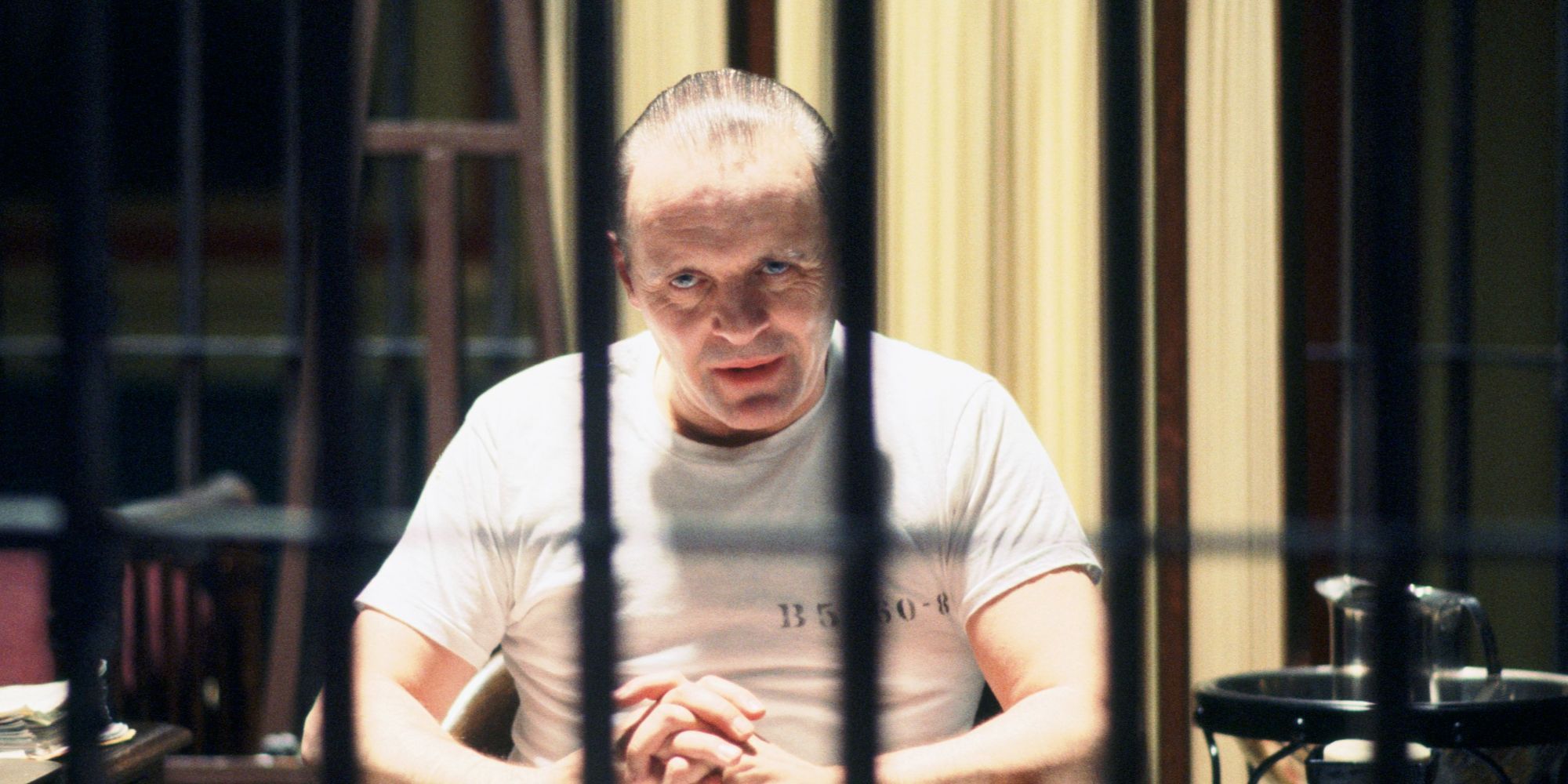
This psychological horror-thriller directed by Jonathan Demme features an iconic performance by Anthony Hopkins as Dr. Hannibal Lecter and Jodie Foster as FBI trainee Clarice Starling. The film's exploration of the psychological cat-and-mouse game between Lecter and Starling raises chilling questions about morality, power, and control in the pursuit of justice.
3. Heat (1995)
Heat, directed by Michael Mann, is renowned for its intricate plot and character depth. The epic face-off between master thief Neil McCauley (Robert De Niro) and dedicated detective Vincent Hanna (Al Pacino) explores themes of obsession, loyalty, and the duality of good and evil. The film’s bank heist scene set a new standard for action sequences, contributing to its reputation as a modern classic.
4. Cape Fear (1991)
In Cape Fear, Martin Scorsese crafts an intense thriller that explores themes of vengeance and psychological torment. When an ex-convict (Robert De Niro) stalks the lawyer (Nick Nolte) who failed to save him from prison, each encounter builds relentless tension. Scorsese’s keen visual style and De Niro’s unsettling performance keep viewers on the edge of their seats.
5. The Game (1997)
Starring Michael Douglas and Sean Penn, The Game takes audiences on a wild ride through the complicated layers of trust and deception. Directed by David Fincher, the film explores how reality can bend when influenced by wealth and power. Its twisty plot keeps viewers guessing, making it a standout in thrillers that question the nature of control.
6. Primal Fear (1996)
This courtroom thriller stars Richard Gere as a defense attorney who takes on a controversial case involving a young altar boy (Edward Norton) accused of murdering a priest. Primal Fear skillfully weaves themes of faith, manipulation, and personal redemption into its narrative, culminating in a shocking twist that leaves the audience breathless.
Main Characters
While each film boasts a unique set of characters, the complexity within them makes each story come alive.
- Detectives Mills and Somerset (from Seven): Their contrasting personalities highlight the struggle between morality and nihilism.
- Dr. Hannibal Lecter and Clarice Starling (The Silence of the Lambs): Their dynamic showcases a tense relationship marked by intellectual games.
- Neil McCauley and Vincent Hanna (Heat): Representing the blurred lines between hero and villain, this duo is both admirable and tragic.
Each character contributes to the depth of the story, making these thrillers a multilayered experience.
Ending or Latest Episode Explained
In the context of these films, endings often serve as a reflection of the themes presented. For instance:
- In Seven, the haunting conclusion leaves viewers grappling with the implications of human nature.
- The Silence of the Lambs concludes with Starling gaining both the upper hand and a greater understanding of her own fears.
- The ending of Heat underscores the inevitable clash between crime and law enforcement in a tragically poignant way.
These conclusions not only resolve the narrative but also provoke thought, a quality often sought after in thrillers.
What Could Happen Next
While these movies have concluded, their themes continue to resonate in modern cinema. The psychological complexity and moral questions posed by these films could inspire sequels or reimaginings that explore how society’s relationship with crime and morality has evolved today. Future films could take cues from these masterpieces, blending their intensity with modern storytelling techniques.
Why This Is Trending
As audiences increasingly crave originality and depth in film, these '90s thrillers continue to trend for their lasting impact. In an era where many films prioritize special effects over substance, viewers find themselves drawn back to these classics, appreciating their craftsmanship, powerful performances, and intricate narratives. The nostalgia for a time when films challenged viewers and left lasting impressions has contributed to their resurgence in popularity.
Final Thoughts
In summary, the thrillers of the 1990s, including Seven, The Silence of the Lambs, and Heat, remain monumental not just for their storytelling but for their exploration of the human psyche. They offer audiences much more than mere entertainment; they provide a critical lens through which we can examine morality, fear, and the human capacity for evil. As modern thrillers rise and fall, these classics undoubtedly claim their rightful place in cinematic history, continuing to outshine many contemporary offerings. It’s time to revisit these films and appreciate the depth of storytelling that defined a generation of cinema.