7 Naruto Characters Who Were Cooler Before They Started Talking
The world of Naruto is filled with iconic characters, each with their unique abilities and backstories. However, some of these characters had an aura of mystery that was diminished once they began to vocalize their thoughts and motivations. This exploration takes a closer look at seven Naruto characters who were undeniably cooler before they started talking.
Quick Summary
Throughout the series, many characters evolve not only physically but emotionally and verbally as well. While dialogue can enhance a character's depth, it can sometimes strip away the enigmatic qualities that initially made them captivating. From Kiba Inuzuka to Kabuto Yakushi, we analyze how words have affected these characters' perceptions in the Naruto fandom.
Story Setup
The Naruto series showcases a diverse array of ninja, each belonging to different clans, with distinct abilities and philosophies. The initial allure of several characters stems from their visual designs and enigmatic traits. For instance, the way they showcase their combat skills or the aura they emit during fights often paints them as formidable and intriguing. As the story unfolds, dialogue unveils their personalities. While this development can create relatable and multi-dimensional characters, it can also lead to an unexpected loss of allure.
Main Characters
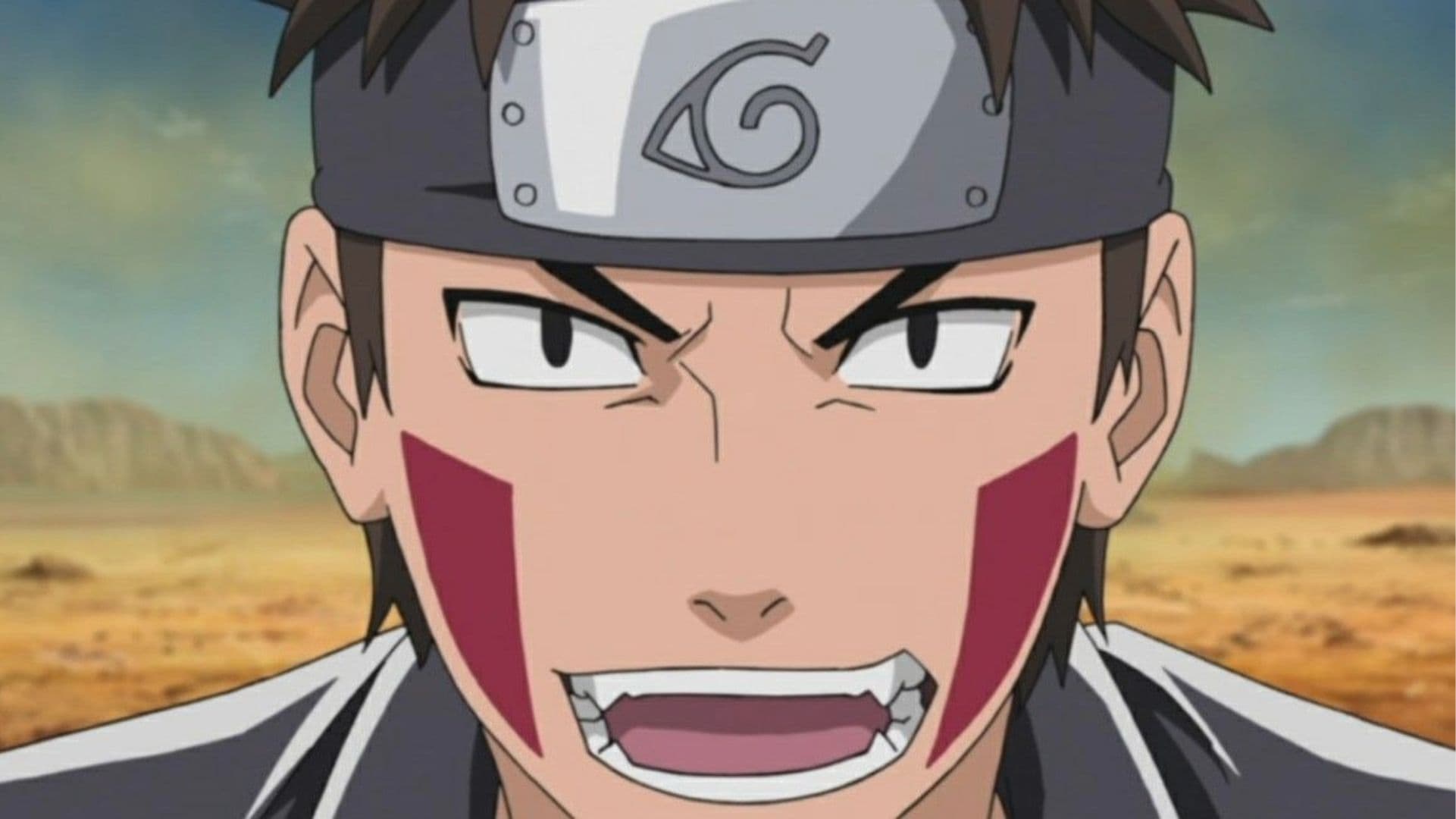
1. Kiba Inuzuka
Kiba, the boisterous member of Team 10, radiates confidence and a playful spirit. His partnership with Akamaru, his canine companion, initially makes him appear tough yet compassionate. However, as he voices his ambitions and relationships, his character loses some of the fierce mystique that was present during his early battles.
2. Kabuto Yakushi
Kabuto starts as a supportive figure, but later reveals a complex personality that takes center stage. While his backstory adds layers to his motivations, the initial intrigue surrounding him was built on his shrouded intentions and observant demeanor. His transformation into a principal antagonist hinges too much on exposition and loses the tension that his silence once encapsulated.
3. Sasori
Sasori, one of the major antagonists of the series, initially arrives with an air of mystery, especially due to his Puppet Jutsu. His chilling demeanor and lack of verbal communication build intrigue. However, once he explains his motivations, including his desire for art and the nature of life and death, the character becomes more relatable but less eerie.
4. Zabuza Momochi
Initially, Zabuza is a fearsome rogue ninja with a tall and imposing presence. His menacing silence and ruthless tactics establish him as a formidable foe. However, as his character develops and he engages in dialogue, particularly his interactions with Haku, his threatening vibe diminishes. The shock of his backstory alters the fear he instilled, replacing it with a sense of tragedy that feels almost out of place amongst the tension he previously created.
5. Deidara
This explosive artist brings an edge to villainous creativity, with his enigmatic nature standing out even among Akatsuki members. His early portrayal as an aloof and passionate sculptor captivates viewers. However, his incessant chatter about art and beauty ultimately detracts from the overwhelming intimidation he initially inspired.
6. Tobi
When first introduced, Tobi seems like a carefree member of Akatsuki, almost comic relief amid grave situations. The air of unpredictability surrounding him sets an exciting tone. Yet, once he reveals his true identity and motives, the once-quirky character transforms into a typical villain, losing the charm of his initial unpredictability.
7. Orochimaru
Orochimaru presents himself as one of the series' most threatening figures. His obsession with immortality and ambition makes him intriguing, yet his articulations of goals and intentions over time take away from the sinister unknowingness that made him stand out. His monologues on power may reveal depth but also dilute the ominous presence he maintained through silence.
Ending or Latest Episode Explained
Based on available public metadata, this article does not delve into specific episode endings or their latest revelations. Instead, it focuses on character arcs and their evolution throughout the series. While the battles and strategies employed in Naruto showcase fantastic narratives, the characters' dialogue can sometimes detract from the tension built up through their earlier silent roles.
What Could Happen Next
As Naruto continues to inspire new story arcs and spin-offs, fans are left wondering how other characters’ personalities might unfold. Will creators choose to embrace the more mysterious dynamics like those seen in the original series, or will they continue to expand narratives through dialogue? Future adaptations might benefit from a balance—offering personality depth without losing that edge of mystique.
Why This Is Trending
This piece of analysis has sparked conversation among Naruto fans who take a nostalgic look back at characters and their development. As anime evolves in transparency, few fans embrace the return of more enigmatic storytelling. Journals and discussions on social media platforms highlight how fans prefer characters that maintain an air of mystery, aligning with many classic tropes in anime storytelling.
Final Thoughts
Characters are often looked at through multifaceted lenses, where their personalities can either enhance or detract from their overall appeal. The discussion around these seven Naruto characters invites fans to consider the balance between dialogue and silence in storytelling. As the industry changes, it will be fascinating to see if future series will heed these lessons and create characters that balance narrative depth with an intriguing mystique.