8 Fantasy Movies That Would Never Get Made Today
The fantasy genre has always pushed the boundaries of imagination in cinema, providing viewers with some of the biggest spectacles and unforgettable cult classics. However, a number of these fantastical tales that once lit up the screen would struggle to find a green light in today's often scrutinized movie environment. This article delves into eight such fantasy films that, for various reasons, would face challenges in the current landscape of Hollywood.
Quick Summary
In a world where studios are increasingly cautious about their investments and wary of potential backlash, some of the most enchanting fantasy films from past decades would likely never be produced today. From questions of representation to outdated themes, this breakdown looks at the stories and characters that defined a generation yet might not find the same adoration if they were pitched to today's audiences.
Story Setup
-
The NeverEnding Story (1984)
- This enchanting tale of a boy who discovers a magical book and is drawn into a fantastical world would likely face criticism today for its portrayal of complex themes like bullying and self-discovery, which might not easily resonate with the current focus on nuanced storytelling.
-
Labyrinth (1986)
- Featuring a mix of whimsy and darker undertones, Jim Henson's classic faces potential backlash in today's environment due to its portrayal of the Goblin King and the implications of seduction and manipulation involved in the narrative.
-
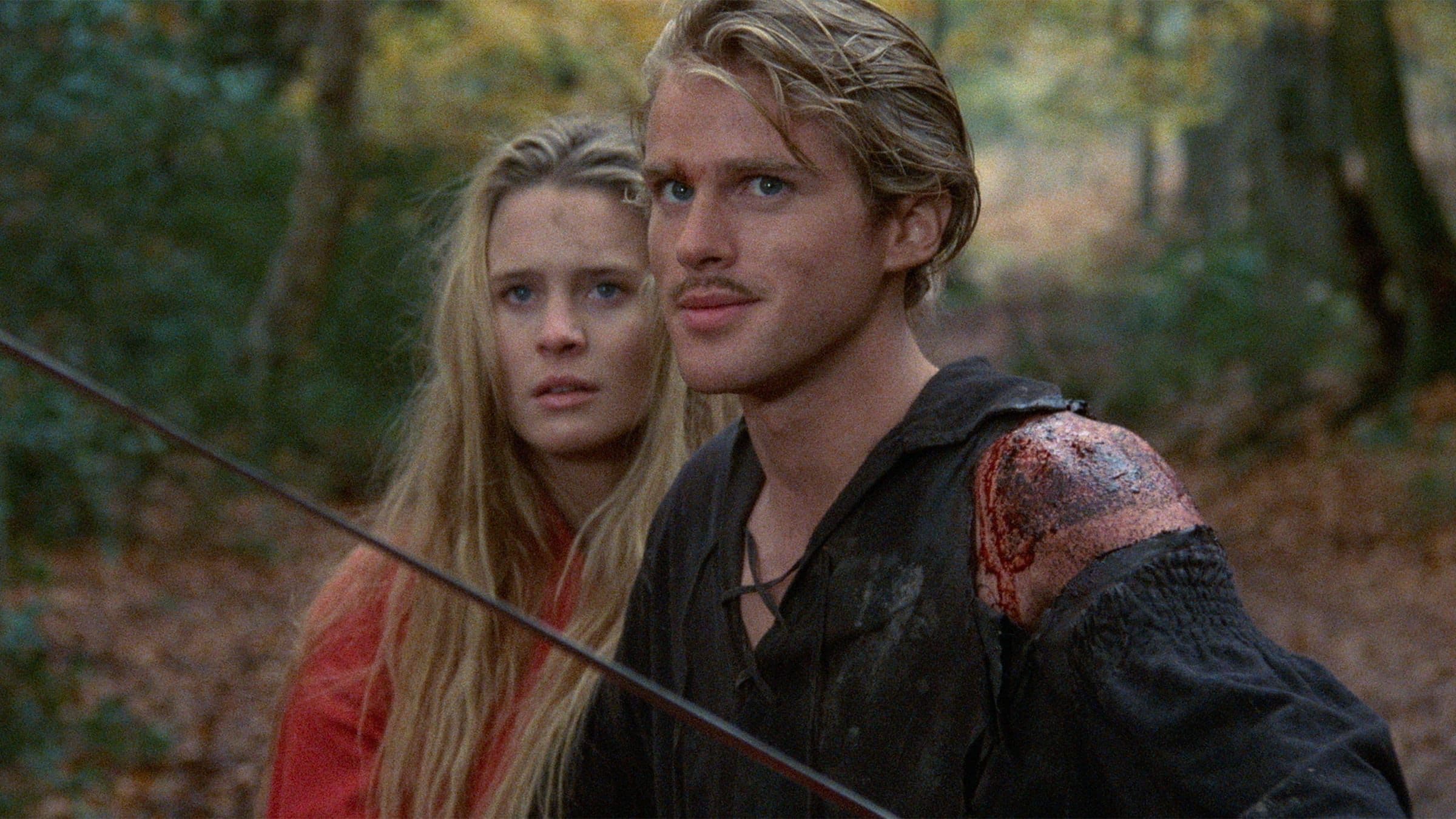
The Princess Bride (1987)
- While revered as a cult classic, some humor and character portrayals in this fan-favorite could come under fire in a more sensitive narrative landscape, potentially alienating modern audiences.
-
The Dark Crystal (1982)
- This beloved Henson film, with its dense lore and morally ambiguous characters, might struggle in a climate that favors clearer distinctions between good and evil, along with a preference for CGI over traditional puppetry.
-
The Witches (1990)
- Based on Roald Dahl’s novel, the original film’s depiction of witches wouldn’t translate well today, especially in light of changed perspectives regarding the portrayal of minor characters and its potentially trigger-sensitive content.
-
The Flight of Dragons (1982)
- This animated classic weaves together science and magic, and while imaginative, the narrative complexities might seem outdated or too heavy-handed for today’s audiences who prefer straightforward tales.
-
Return to Oz (1985)
- Its dark tone and themes of mental health, though poignant, might raise concerns regarding representation and audience sensitivity now that mental illness is acknowledged more openly.
-
Conan the Barbarian (1982)
- This film, with its hyper-masculine themes and gratuitous violence, would likely be scrutinized in a more contemporary cinema atmosphere focused on gender representation and narrative depth.
Main Characters
- Bastian Balthazar Bux from The NeverEnding Story navigates themes of grief and growth as he connects with the book's fantastical world.
- Jareth the Goblin King, played by David Bowie in Labyrinth, is both charismatic and enigmatic, representing temptation but also causing modern watchers to consider consent and agency.
- Buttercup and Westley from The Princess Bride, who embody romantic idealism, might have their character arcs dissected under today’s lens of informed relationships.
- Gelflings and Skeksis in The Dark Crystal show a struggle for balance between disparate forces, a narrative central to many animated features but perhaps overly complex today.
- The title character in The Witches plays with the concept of villainy and femininity but wouldn’t escape criticism today due to its depiction of otherness and monstrous personas.
- Dungeons & Dragons figures in The Flight of Dragons encourage imagination but may lack deeper connections for viewers seeking character-driven storytelling.
- Dorothy Gale from Return to Oz embarks on a journey of self-discovery that may be interpreted differently amid today’s discussions surrounding mental health.
- Conan, while a classic hero figure, would likely not meet the aspirations of today’s diverse representation in storytelling.
Ending or Latest Episode Explained
As fantasy worlds often culminate in grand resolutions, it’s intriguing to dissect how these endings would be perceived today. The ultimate victory in films like The NeverEnding Story showcases the triumph of imagination, but a contemporary audience might question the implications of escapism over facing real-life struggles.
What Could Happen Next
If filmmakers were to revisit these fantasy classics, the narratives would likely experience significant overhauls to align with contemporary social values and expectations. New adaptations could focus on stronger female leads, more diverse representations, and thoughtful explorations of themes that resonate with 21st-century viewers.
However, these stories could also risk losing the very essence that made them iconic in the first place. Balancing authenticity with modern sensibilities will remain a challenge for studios considering rebooting such timeless properties.
Why This Is Trending
The topic of classic films facing modern criticism resonates with audiences currently navigating an age where media representation is intensely scrutinized. As discussions around sensitivity in storytelling grow louder, fans of fantasy films are reflecting on how beloved childhood stories might now be perceived in today’s sociocultural climate. This dialogue highlights the contrast between nostalgia and progress, making it an essential conversation among film buffs and casual viewers alike.
Final Thoughts
While these eight films played substantial roles in shaping the fantasy genre landscape, it's essential to recognize that narrative priorities change over time. The very magic of cinema lies in its ability to reflect societal shifts, and while these classic films brought joy and wonder to viewers, many of their elements might falter under contemporary scrutiny. As such, they stand as reminders of a different era; an era with storytelling styles, controversies, and cultural reflections that may never find their way back to the big screen in the same form. In navigating the future of fantasy cinema, filmmakers will need to embrace fresh voices and innovative perspectives while respecting the legacy of the fantasy films that shaped their craft.