test
asdasd
Exploring why revisiting anime from the 2000s can be a challenging experience for modern audiences, while still appreciating its impact on the genre.
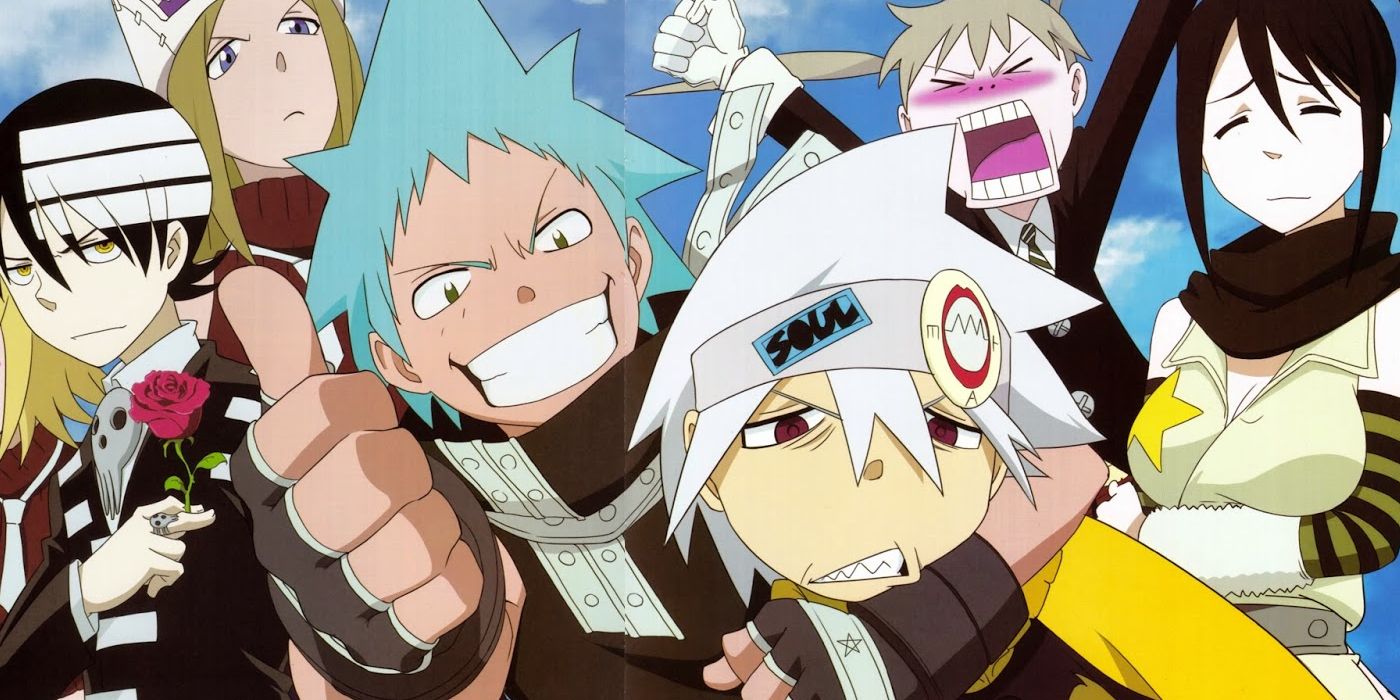
The anime landscape has evolved considerably over the years, with the 2000s serving as a defining but also challenging era. While this decade introduced numerous iconic titles and innovative storytelling, it also presented some considerable hurdles for contemporary viewers. Here are eight reasons why watching 2000s anime today can be a tough experience.
The 2000s established a rich array of anime genres and themes, but its problematic tropes and outdated animation techniques often detract from the overall viewing experience. Audiences interested in revisiting this era might be surprised to find that some aspects haven’t aged well.
Anime from the 2000s played a pivotal role in shaping the medium. Shows like "Naruto," "One Piece," and "Bleach" emerged as fan favorites, while more niche titles like "Hellsing" and "Ghost in the Shell: Stand Alone Complex" carved out their corners of the fandom. However, alongside these classics, the decade was also marked by trends and tropes that can feel jarring and often problematic by today’s standards. This dissonance is one of the primary reasons that many fans find it challenging to revisit these shows.
Many of the leading characters from 2000s anime have become cultural icons, but they often embody a range of clichés that can frustrate modern viewers. The over-reliance on the “chosen one” narrative, for instance, featured prominently in titles like "Naruto" and "Bleach." Characters often follow a predictable trajectory, with their development stunted by familiar “hero’s journey” elements. Similarly, the portrayal of female characters frequently fell short of contemporary standards, with many depicted through a problematic male gaze. This can make the viewing experience uncomfortable for today's audience.
Specific endings within this era have generated significant debate among fans. Long-running series often struggled with pacing, leading to rushed conclusions—an issue that was especially evident in lengthy shows like "One Piece" and "Naruto." These hasty resolutions often left viewers feeling unsatisfied, a sentiment that can be exacerbated when revisiting to find beloved series have not aged gracefully.
Despite its challenges, 2000s anime continues to influence modern series. We can expect to see remakes and reboots of classic titles as studios aim to revisit these beloved stories with fresh perspectives. Given the current trend of nostalgia in entertainment, it’s likely audiences will find themselves watching new iterations of their favorite 2000s series, potentially recontextualizing past narratives that felt dated.
Discussions about the difficulties of watching 2000s anime have gained traction online, especially among younger fans and critics. As the medium grows and diversifies, there’s an increasing awareness of representation and storytelling styles. Many are asking why certain themes persisted in earlier works and how they can be addressed or avoided in modern storytelling. Platforms like CBR are delving into these conversations, sparking debates across forums and social media.
While the 2000s was a decade of innovation for anime, revisiting it today poses various challenges. From its storytelling tropes to character representations, many aspects can feel outdated or uncomfortable. Despite this, it’s important to recognize the influence these shows have had on the genre and the fandom it helped cultivate. By understanding these complexities, fans can better appreciate both the shortcomings and achievements of 2000s anime, allowing for a more nuanced perspective that celebrates growth within the anime medium.
As the conversation around these topics continues, both new and veteran fans are encouraged to re-evaluate what 2000s anime has to offer, identifying lessons that can be learned alongside cherished memories.
Story breakdown
EpisodeBreakdown may use automated tools to assist research, drafting, and formatting. Published pages are governed by our editorial and corrections policies, and source links are shown when they are available in the article record.
Discovery source: CBR Anime. The source identifies where the topic was discovered; EpisodeBreakdown is responsible for the commentary published on this page.
Reader response
Reactions and poll results are based on real reader responses. No account is required.