’90s Anime Heroes Who Would Be Villains in a Modern Series
As anime continues to evolve, the complex characters that defined the ’90s are now being viewed through a different lens. Protagonists we once celebrated for their grit and determination may now raise eyebrows among modern viewers for their darker traits. This article examines how certain '90s anime heroes, such as Spike Spiegel from Cowboy Bebop and Guts from Berserk, might be cast as villains in today’s storytelling environment.
Quick Summary
This piece looks at how the perceptions of characters from '90s anime have shifted and discusses certain traits that could reframe them as antagonists in a contemporary context, aligning them with modern villain archetypes.
Story Setup
The '90s was a transformative era for anime, introducing audiences to characters who were not only heroic but also deeply flawed. These characters often grappled with trauma, moral ambiguity, and complex relationships. They paved the way for modern storytelling techniques, where saviors are often portrayed as morally gray. However, with changing societal norms, the elements that once made these heroes relatable might now be perceived as villainous characteristics.
For instance, many of these quintessential protagonists displayed traits such as aggression, obsession, and a disregard for authority—attributes that fit neatly into the mold of a modern villain. In today’s narratives, where values have shifted and audiences expect character growth and redemption arcs, perspectives on classic heroes are being recalibrated.
Main Characters
-
Spike Spiegel from Cowboy Bebop: Spike is known for his laid-back demeanor and sharp wit, but he also has a violent past and a tendency to engage in reckless behavior. In a modern series, his disregard for the law and obsession with his own demons could easily place him on the wrong side of morality. Instead of being a charming rogue, Spike might be perceived as a dangerous anti-hero whose actions could lead to collateral damage.
-
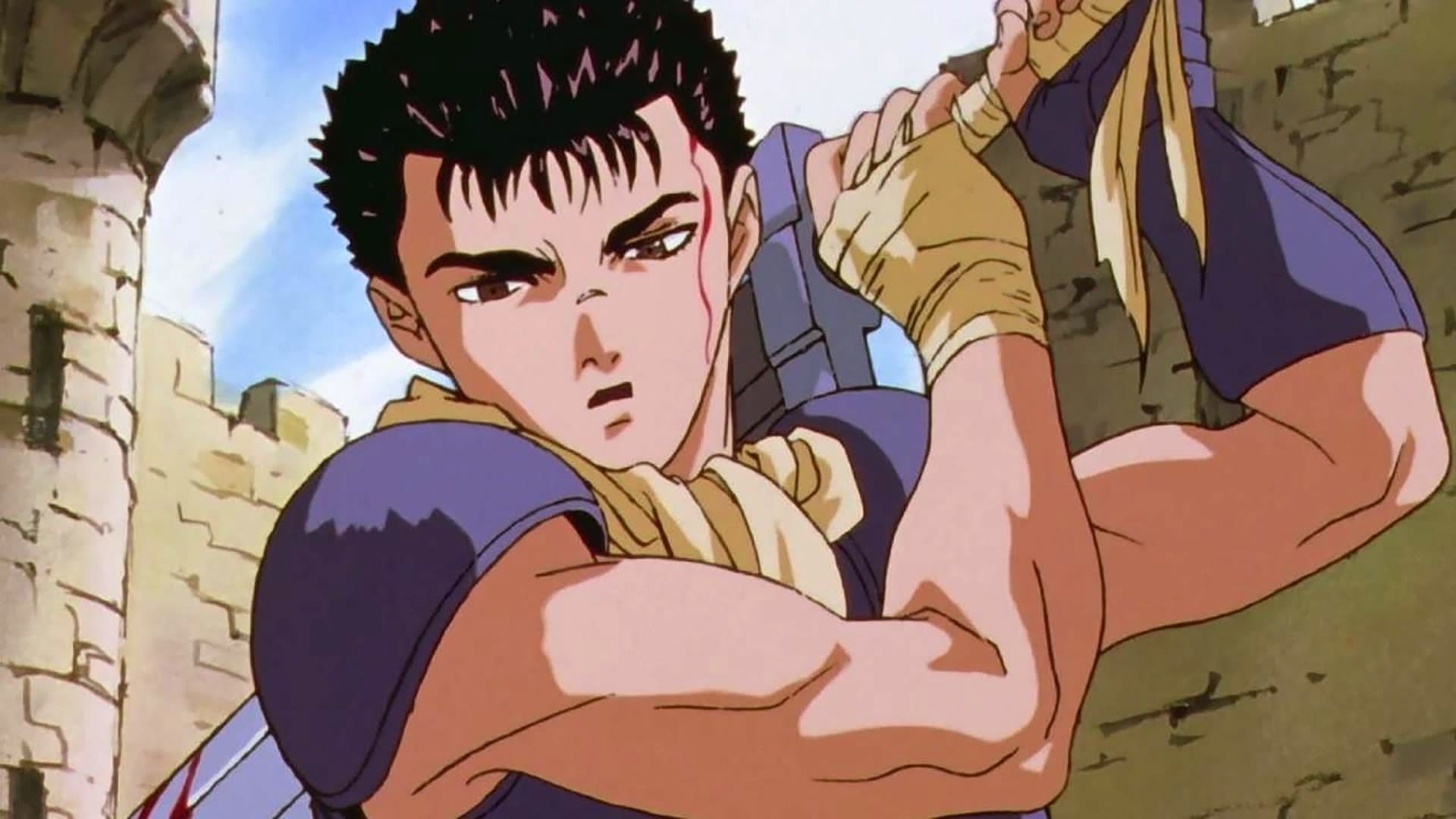
Guts from Berserk: Initially seen as an embodiment of strength and resilience, Guts’ journey is rife with brutality and vengeance. While beloved by fans for his tenacity, the relentless brutality and his quest for revenge could categorize him as a villain in a contemporary series, especially in narratives that emphasize the impacts of violence and trauma. A modern audience might find his methods and emotional outbursts off-putting, viewing them as signs of deep-seated rage rather than heroism.
-
Inuyasha from Inuyasha: Although he’s part-demon and fighting for his purpose, Inuyasha often wrestles with his identity and anger issues. This internal conflict could easily align him with villainous traits in a modern setting, where complex exploration of anti-heroes has become popular. Instead of a misunderstood protagonist, he may be interpreted as a tragic figure caught between worlds, struggling with darker impulses.
-
Vash the Stampede from Trigun: Vash was initially portrayed as a lovable goof with a pacifist mantra. However, as the series progresses, his violent encounters tend to overshadow his ideals. If reframed in a contemporary narrative, his capacity for violence and moments of ruthlessness could lend themselves to a villainous portrayal, particularly under circumstances that question his morality.
Ending or Latest Episode Explained
Based on available public metadata, there are no current episodes or endings to explain from a specific release context, as this article serves as an exploration of character traits rather than a narrative breakdown of any particular series. However, the overarching trend indicates that modern interpretations of these '90s heroes may lead audiences to reevaluate what makes a character heroic or villainous.
What Could Happen Next
As the trend of deconstructing traditional heroes continues, it could lead to newer adaptations of these classic characters where their flaws are brought to the forefront. Imagine a scenario where Spike's reckless decisions lead to dire consequences, forcing him into an adversarial position against a new, more lawful protagonist. Likewise, Guts could be recast as a cautionary tale of how vengeance corrupts the soul, with audiences empathizing with both his pain and the harm he inflicts.
Moreover, creators might harness this lens of villainy to craft nuanced narratives that challenge audiences’ values and beliefs. These adaptations could explore themes around trauma, redemption, and the fine line between heroism and villainy, injecting fresh life into established classics while still honoring their original essence.
Why This Is Trending
The conversation around these '90s heroes becoming modern villains is gaining traction in part due to the cultural shift towards anti-heroes in both anime and broader media. Audiences are craving depth and complexity in characters, resulting in unprecedented discussions on platforms like social media and fan forums. This trend reflects a deepening understanding of mental health issues, moral ambiguity, and societal values, prompting fans to revisit classic characters through contemporary lenses. Furthermore, as older audiences who grew up with these shows now seek varied narratives, the push for retelling these tales with more depth is becoming increasingly prominent.
Final Thoughts
In conclusion, the exploration of how iconic '90s anime heroes might be viewed as villains in today’s storytelling is a testament to the shifting tides of character development and narrative complexity. As discussions around heroes and villains evolve, so too does our understanding of the characters who shaped anime history. For fans, this analysis serves as an opportunity to celebrate the multifaceted nature of storytelling, signifying that our beloved heroes may not always fit the molds we once assigned them. With this new perspective, beloved classics can continue to resonate in meaningful ways, urging creators and viewers alike to embrace the nuanced landscapes of character morality.