Are There Guns in Dune? The Mindblowing Reason Humanity Switched to Swords Makes Perfect Sense
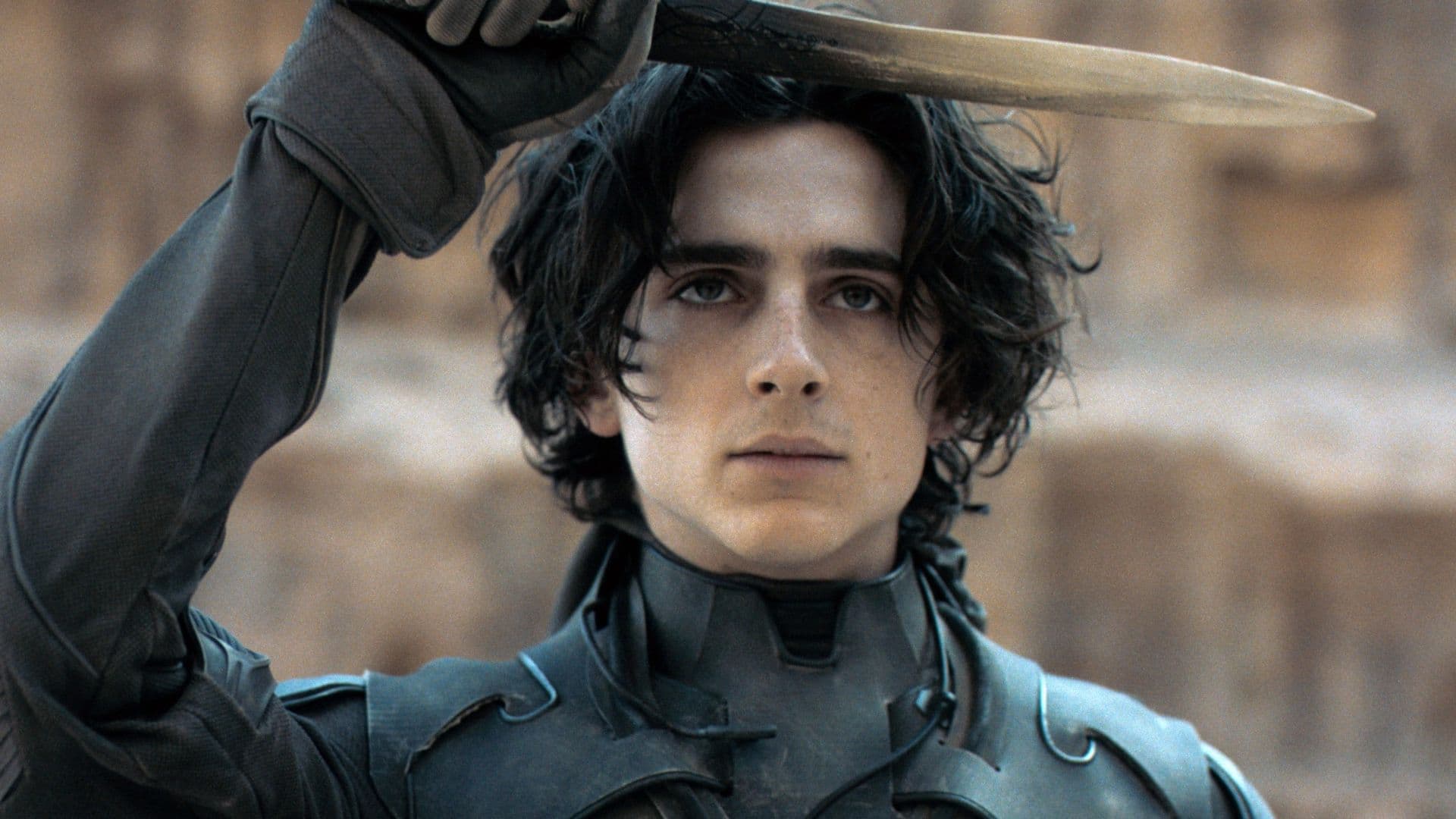
When delving into the intricate universe of Dune, fans quickly notice a striking absence of firearms. Instead, blades reign supreme in combat, leading to a fundamental question: why did humanity transition from guns to swords? The answer lies within the complex fabric of Dune's lore, offering insight not just into weaponry but also the philosophical underpinnings of human conflict.
Quick Summary
Dune's weaponry reflects a deeper social and technological shift within its universe. The decision to forgo traditional firearms stems from a unique development in personal shields and advanced technology. This pivotal change alters how characters engage in battle and navigates themes of power, control, and evolution in human warfare.
Story Setup
Set in a distant future where noble houses vie for control over the desert planet of Arrakis, or Dune, the narrative of Frank Herbert's epic saga presents a richly layered world. Factions such as House Atreides and House Harkonnen are embroiled in political intrigue and power struggles, all while combating fierce sandworms and an unforgiving environment. The lack of guns comes into play as personal shields, introduced into the storyline, create a unique paradigm in warfare.
In the Dune universe, these shields can deflect fast-moving objects, including bullets, rendering traditional firearms ineffective. Consequently, this technological development encourages a return to melee combat with swords and other close-range weapons. Thus, battles become not only about physical prowess but also strategic thinking and adaptability.
Main Characters
The absence of traditional firearms profoundly affects the key players in the Dune saga.
-
Paul Atreides: The central figure and heir to House Atreides, Paul’s journey from a young noble to a powerful leader is influenced by his training in swordsmanship. His mastery of the blade becomes a symbol of his growth and adaptation in a world where intellect and strength are equally vital.
-
Duncan Idaho: A loyal swordmaster and warrior serving House Atreides, Duncan embodies the skilled fighter whose prowess with a blade ensures he is a formidable force on the battlefield. His character represents the elite warriors trained to navigate the dangers of combat in a gunless world.
-
Lady Jessica: As Paul's mother, Lady Jessica wields her influence and knowledge of combat within the political framework of Dune. Her character combines intelligence with physical prowess, highlighting the evolution of women warriors in a predominantly male-dominated society.
-
Fremen: The native inhabitants of Arrakis, the Fremen have adapted to their harsh environment, using swords and other traditional weapons efficiently. Their culture, deeply intertwined with the ecology of the planet, showcases a blend of spirituality and strategical combat that offers a unique perspective on human conflict.
Ending or Latest Episode Explained
Based on available public metadata, the latest coverage of Dune brings an exciting reflection on the implications of eliminating firearms. While the narrative continues to unfold through various adaptations, the idea that combat relies on more intimate forms of warfare is a departure that invites intrigue and analysis. The focus on swords instead of guns reinforces the themes of personal honor and the philosophical explorations of power.
In the universe of Dune, the shift from guns to swords symbolizes a quest for authenticity in human connection and conflict resolution. As such, battles become not just contests of strength but also of wits and principles, creating rich and engaging storytelling.
What Could Happen Next
Looking ahead, there are numerous avenues for exploration in the Dune franchise. Given the significant impact of traditionally trained warriors and tactical engagements, future episodes and adaptations may delve deeper into the artistry of swordsmanship, combat strategies, and the evolution of technology and warfare.
Furthermore, as political unrest escalates among the factions, the subtext of betrayal and honor in sword fights could offer rich narratives. A potential focus on emerging characters and their journeys navigating this combat landscape might also become prominent, keeping audiences invested in the intertwining tales of personal and communal survival.
Additionally, the series may explore how this shift away from guns influences the societal structures in the Dune universe. How do beliefs surrounding warfare evolve when gunpowder and projectile weapons are no longer viable options? Who emerges as the new champions of combat, and how do their personal philosophies shape the socio-political landscape?
Why This Is Trending
As audiences around the globe wrap their heads around the Dune saga, discussions surrounding the absence of guns in this universe have become a focal point. The philosophical implications of this transition from firearms to swords have sparked debates about technology, warfare, and human evolution. This trend in discussions resonates with fans eager to understand the deeper meanings behind their favorite characters’ weapon choices and the environments they inhabit.
Moreover, with adaptations of Dune making waves in popular culture, the rise in interest is not merely about the visual spectacle but also the thought-provoking motifs woven throughout the narrative. Viewers and readers alike are drawn to the moral dilemmas and societal reflections that emerge in the absence of traditional weaponry.
Final Thoughts
The question of why humanity in the Dune universe abandoned guns in favor of swords opens a portal into a rich exploration of themes, character development, and socio-political commentary on warfare. As fans continue to dissect the layers of this epic tale, they are not only chartering a path through engaging narratives but also wrestling with profound questions about human nature and societal evolution. With future installments promised to bring new dimensions to these discussions, the journey into the heart of Dune's world is far from over.