5 Avatar: The Last Airbender Villains Who Were More Complex Than Expected
In the world of anime, especially within action genres, it’s common to encounter villains that are straightforward embodiments of evil. However, Avatar: The Last Airbender shatters that mold, introducing audiences to a rich tapestry of characters whose motives are intricate and whose backstories evoke empathy. Throughout its vibrant narrative, the series provides depth to its antagonists, demonstrating that evil is not merely a label but often a result of personal suffering and turmoil. In this article, we’ll examine five villains from Avatar: The Last Airbender who showcase unexpected complexities.
Quick Summary
Avatar: The Last Airbender is renowned for its character-driven storytelling. Unlike many action-centric anime, it excels in depicting multifaceted villains. This exploration sheds light on their motivations, highlighting that their actions often stem from profound personal histories. Here, we dive into the complexities of five standout villains, revealing their deeper narratives that left audiences discussing far beyond the show's conclusion.
Story Setup
Set in a world divided by elemental nations—Water, Earth, Fire, and Air—Avatar: The Last Airbender follows Aang, the last Airbender, on his quest to master all four elements to restore balance and peace. As Aang and his friends navigate through various challenges, they encounter nemeses whose stories challenge the conventional dichotomy of hero versus villain. These encounters often provide moral quandaries that resonate with viewers, making the series much more than a simple battle between good and evil.
Main Characters
-
Zuko: Perhaps the most iconic example of a complex villain, Prince Zuko begins his journey obsessively hunting the Avatar to regain his honor. As his arc unfolds, viewers witness his struggles with identity, familial loyalty, and redemption. Zuko’s evolution from an antagonist driven by anger to a key ally illustrates how personal struggles can lead to profound transformation.
-
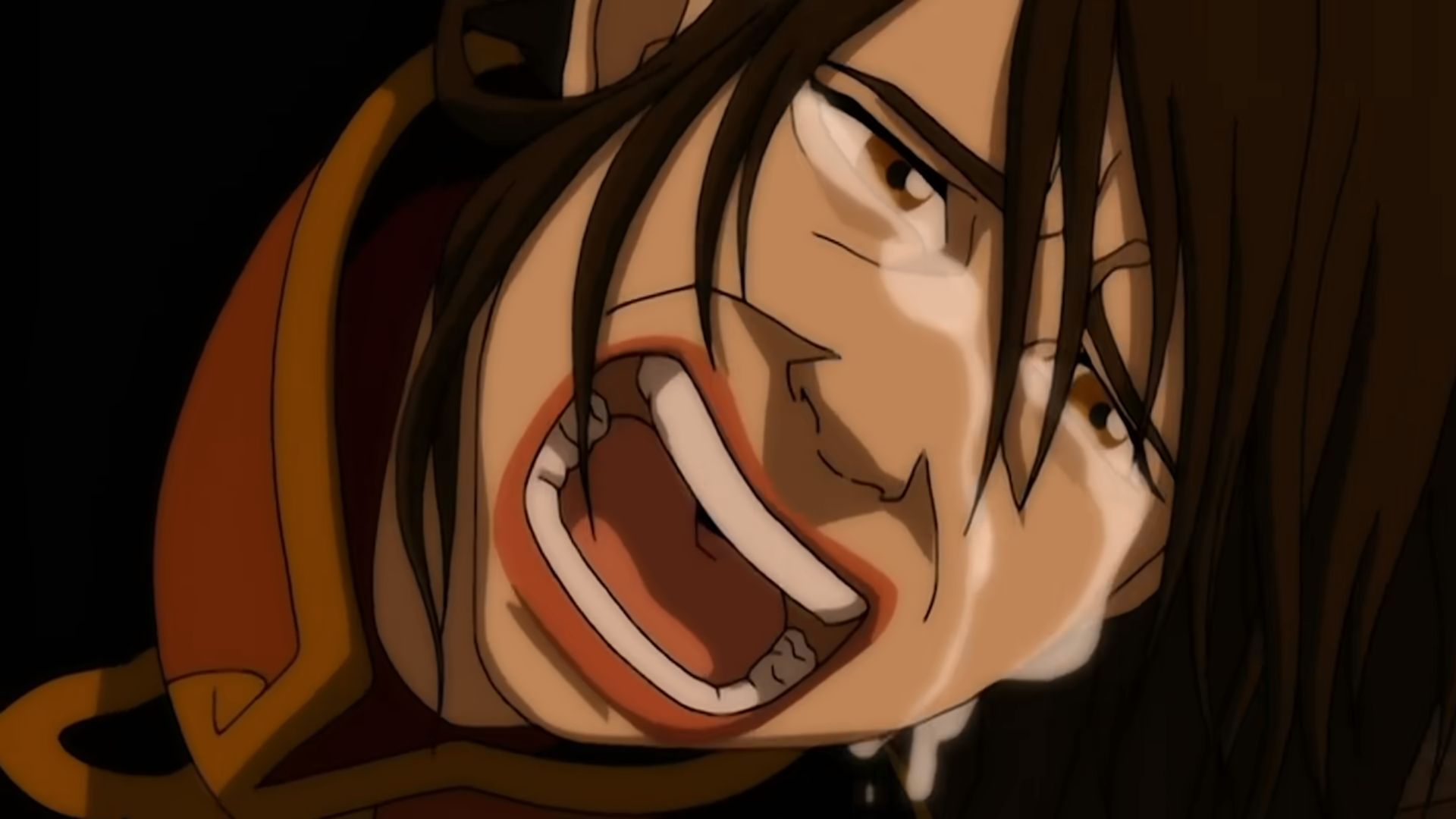
Azula: Zuko's sister, Azula, is another fascinating character. Initially portrayed as a ruthless and cunning strategist, she embodies the standards imposed by her father, Fire Lord Ozai. As the series progresses, her facade of control begins to fracture, leading to a dramatic exploration of the psychological effects of power and isolation.
-
Ozai: The Fire Lord himself, while often seen as the embodiment of tyranny and ambition, reveals layers of insecurity and fear of inadequacy. His portrayal compels viewers to consider the environmental influences that shape a tyrant’s ambitions, providing context to his relentless pursuit of power.
-
Iroh: Although Iroh is primarily seen as an ally to Zuko, his past as a general in the Fire Nation presents morally ambiguous choices. His wisdom, derived from both personal loss and hardship, offers a contrasting viewpoint that challenges the villains' mindsets, showing that every action has consequences.
-
Yue: While not a traditional villain, Yue's story reflects the tragedy of choices made under duress. As the princess of the Northern Water Tribe, her transformation into the Moon Spirit illustrates themes of sacrifice and the weight of duty, impacting her relationship dynamics even in death.
Ending or Latest Episode Explained
Based on the available public metadata, the series concludes with an epic showdown that reconciles many of the complex dynamics established throughout the story. Aang’s realization of the value of mercy towards his enemies, coupled with Zuko’s journey of redemption, emphasizes the show’s overarching theme: the potential for change exists within everyone, regardless of their past actions. The resolution of these character arcs satisfies viewers who invested emotionally in these nuanced relationships.
What Could Happen Next
As discussions about Avatar: The Last Airbender continue, speculation around potential spin-offs or reboot adaptations abounds. With the deep well of character backstories ripe for exploration, fans have expressed interest in seeing more content centered around characters like Azula or even a deeper dive into Iroh’s past. Exploring their pasts could forge new narratives that resonate with contemporary themes of mental health, belonging, and redemption, further solidifying the franchise's relevance.
Why This Is Trending
The recent article titled “5 Avatar: The Last Airbender Villains Who Were More Complex Than Expected” has reignited conversations about the series’ unique storytelling approach. Fans are particularly interested in how the complexity of its villains contrasts with other anime currently dominating the genre. The ongoing interest is a testament to how Avatar resonated with viewers on a deeper emotional level, with its ability to humanize villains, pushing boundaries on what it means to truly understand one another.
Final Thoughts
Avatar: The Last Airbender exemplifies how thoughtful writing can elevate a narrative beyond mere entertainment, turning it into a profound commentary on human nature. The series' ability to depict villains with depth and complexity offers audiences a richer experience, prompting them to reflect on their understandings of morality and redemption. As discussions around these characters continue to thrive, it’s clear that the legacy of Avatar remains profoundly influential in the anime landscape. If you're drawn to stories with emotional depth and well-crafted characters, look no further than this classic series, which continues to captivate and inspire.