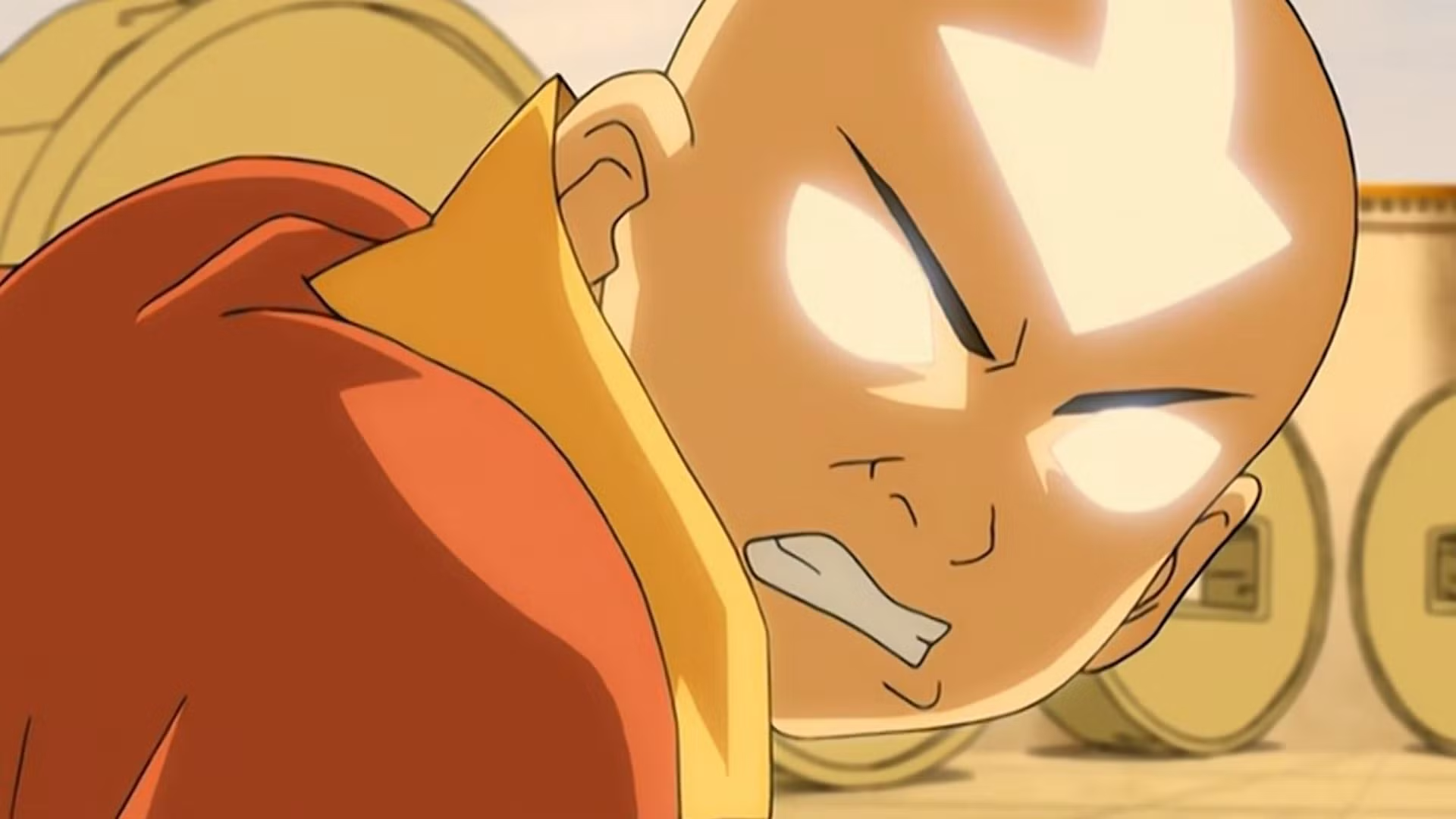
5 Avatar: The Last Airbender Moments That Were Shockingly Dark for a Kids’ Show
When you think of classic animated series that shaped a generation, Avatar: The Last Airbender often springs to mind. While it’s celebrated for its rich storytelling, character development, and gorgeous animation, many fans are revisiting the show and noticing just how dark some moments truly were. Here are five instances that left viewers both shocked and contemplative, proving that this beloved series tackled heavy themes that resonate even with adult audiences.
1. The Fire Nation’s Genocide
One of the most haunting narratives woven throughout the series is the genocide of the Air Nomads. The loss of Aang’s entire culture, friends, and family is a stark reminder of the brutal realities of war and oppression. The show does not shy away from the emotional fallout of this event, showcasing Aang's struggle with survivor's guilt and his quest to restore balance to a world marred by violence. This moment serves as a heart-wrenching backdrop that shapes Aang’s character arc and the series' overarching themes of forgiveness and redemption.
2. Zuko’s Identity Crisis
Zuko’s journey is deeply rooted in themes of redemption and self-discovery, but it’s also marked by darkness. The conflict between his desire for his father's approval and his innate sense of morality leads him to struggle with intense feelings of inadequacy and shame. His inner turmoil culminates in a series of violent confrontations that leave viewers questioning the costs of loyalty and the pain of familial expectations. Zuko’s character development illustrates the struggle to break free from toxic legacies, making his journey relatable and profoundly impactful.
3. The Cult of the Avatar
The darker side of the worship surrounding the Avatar is revealed during Aang’s journey, particularly through characters like the Painted Lady and the existence of cult-like groups. These followers often have skewed perceptions of the Avatar’s role, leading to dangerous and misguided actions. This theme challenges the notion of blind faith and the consequences of idolization, prompting viewers to reflect on the nature of belief and its implications in society.
4. The Siege of the North
The two-part finale of Book One, Water, showcases the brutal reality of war as the Fire Nation launches a siege on the Northern Water Tribe. The imagery and violence are striking, particularly with the introduction of the Ocean and Moon Spirits' tragic fate. The show does not shy away from depicting the chaos and destruction of the attack, emphasizing the stakes at hand. This episode serves as a catalyst for Aang’s transformation and the awakening of his Avatar powers, highlighting the urgency of his mission and the weight of his responsibilities.
5. The Final Agni Kai
In the series finale, the long-anticipated Agni Kai between Zuko and Azula is not just a battle for the throne; it’s a culmination of years of emotional and psychological conflict. The intense showdown is packed with tension, betrayal, and the haunting realization of what it means to be driven by a need for power and control. Azula’s breakdown during the fight offers a chilling insight into the consequences of her ruthless upbringing, showcasing the tragic results of parental pressure and isolation. The stakes are high, and the emotional depth of this moment leaves fans grappling with its implications long after the credits roll.
Conclusion
Avatar: The Last Airbender transcends the typical confines of a children's show by addressing complex themes that resonate deeply with audiences of all ages. The moments explored here reveal the darker undercurrents of the narrative, prompting viewers to engage in conversations about loss, identity, and the moral dilemmas faced in a world fraught with conflict. As fans continue to discuss these pivotal scenes, it’s clear that the show’s legacy endures, reminding us that even in animated form, stories can carry profound weight and meaning.
Whether you’re a longtime fan revisiting the series or a newcomer discovering Avatar for the first time, these dark moments serve as crucial touchstones that enrich the viewing experience, making it a classic that remains relevant today.