test
asdasd
Explore the top anime villains whose writing has redefined villainy in storytelling and captivated audiences worldwide.
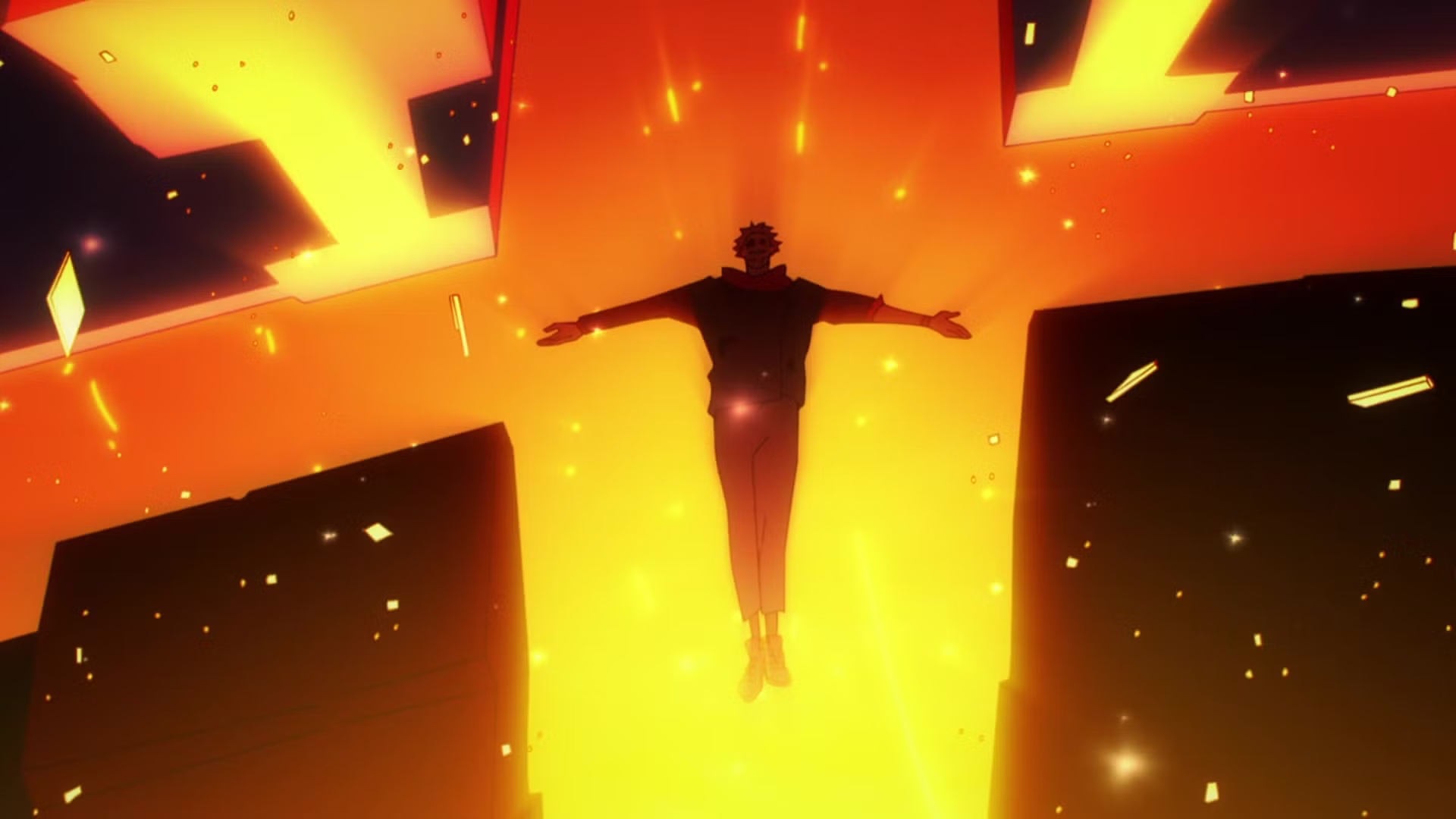
Villains in anime aren't just embodiments of evil; they serve as critical narrative devices that elevate the plot and challenge protagonists. Some villains are so well-crafted that they leave a lasting impression on the audience, becoming benchmarks against which others are measured. In this article, we explore ten of the best-written anime villains that have set the gold standard in storytelling.
Light Yagami is a prime example of a villain who embodies complexity. As a high school student who discovers a notebook that allows him to kill anyone whose name he writes in it, Light's descent into madness is both captivating and tragic. His moral dilemmas and rationalizations for his actions make him a character that viewers can both admire and abhor.
Griffith stands out as one of the most charismatic yet morally ambiguous characters in anime history. His ambition and desire for power lead him down a dark path, resulting in harrowing consequences for those around him. The depth of his character and the philosophical questions he raises about ambition and sacrifice resonate deeply with the audience.
Madara Uchiha is not just a powerful antagonist; he is a symbol of the consequences of war and hatred. His vision for a world free of conflict is twisted by his methods, making him a fascinating character to analyze. Madara’s backstory and motivations offer a rich narrative that challenges the heroes of the series and keeps viewers invested.
Johan Liebert is a chilling villain whose psychological manipulation and lack of empathy make him a terrifying figure. His ability to influence others and create chaos without lifting a finger makes him a masterclass in villainy. The philosophical exploration of good and evil through Johan's character creates an unsettling but thought-provoking experience for viewers.
Zeke Yeager's character arc is a profound exploration of loyalty, betrayal, and freedom. His complex motivations challenge the notions of right and wrong within the series. As a figure caught between two worlds, Zeke's actions provoke questions about the nature of his goals and the impact of his choices on both Eldians and Marleyans.
Donquixote Doflamingo is a villain who embodies flamboyance and menace. His backstory, intertwined with themes of oppression and revenge, enriches his character. Doflamingo’s unique abilities and his tragic past create a multi-dimensional villain that leaves a significant impact on the Straw Hat Pirates and the One Piece world.
Orochimaru is a classic representation of the mad scientist archetype. His quest for immortality and knowledge drives him to commit heinous acts, making him a standout antagonist. His complex relationship with his former students adds layers to his character, showcasing how obsession can warp one's humanity.
Vicious serves as a stark contrast to the series’ protagonists. His cold demeanor and ruthless ambition create a formidable opposing force for Spike Spiegel. The tragic backstory and his relationship with the main characters provide a rich narrative that enhances the overall story of Cowboy Bebop.
Kyubey is an antagonist that challenges traditional notions of villainy. This seemingly cute creature’s actions raise ethical questions about the nature of wishes and sacrifice. The chilling twist of his true intentions creates a haunting impact, ensuring that viewers will never look at magical girl stories the same way again.
Lelouch is a complex character who blurs the lines between hero and villain. His revolutionary actions, driven by a desire for justice, often lead to devastating consequences. The internal conflicts he faces and the moral ambiguity of his choices make him one of the most memorable characters in anime, leaving audiences questioning their own perceptions of good and evil.
These ten villains have not only shaped their respective stories but have also influenced the genre of anime as a whole. Their intricate motivations, moral dilemmas, and emotional depth set a high bar for character writing and serve as prime examples of how effective villainy can drive a narrative forward. As fans continue to engage in discussions about these characters, it's clear that well-written villains will always resonate with audiences, sparking debates about morality, justice, and the human experience.
Entertainment news
EpisodeBreakdown may use automated tools to assist research, drafting, and formatting. Published pages are governed by our editorial and corrections policies, and source links are shown when they are available in the article record.
Discovery source: ScreenRant. The source identifies where the topic was discovered; EpisodeBreakdown is responsible for the commentary published on this page.
Reader response
Reactions and poll results are based on real reader responses. No account is required.