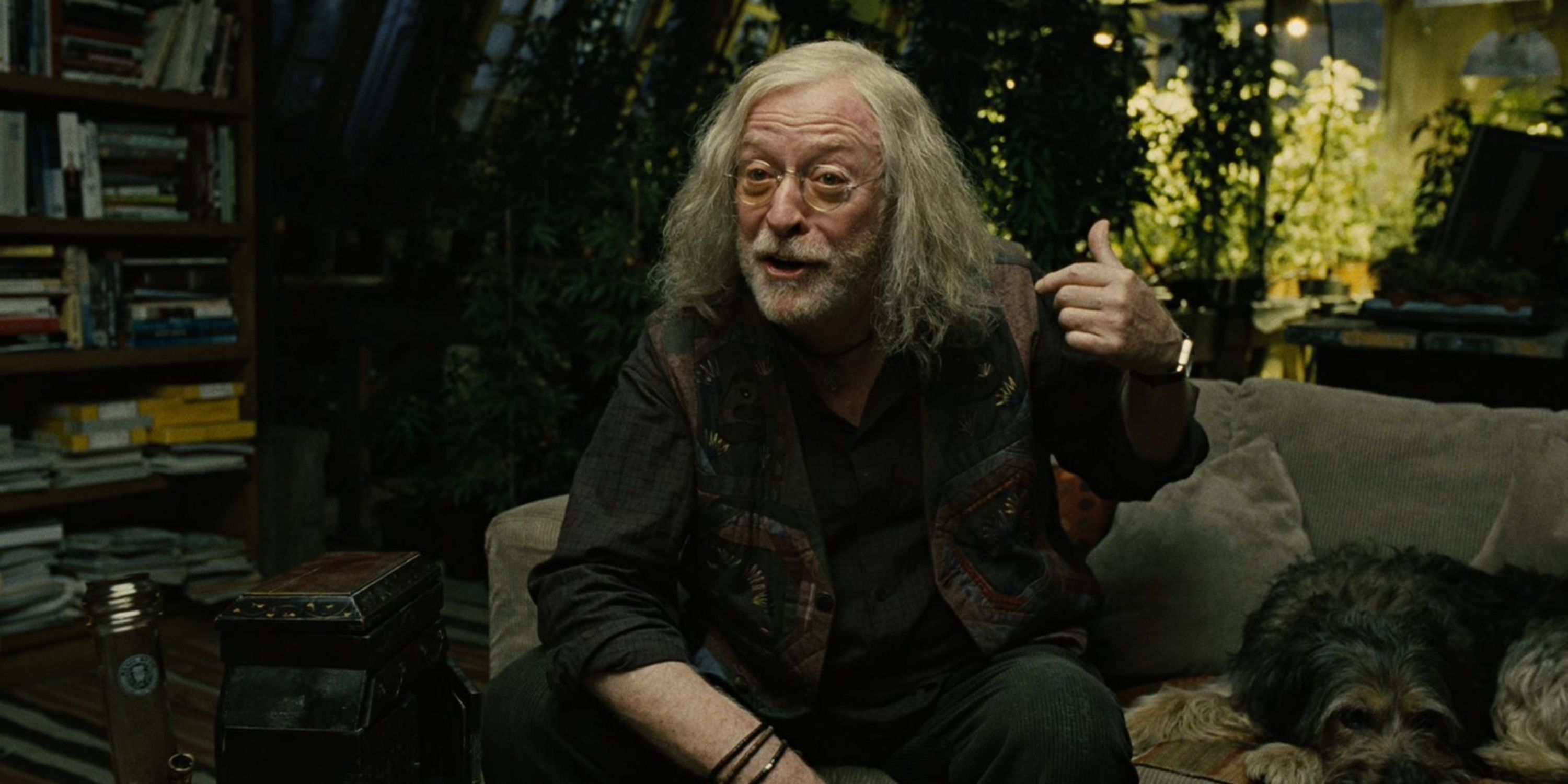
Children of Men Has The Most Important Quote in Sci-Fi History
In the realm of science fiction, certain films possess the ability to resonate far beyond their narratives, acting as cultural commentaries on the times in which they were made. Alfonso Cuarón's 'Children of Men,' released in 2006, stands as a definitive example of this phenomenon. The film is backed by an eight-word tagline that, while seemingly simple, holds profound implications and serves as a mirror reflecting the political and social mood of our current era. In this breakdown, we will delve into the significance of this quote, its context in the movie, and why it continues to be relevant today.
Quick Summary
'Children of Men' is set in a dystopian future where humanity faces impending extinction due to infertility. The story follows Theo Faron, a disillusioned bureaucrat, who becomes embroiled in a mission to protect the only pregnant woman left on the planet. The movie is notable not only for its thrilling plot and stunning visuals but also for its deep exploration of themes such as hope, despair, and the resilience of the human spirit. The eight-word tagline provides a bittersweet backdrop for these themes, allowing audiences to reflect on societal challenges that mirror their realities.
Story Setup
The premise of 'Children of Men' unfolds in a world ravaged by despair and hopelessness, where society has crumbled due to mass infertility. The year is 2027, and the film begins in London, which has become an oppressive place filled with chaos and desperation. As people turn to violence and self-preservation, the very notion of hope has almost vanished. In this bleak environment, the protagonist, Theo Faron, played brilliantly by Clive Owen, is initially a man resigned to his fate—a life devoid of purpose.
His transformation begins when he is contacted by his ex-wife, Julian (played by Julianne Moore), who is now involved in a revolutionary group fighting for the rights of refugees and the oppressed. Julian reveals that a young woman named Kee holds a significant secret: she is pregnant, the first pregnancy in nearly 20 years. This revelation sets the story into motion, propelling Theo into a perilous journey filled with unexpected twists and dangerous encounters.
Main Characters
- Theo Faron (Clive Owen): The weary protagonist struggling to find meaning in a bleak world.
- Kee (Clare-Hope Ashitey): The young woman who unexpectedly represents hope for humanity.
- Julian (Julianne Moore): Theo’s ex-wife, who embodies rebellion against the oppressive regime.
- Luke (Chiwetel Ejiofor): Julian’s right-hand man, who plays a critical role in the struggle for Kee's safety.
These primary characters navigate a societal landscape riddled with challenges, where their actions reflect broader messages about humanity's capacity for hope and change.
Ending or Latest Episode Explained
As 'Children of Men' progresses, it builds toward a dramatic climax that hinges on the larger themes of hope and humanity. In the film's final act, Theo and Kee’s journey to safety escalates as they face numerous obstacles, including violent factions vying for control amidst the chaos. The culmination of their journey lays the groundwork for the film’s most important quote. This key moment encapsulates both despair and a flicker of hope, demonstrating that even in the darkest times, perseverance is vital.
While the film does not provide easy resolutions or a neatly wrapped ending, the last scenes leave viewers contemplating the future of humanity—an aspect that resonates deeply with audiences in today's world, marked by political strife and existential fears.
What Could Happen Next
With the ongoing impact of 'Children of Men,' many fans speculate about potential sequels or discussions surrounding its themes. Given the landscape of modern challenges regarding climate change, socio-political tensions, and global health crises, a revisit to this dystopian world could offer fresh commentary. Additionally, the film's message could be expanded upon in a series format, diving deeper into the aftermath of Kee's pregnancy and the survival of humanity in the years that follow. The possibilities are endless, reflecting ongoing societal concerns that resonate with viewers today.
Why This Is Trending
Currently, discussions around 'Children of Men' are heightened, particularly due to its poignant quote becoming a rallying cry in various movements advocating for social justice and change. The eight-word tagline encapsulates fears and hopes that many people feel today, distilling complex human experiences into a simple yet powerful sentiment. Its relevance transcends cinema, making it a touchstone for those grappling with issues of identity, resilience, and the fight for a better tomorrow.
Moreover, Alfonso Cuarón's ability to weave intricate social commentary into compelling storytelling has sparked renewed interest in the film as a critical piece of cinematic art. As societal conditions evolve, so does the need to contextualize the messages of such films, underscoring their importance not just as entertainment, but as tools for reflection and action.
Final Thoughts
'Children of Men' remains an essential film in the science fiction genre due to its enduring message that is equally applicable to today's turbulent times. The profound quote, carefully woven throughout the narrative, offers viewers a lens through which to examine their own realities. In a world where despair often seems overwhelming, the film reminds us that hope, no matter how fragile, is worth striving for. As we continue to confront the complexities of our modern existence, 'Children of Men' challenges us to reflect on the power of perseverance and the human spirit.
In conclusion, whether you are revisiting Cuarón’s masterpiece or diving into it for the first time, its themes of hope and resilience remain as vital as ever, making it a significant entry in both film history and contemporary discourse.