If You Love Clint Eastwood's Spaghetti Westerns, Watch The 1954 Movie That Made Them Possible
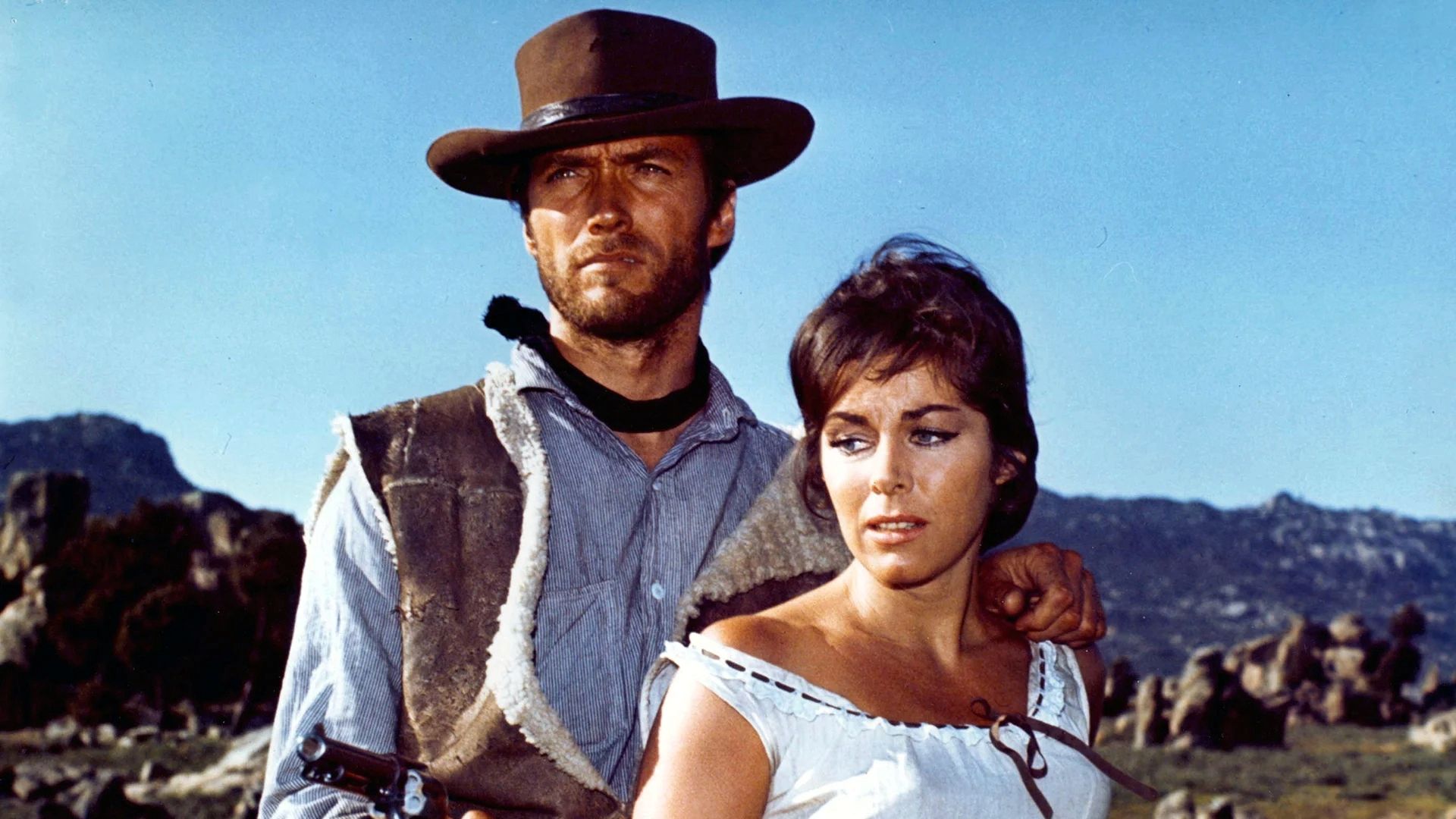
Clint Eastwood’s Spaghetti Westerns have earned a legendary status, forever altering the landscape of the Western genre. But few realize that a pivotal film from 1954 played a significant role in shaping these iconic movies. The film, titled "Vera Cruz," laid the groundwork for many stylistic and narrative choices that would be seen in Eastwood’s works. Currently streaming on Prime Video, this classic deserves a closer look to understand its impact on film history.
Quick Summary
Released in 1954, "Vera Cruz" is a Western film directed by Robert Aldrich. The movie features a rich tapestry of themes, intricate character dynamics, and moral ambiguity, all delivered with striking cinematography. Many of the traits seen in Eastwood's Spaghetti Westerns, such as anti-heroes, complex plotlines, and a gritty atmosphere, can trace their roots back to "Vera Cruz." This film is often overshadowed but is crucial for film enthusiasts wanting to explore the evolution of the Western genre.
Story Setup
Set post-Mexican War, "Vera Cruz" follows two bounty hunters, played by Gary Cooper and Burt Lancaster. Their journey begins as they navigate the treacherous landscape of Mexico in pursuit of a lucrative contract to safeguard a group of nobles. However, what starts as a straightforward mission quickly spirals into a web of double-crosses, unexpected alliances, and moral dilemmas. The setting itself serves as an additional character, showcasing the rugged beauty and harsh realities of the environment, enhancing the emotional weight of the story.
What makes the story profound is its exploration of loyalty and betrayal. Cooper and Lancaster's characters exemplify the frustration of the American dream—where fortune is often pursued at the cost of human decency. The film employs a darker lens when it comes to human nature, paving the way for the more anti-heroic representations seen in Eastwood's films.
Main Characters
At the heart of "Vera Cruz" are its complex characters, who serve both as the moral compass and the narrative's tension points:
- Ben Trane (Gary Cooper): A war-weary bounty hunter drawn into a morally ambiguous quest. Trane uses charm and cunning to navigate through treachery, showcasing his vulnerability as well as his grit.
- Joe Erin (Burt Lancaster): A ruthless yet charismatic counterpart to Trane. Erin embodies the darker side of ambition and greed, making him an unforgettable anti-hero in the film.
- The Countess (Sara Montiel): She plays a pivotal role as a femme fatale, adding layers of intrigue and complicating the hunters' mission with her own motives and desires.
The interplay between these characters is rife with conflict, as shifting allegiances and battle for supremacy culminate in explosive confrontations that captivate the audience.
Ending or Latest Episode Explained
The ending of "Vera Cruz" leaves audiences with a mix of resolution and ambiguity, echoing the often unresolved moral questions much like those in Eastwood's films. Without giving away spoilers, it is safe to say that the conclusion forces the protagonists (and the viewers) to reflect on the cost of ambition and whether the end justifies the means. This moral quandary sets the stage for the philosophical dilemmas prevalent in Spaghetti Westerns, often leaving characters haunted by their choices long after the credits roll.
What Could Happen Next
Given the film's critical acclaim and historical significance, discussions around a potential remake or a deeper exploration into its themes have emerged among fans and critics alike. A modern adaptation could delve even deeper into the current socio-political landscape, paralleling the quests for morality and human connection amid chaos and greed. Alternatively, a documentary exploring its legacy and influence on subsequent Westerns could provide new insights into how films like "Vera Cruz" helped shape iconic characters and narratives that resonate today.
Why This Is Trending
The resurgence of interest in classic Westerns coinciding with Clint Eastwood's recent projects has sparked renewed debate over the origins and influences of the genre. As streaming platforms continue to revive classic films like "Vera Cruz," viewers are eager to understand the lineage of storytelling that has shaped contemporary cinema. Understanding the roots of Spaghetti Westerns allows audiences to appreciate not just the films themselves, but also the unique artistry of filmmakers like Eastwood, who reinvented the genre for modern tastes.
Additionally, as cultural conversations around anti-heroes and moral ambiguity in media evolve, "Vera Cruz" stands as a perfect case study for these enduring themes. Its exploration of human nature and the darker sides of ambition speaks volumes in today’s context, making it not just relevant but also essential viewing.
Final Thoughts
If you’re a fan of Clint Eastwood’s iconic Spaghetti Westerns, watching "Vera Cruz" provides an invaluable lens into the origins of the genre. It’s a film that showcases not only riveting performances but also a rich narrative filled with moral complexities and stunning cinematography. By examining this 1954 classic, viewers can gain a deeper appreciation for how past films have influenced contemporary storytelling. As you stream it on Prime Video, prepare for a cinematic experience that captivates and challenges your perceptions of the Western genre.