test
asdasd
Dive deep into the thrilling world of Death Note, exploring its characters, story arcs, and the unforgettable ending that left fans eager for more.
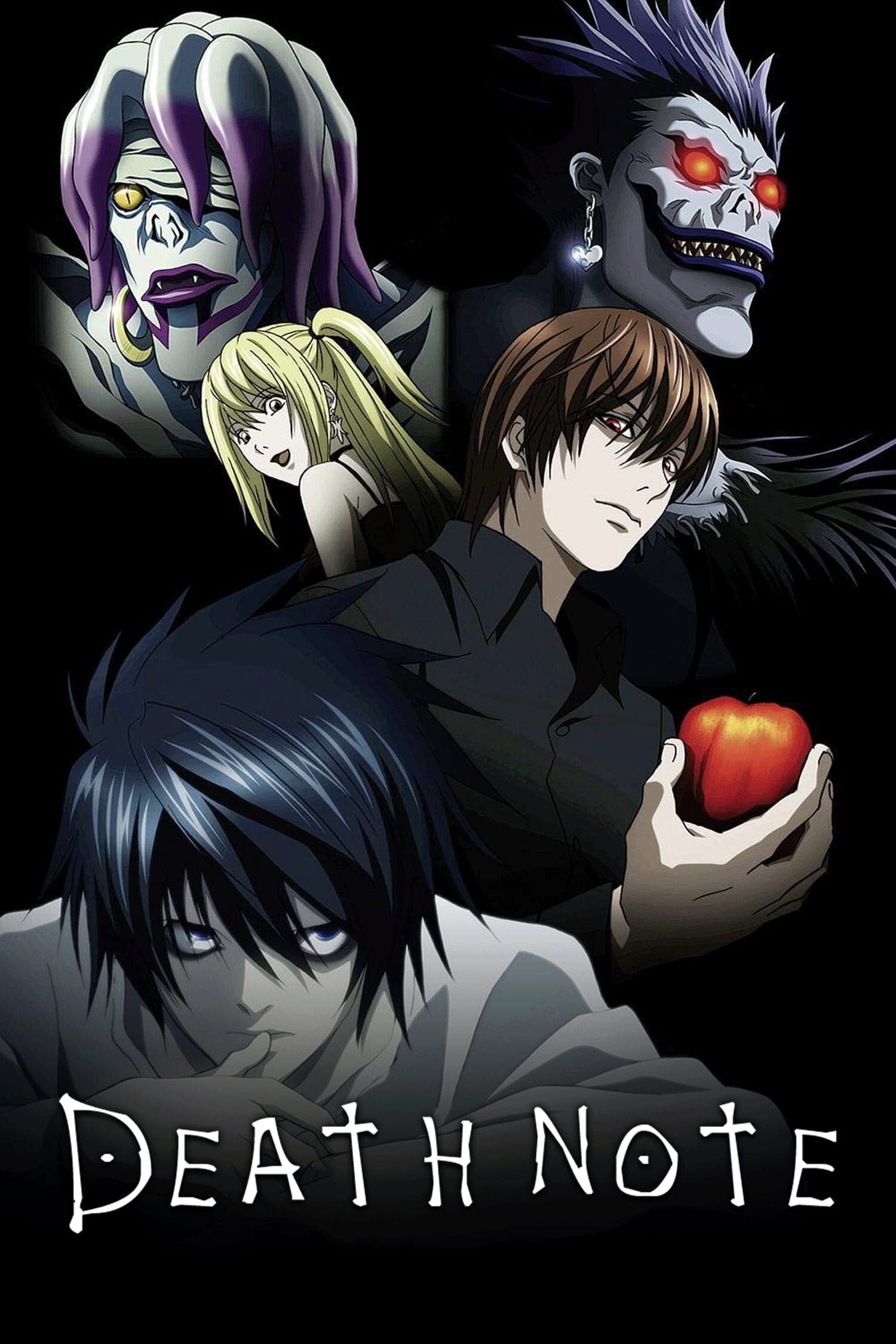
Death Note is a mesmerizing anime series adapted from the renowned manga of the same name. The series first premiered in Japan on October 3, 2006, and concluded on June 26, 2007. With its gripping storyline and complex characters, it quickly became a standout in the anime world, garnering a rating of 8.8. At its core, the series challenges moralities and delves into the psyche of its protagonists and antagonists alike.
Death Note revolves around a high school student named Light Yagami who discovers a mysterious notebook belonging to a Shinigami (death god) named Ryuk. The notebook grants Light the power to kill anyone by simply writing their name in it, provided he knows their face. Light, who is disillusioned by the world’s crime and corruption, decides to take justice into his own hands. However, his actions attract the attention of a genius detective known only as L, sparking a psychological cat-and-mouse game that keeps viewers on the edge of their seats.
The world of Death Note is dark, reflecting the psychological and moral dilemmas that arise from its central premise. As Light begins to utilize the Death Note, his motivation stems from an idealistic desire to eliminate wrongdoers and create a utopia devoid of crime. However, this quest inevitably leads him down a dark path, blurring the lines between justice and tyranny. The introduction of L adds an intense dynamic, as he is not only incredibly intelligent but also relentless in his pursuit of Kira (Light’s alter ego). Their confrontations delve deep into themes of justice, power, and the fundamental nature of good versus evil.
With the story progressing through numerous twists and turns, the stakes escalate rapidly. Each episode unfolds layers of strategy and deception, as L tries to uncover Light’s identity and methods while Light aims to stay one step ahead. Death Note highlights not just Light's transformation into a morally ambiguous figure but also how other characters become entwined in this deadly chess game.
Light is the protagonist who starts as a brilliant yet disenchanted student. His discovery of the Death Note transforms him from a bored teenager into a charismatic leader of justice, who adopts the persona of Kira. His evolution is both captivating and unsettling as he justifies his murderous actions under the guise of a greater good.
As the Shinigami who drops the Death Note into the human world, Ryuk serves as both an observer and commentator on Light’s actions. He provides both comic relief and a chilling reminder of the consequences that come with wielding such power.
The enigmatic detective is one of the most intriguing characters in the series. His intellect and unconventional methods set him apart from typical law enforcement figures. L's obsession with capturing Kira drives much of the plot and the tension between him and Light.
A pop idol and devoted Kira supporter, Misa adds another layer of complexity to the story. Her infatuation with Light and her own use of the Death Note create yet another conflict, challenging Light’s ultimate goals and methods.
Although introduced later in the series, these characters represent the future of the investigation into Kira, continuing L's legacy. Their differing methodologies add depth to the unfolding narrative and showcase the continuing impact of Light's actions.
As the series progresses, the battle of wits reaches dizzying heights, culminating in an ending that leaves audiences divided yet reflective. Light's arrogance and overconfidence lead to his downfall as he becomes ensnared in a web of deceit. In a shocking finale, his identity is revealed, and the true extent of his transformation is laid bare.
In the end, the final confrontation underscores the ultimate consequences of Light’s actions. The Death Note, a symbol of his power and ambition, becomes the very instrument of his demise, as the series poses profound questions about morality, authority, and the true meaning of justice.
Though Death Note concluded its airing in 2007, the lingering questions and evocative themes pave the way for discussions about potential spin-offs or reimagined retellings. Fans often speculate about the legacy of Kira and the moral ambiguities that Death Note introduced. There are also ongoing debates about the implications of absolute power and whether another character might wield the Death Note in a different timeline, rekindling the age-old conflict between justice and morality.
Moreover, as new generations discover the series, reboots or adaptations could explore untapped narratives revolving around the concepts of power, justice, and the philosophical questions raised by the original storyline.
Death Note continues to resonate with audiences worldwide, making it a coveted topic in online discussions and fan art. Elements such as thrilling plots, complex character dynamics, and deep philosophical questions keep it relevant long after its original airing. Each character’s moral compass invites viewers to engage in debates about right and wrong, good and evil, making it a thought-provoking staple in anime history.
The series has also inspired numerous adaptations, merchandise, and discussions about the implications of its themes in contemporary society, such as vigilante justice and the consequences of power. As fans continue to analyze and dissect the narrative, Death Note maintains its position as a timeless classic worthy of discussion.
Death Note is not merely an anime; it’s a complex exploration of justice, power, and morality. With unforgettable characters, a thrilling narrative, and deeply philosophical undertones, it has earned its place as one of the most influential series in the anime genre. While the series concluded many years ago, its impact continues to shape narratives in storytelling and resonate with new generations of viewers. Whether you are a long-time fan or a first-time viewer, series like Death Note remind us of the delicacy surrounding issues of justice and the human condition.
Story breakdown
EpisodeBreakdown may use automated tools to assist research, drafting, and formatting. Published pages are governed by our editorial and corrections policies, and source links are shown when they are available in the article record.
Discovery source: TVMaze. The source identifies where the topic was discovered; EpisodeBreakdown is responsible for the commentary published on this page.
Reader response
Reactions and poll results are based on real reader responses. No account is required.