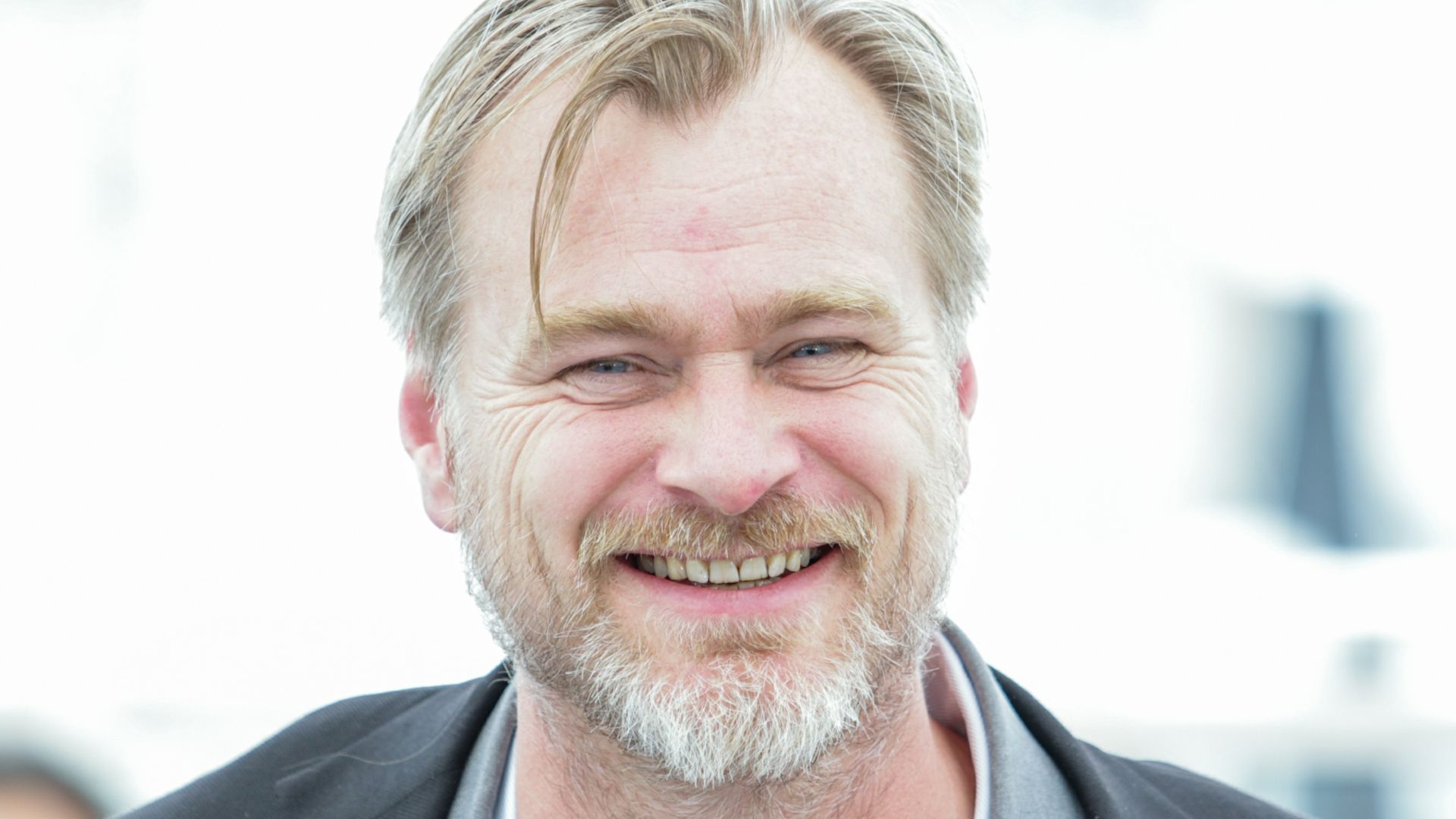
In a controversial move, billionaire entrepreneur Elon Musk announced his ambition to develop an AI-generated feature-length film of Homer’s The Odyssey by year’s end. This announcement has sparked significant debate and public discourse, particularly after Musk’s recent criticisms of Christopher Nolan’s cinematic adaptations. Notably, filmmaker Scott Derrickson, known for directing Marvel's Doctor Strange, openly criticized Musk’s project, claiming he lacks the understanding necessary to pursue such an ambitious endeavor.
Quick Summary
Musk's AI tool, Grok, aims to take on a classic text, but it faces skepticism from industry veterans. Derrickson's sharp criticisms highlight a rift between technological ambition and cinematic artistry.
Story Setup or Current Context
The backdrop of this story involves Musk's ongoing engagement with artificial intelligence, which he has referred to as a potential transformative tool. Recently, he posted a three-minute AI-generated scene allegedly inspired by The Odyssey. This has not only generated speculation around the viability of AI-generated films but also criticism concerning the depth and nuance required to adapt such a revered text.
Musk's venture follows a series of pointed comments aimed at established filmmakers, particularly his critiques of Nolan's upcoming projects. This conflict between traditional filmmaking and the ambitious, tech-driven direction Musk suggests raises questions about the future of cinematic storytelling.
Main Characters or Key People
- Elon Musk: The billionaire entrepreneur behind several high-profile technology ventures. His plans for AI are ambitious, aiming to leverage Grok to produce traditional storytelling.
- Scott Derrickson: The acclaimed director of Doctor Strange, who has become a vocal opponent of Musk’s AI ambitions, labeling them as naive and uninformed.
Ending, Latest Episode, or Announcement Explained
At present, no finalized project exists; the details surrounding Musk's vision are primarily based on promises and outlines rather than completed work. Derrickson’s public dismissal serves to underline the complexities of blending art with technology, especially in adapting classic literature. The AI-generated scene Musk shared has not been widely received as convincing, raising further questions about the project's potential.
What Could Happen Next
As Musk continues to push the envelope of technology in entertainment, the outcome of this endeavor remains uncertain. The reaction from Derrickson and others signifies possible resistance from traditional filmmakers, which may influence Musk’s approach. Future developments could include more detailed project announcements, collaborations with seasoned screenwriters, or a reconsideration of AI's role in creative storytelling.
Why This Is Trending
This clash between two influential figures in very different fields—technology and film—has captured public attention. It encapsulates broader societal conversations regarding AI's place in creative industries and raises fundamental questions about the essence of storytelling. The tension exemplified in this debate between Musk's ambitions and Derrickson's critiques represents not just a personal disagreement but a pivotal moment in understanding how technology interacts with artistic expression.
Final Thoughts
The intersection of technology and storytelling is fraught with challenges and opportunities. Musk's ambitious plans to create an AI-generated The Odyssey may provoke deeper reflections on creativity, interpretation, and the human touch in storytelling. As the discussion continues, it will be interesting to see how this narrative evolves and how it may shape conversations around the future of film.
Frequently Asked Questions
Q: Will Elon Musk's AI film actually be made?
A: Currently, there is no confirmed production timeline or detailed plans beyond Musk’s public statements. The project remains speculative at this stage.
Q: What are the concerns surrounding AI in filmmaking?
A: Critics often argue that AI lacks the depth of human emotion and creativity needed to effectively interpret and adapt complex narratives, such as classical literature.
Q: How has Scott Derrickson responded to Musk's plans?
A: Derrickson has publicly criticized Musk, suggesting he does not grasp the challenges involved in adapting significant literary works through AI.