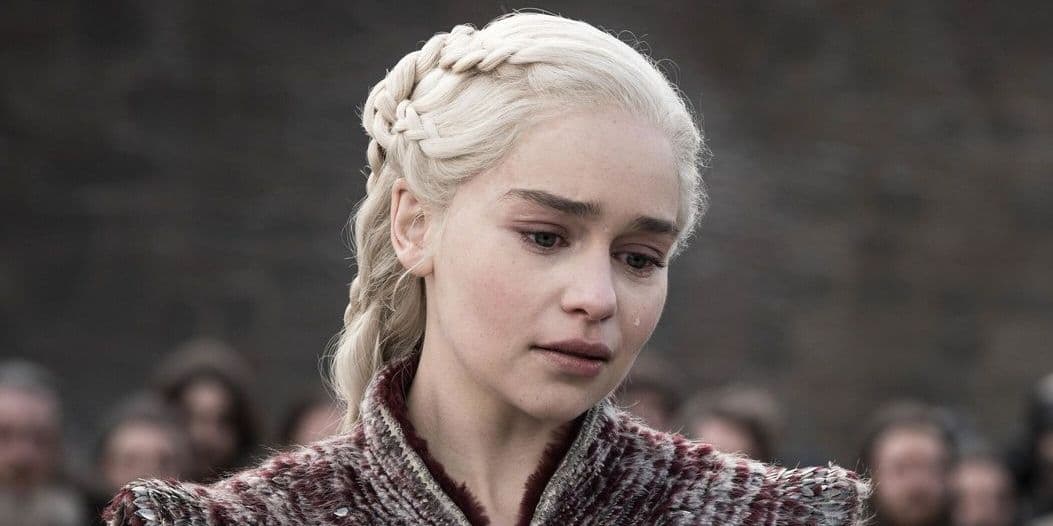
Emilia Clarke Clarifies Games of Thrones Salaries: 'We Didn't Earn That Much'
In a recent statement, Emilia Clarke, known for her iconic role as Daenerys Targaryen in the legendary series Game of Thrones, has addressed various misconceptions surrounding the salaries of cast members. Despite the show's immense popularity and critical acclaim, Clarke insists that the leading actors did not earn as much as many fans think. This revelation has sparked discussions on social media and among fans about earnings in the entertainment industry, especially for long-running series that have garnered massive viewership.
Quick Summary
Clarke's comments aim to shed light on the financial realities behind Game of Thrones, dispelling rumors of exorbitant salaries. With a focus on fairness and transparency, she highlights how perceptions can often misrepresent the situation. The conversation around cast compensation also opens up important discussions about the dynamics of pay in the acting profession, particularly in blockbuster series.
Story Setup
Game of Thrones, based on George R.R. Martin's A Song of Ice and Fire novels, premiered in 2011 and quickly ascended to become a cultural phenomenon. Set in the fictional lands of Westeros and Essos, the series follows various noble families as they vie for control of the Iron Throne amidst political intrigues, betrayals, and battles. The combination of a sprawling storyline and a deep roster of characters helped the show maintain a dedicated fan base throughout its eight-season run, ultimately concluding in 2019.
The series' allure goes beyond its complex characters and unexpected plot twists; it also grasps the power dynamics at play within the fictional realm of Westeros, drawing parallel lines to real-world power struggles, including those experienced by its cast and crew. Despite its success, Clarke's comments suggest that the financial realities for actors, even in hit series, might not align with audience perceptions.
Main Characters
Game of Thrones brought together an ensemble cast that included numerous prominent names, each depicting characters that contributed to its epic narrative. Clarke's Daenerys Targaryen, a central figure, evolves from an exiled princess to a powerful ruler. Other key characters include:
- Jon Snow (Kit Harington): The noble leader of the Night's Watch, not aware of his heritage. His journey parallels Clarke's character through themes of leadership and sacrifice.
- Tyrion Lannister (Peter Dinklage): A witty, intelligent figure often underestimated because of his stature. His cleverness makes him an integral player in the game of thrones.
- Cersei Lannister (Lena Headey): A fierce, manipulative matriarch who stops at nothing to protect her power and family. Cersei's character arc comments on ambition and the lengths to which one might go to achieve power.
- Sansa Stark (Sophie Turner): A character that transforms remarkably throughout the series, evolving from a naïve girl into a strong political player in her own right.
This diverse cast, each embodying multi-dimensional characters, played a crucial role in the series' international acclaim, significantly contributing to its long-lasting impact within the television landscape.
Ending or Latest Episode Explained
Throughout its eight seasons, Game of Thrones culminated in a series finale that divided opinions among fans and critics alike. The show witnessed numerous territorial conflicts, power shifts, and character deaths that kept viewers on the edge of their seats. Clarke's character, Daenerys, ultimately faced significant challenges in her quest for power, which led to controversies surrounding her choices during the last season. Her ascent and subsequent actions raised questions about the moral intricacies of leadership and tyranny.
Clarke’s comments regarding actress and actor earnings, especially at the conclusion of such a flagship series, reflect a realization that fame does not always equate to financial reward. While their on-screen personas may have seemed to live opulent lives, the reality for the cast behind the scenes may have been starkly different. This contrast is significant in the entertainment industry, where perceived value can sometimes overshadow actual earnings.
What Could Happen Next
With Game of Thrones now concluded and the world of Westeros still generating immense interest, speculation about possible spin-offs and prequels continues. Currently, HBO is developing multiple projects set in the same universe, including the much-anticipated House of the Dragon, which focuses on the Targaryen lineage. This resurgence of interest may prompt renewed discussions regarding compensation for actors involved in new adaptations.
As Emilia Clarke's clarification resonates within the industry, it raises questions about how production companies should engage with their talent regarding pay. As we witness the landscape of television evolving, fans will likely pay more attention to issues of equity and fairness in the industry, shaping future narrative arcs both on and off the screen.
Why This Is Trending
Clarke’s illuminating remarks have sparked widespread conversations, not only about earnings but also about the expectations placed upon actors in high-stakes productions. Given the prevailing societal issues surrounding fair pay across various professions, her comments struck a chord with audiences, encouraging greater scrutiny and discourse on the intersection of fame and compensation in Hollywood.
Additionally, as the audience delves deeper into Game of Thrones lore with upcoming projects, Clarke's insights serve as a timely reminder of the human story behind the production of such a beloved series. The broader implications link to ongoing discussions concerning transparency and equity in the entertainment industry, making her statements relevant in today’s context.
Final Thoughts
Emilia Clarke's comments are a refreshing reminder that the realities of the entertainment industry are often more complex than they appear. As we navigate the ever-evolving landscape of television, understanding the nuances behind the glamour can lead to more informed discourse. Her insights serve not only to clarify misconceptions but also to highlight the continuing evolution of actor compensation and industry standards. With multiple Game of Thrones projects on the horizon, the necessity for fair representation and earnings becomes even more significant.
While fans eagerly anticipate new tales from Westeros, Clarke's brave attempt to demystify the earnings within the show challenges both audiences and the industry to rethink their perceptions. The story behind Game of Thrones will likely always have residual effects beyond its screen time, shaping conversations for years to come.