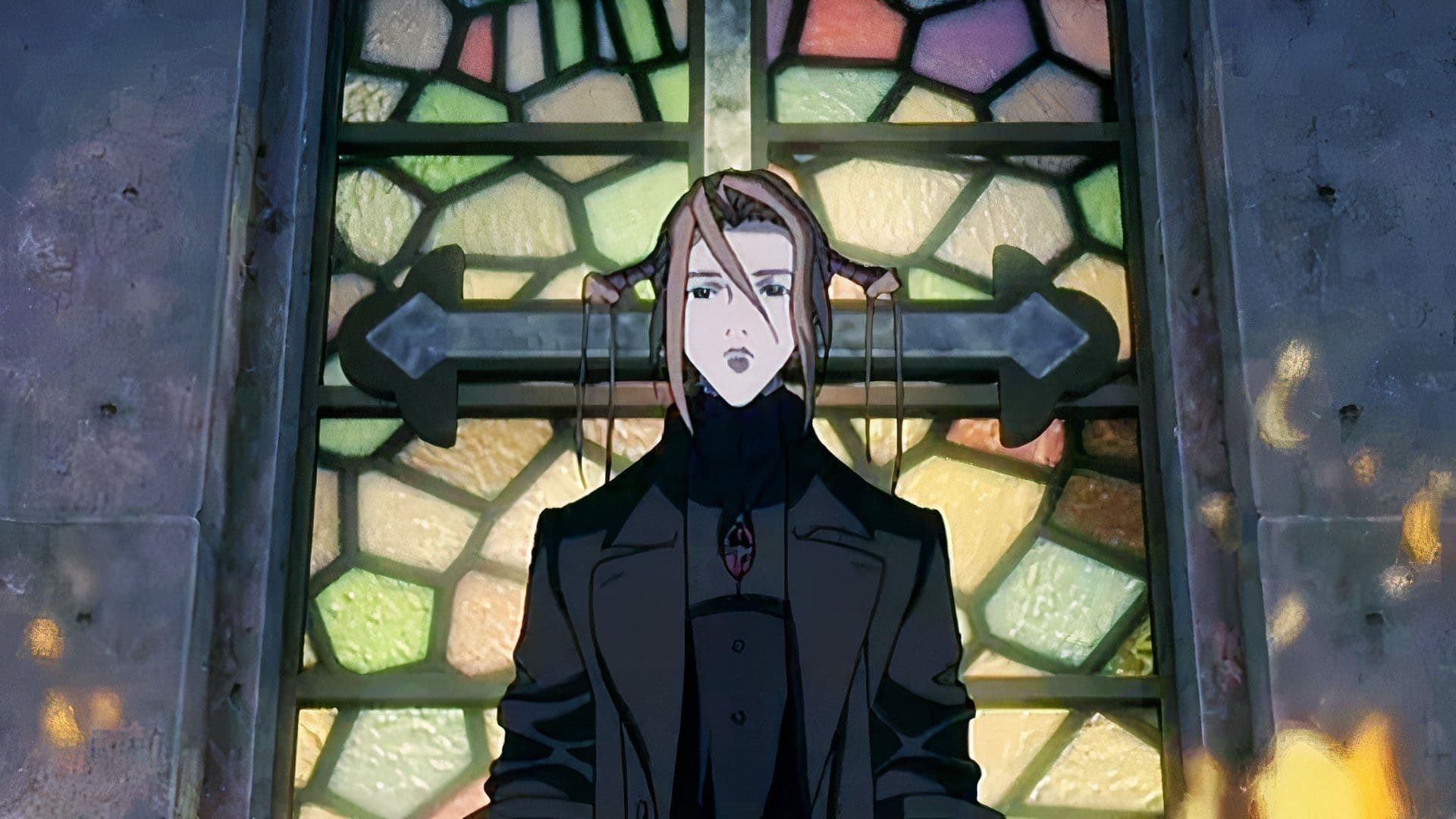
7 Forgotten 2000s Anime With Better Worldbuilding Than Most Isekai
The anime landscape is ever-changing, but one thing consistently remains relevant: worldbuilding. A rich, detailed universe can elevate a series beyond standard tropes, drawing in viewers with immersive environments and intricate societies. While modern isekai anime often captures attention, many forgotten gems from the 2000s showcase superior worldbuilding. Here, we explore seven such series, illuminating their contributions and why they should not be overlooked in today's anime discourse.
Quick Summary
This article introduces seven lesser-known anime series from the 2000s renowned for their exceptional worldbuilding, arguing that they frequently excel beyond many contemporary isekai productions. Each series is dissected for its narrative depth, character development, and overall impact on the genre.
Story Setup
In the 2000s, anime evolved into a diverse medium featuring genres that catered to a wide array of viewers. Amidst the rise of popular franchises, several series emphasized intricate settings and elaborate lore. These shows embedded viewers in fully realized universes, making even the most mundane interactions feel significant and weighty.
-
The Twelve Kingdoms (Juuni Kokuki): This series immerses viewers in a fantasy world divided into various kingdoms, each with its own culture and history. The protagonist, Yoko Nakajima, must navigate political intrigue and personal growth as she strives to find her place in this richly constructed universe.
-
Mushishi: Unlike typical adventure tales, Mushishi explores the mysterious interactions between humans and mushi—creatures that embody the essence of life and nature. Each episode unfolds like a vignette, creating a tapestry of rich ecology and philosophical themes around humanity’s place in the world.
-
Kino's Journey (Kino no Tabi): This thought-provoking series follows Kino, a traveler exploring different countries, each exhibiting unique customs, philosophies, and societal structures. Its episodic nature allows for profound explorations of moral dilemmas and human experiences,
-
Ghost in the Shell: Stand Alone Complex: Offering a cyberpunk backdrop, this anime delves into themes of technology, consciousness, and identity. The intricate narrative interweaves politics, philosophy, and social commentary, cementing its status as a classic for its ambitious worldbuilding.
-
Planetes: Set in the near future, Planetes follows space debris collectors, exploring the potential of humanity’s expansion into space. It effectively tackles issues of environmental sustainability, corporate interests, and human ambition in a meticulously designed world.
-
Last Exile: This steampunk tale features aerial battles and a world filled with airships. It masterfully blends technology and fantasy, creating a realm rich with history and adventure, prompting viewers to speculate on the evolution of civilization.
-
The Cat Returns (Neko no Ongaeshi): A whimsical fantasy focusing on a young girl who helps a cat and is subsequently drawn into the feline kingdom. Beyond the charming premise, the film showcases a well-developed cat society, offering interesting insights into animal behavior and anthropomorphism.
Each of these series engages viewers not just through plot but via a grand sense of the environments, struggles, and cultures present within their worlds.
Main Characters
The protagonists of these series often serve as conduits to explore the nuances of their respective worlds:
- Yoko Nakajima from The Twelve Kingdoms exhibits growth from an indecisive teenager into a leader, embodying resilience amidst chaos.
- Kino conveys curiosity and philosophical depth, facing various moral questions through her encounters with diverse societies.
- Mushi characters in Mushishi, while less central, provide insight into humanity's relationship with nature and the unknown, making them pivotal to the story's thematic depth.
The supporting cast also enhances worldbuilding, offering perspective on the varied societal norms and conflicts that enrich the narrative experience.
Ending or Latest Episode Explained
Given that these titles span various formats and episodes, specific plot endings may differ per series. However, each series concludes with significant resolution or insights into its key dilemmas:
- Kino's Journey often ends with a philosophical cliffhanger, encouraging viewers to ponder the implications of Kino's journeys.
- The Twelve Kingdoms features a climactic struggle between personal identity and responsibility, resonating long after the final episode.
In general, each series leaves audiences with lingering questions about society, humanity, and the choices we make—all outcomes worth reflecting upon.
What Could Happen Next
Given the resurgence of interest in retro anime properties, there is room for revival or adaptation of these classic series. Discussion within the community suggests:
- Remastering older series with updated animation techniques could entice a new generation of fans.
- Potential sequels or spin-offs could expand on the rich lore established in originals, delving deeper into characters' lives and their worlds.
Furthermore, with isekai’s continued popularity, perhaps those studios will draw inspiration from these forgotten series, adopting their worldbuilding complexities to create new narratives in familiar genres.
Why This Is Trending
Fans are rekindling discussions around worldbuilding, especially in light of the evolving anime industry. With isekai shows sometimes criticized for lack of depth, anime enthusiasts are returning to these forgotten gems as valuable counterexamples.
Conversations across social media platforms highlight their exploration of themes often overlooked in contemporary anime, urging a re-evaluation of the past. The recent media coverage, including articles like this one, reinforces the relevance of these series, showcasing how they still resonate within the current cultural landscape.
Final Thoughts
The anime of the 2000s introduced rich and complex worlds that still captivate audiences today. As we celebrate these seven forgotten series, it’s essential to recognize the importance of worldbuilding in storytelling. Their narratives not only provide entertainment but also provoke thought and discussion about society, morality, and the human condition. Revisiting these classics can offer fresh perspectives and potentially reinvigorate our appreciation for the anime medium itself.