Gollum's Most Chilling Lord of the Rings Line Is Darker Than Fans Realized
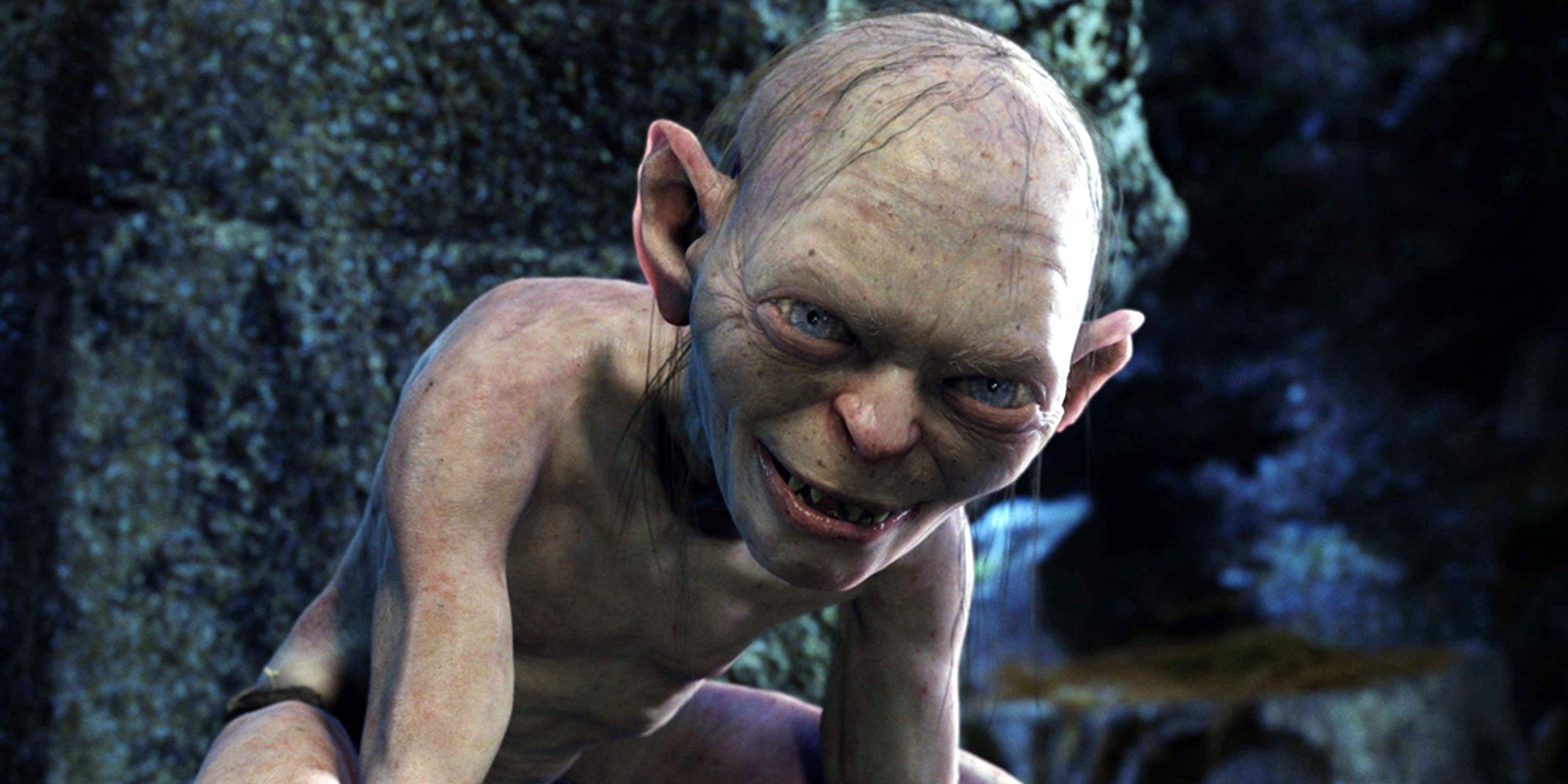
In the expansive universe of J.R.R. Tolkien's Middle-earth, few characters are as haunting and complex as Gollum. While he has become iconic, thanks in part to Peter Jackson's adaptation of The Lord of the Rings, one chilling line from the extended edition of The Return of the King offers a disturbing glimpse into Gollum's psychic torment and the darker themes at play. This article delves into that line, offering insights on the story, its significance, and how it resonates with fans old and new.
Quick Summary
The examination of Gollum’s two-word quote from The Return of the King reveals unsettling truths about his identity as Sméagol, his transformation under the influence of the One Ring, and the themes of duality and madness that run throughout the series. This chilling moment emphasizes not only Gollum's personal struggles but also reflects broader themes of corruption and loss.
Story Setup
The Lord of the Rings movie trilogy, based on J.R.R. Tolkien's renowned books, follows the epic quest to destroy the One Ring, an artifact that has the power to corrupt the heart of anyone who possesses it. Gollum, originally known as Sméagol, becomes one of the Ring's earliest victims, transformed over centuries into a shadow of his former self, obsessed with the Ring and wrestling with his fractured identity. His life is marked by tragedy, loss, and a relentless quest for the obsession that defines him.
The extended edition of The Return of the King offers audiences a deeper dive into his complex psyche. The pivotal line in question, comprised of just two words, acts as a powerful callback to the character's original self, hinting at the lingering remnants of the man he once was. As this line unfolds in the narrative, viewers are confronted with the ramifications of Gollum's despair and the pervasive influence of the Ring.
Main Characters
Several key figures in The Lord of the Rings interact with Gollum and help illustrate his chilling transformation:
-
Gollum/Sméagol: A tragic figure, Gollum embodies the consequences of his betrayal and obsession with the One Ring. His struggle between his two identities, Gollum and Sméagol, creates a compelling, if heart-wrenching, portrait of madness.
-
Frodo Baggins: As the primary Ring-bearer, Frodo represents hope and the potential for resistance against corruption. His relationship with Gollum adds complex layers to the narrative, as he empathizes with Sméagol even while grappling with the Ring's influence.
-
Samwise Gamgee: Frodo's loyal companion serves as a pragmatic contrast to Gollum's chaotic nature. Sam's mistrust of Gollum adds tension to the narrative, showcasing the struggle between loyalty and self-preservation.
-
Sauron: As the source of the Ring's malevolent power, Sauron represents the ultimate evil in Tolkien's universe, influencing characters like Gollum and pulling them into darkness.
Ending or Latest Episode Explained
As the story reaches its climax, Gollum's struggle and his chilling line serve as a haunting reminder of what he has lost. His two-word quote encapsulates the essence of his journey; it reflects both a yearning for who he once was and the inescapable fate that has consumed him. This moment resonates with audiences, hauntingly encapsulating the sorrow of lost identity and the grip of addiction.
In the context of the film's finale, Gollum's fate serves as a grim metaphor: the Ring's pull is omnipresent, and those who succumb to its allure often lose everything—including themselves. His storyline becomes a cautionary tale about the dangers of possession and obsession, leaving a lasting impact on Frodo and the other characters.
What Could Happen Next
While The Lord of the Rings trilogy has been concluded for years, Gollum's chilling line and his complex character open avenues for further exploration. Future adaptations or supplementary materials could delve into Sméagol's backstory, examining the character before he was overtaken by the Ring's power. This could reveal more about the themes of identity, corruption, and redemption. Moreover, given the recent interest in expanding the Tolkien universe, it's not unreasonable to consider the potential for spin-offs that explore the darker edges of Middle-earth, allowing Gollum's tragic narrative to continue echoing through the ages.
Why This Is Trending
The recent chatter around Gollum's chilling line is a testament to the enduring impact of Tolkien's work and the depth of Peter Jackson's film adaptations. Fans and new viewers have rekindled their interest as they revisit the trilogy, leading to discussions about character arcs and their moral implications. The resurgence of interest can also be attributed to the growing trend of revisiting classic adaptations in a modern context, where audiences seek deeper meaning in characters' journeys. The nuanced portrayal of Gollum as a tragic figure resonates especially in today’s climate, where themes of addiction and the battle for one's soul are ever-relevant.
Final Thoughts
The haunting moment encapsulated in Gollum's two-word quote drives home the darkness within The Lord of the Rings saga. As we explore Gollum’s internal struggle and its representation of broader themes like corruption, loss, and empathy, we are reminded of the complexities of character in storytelling. Whether you're a long-time fan or new to Middle-earth, Gollum's chilling line serves as a thought-provoking reflection on the duality of identity and the sometimes tragic fate of those who fall into darkness.
As discussions continue around this quote, it prompts fans to revisit the films with a renewed perspective, extracting meaning from even the smallest moments in this epic narrative. The lasting influence of The Lord of the Rings ensures that Gollum’s story will resonate for generations to come, reminding us all of the fragile line between light and darkness.