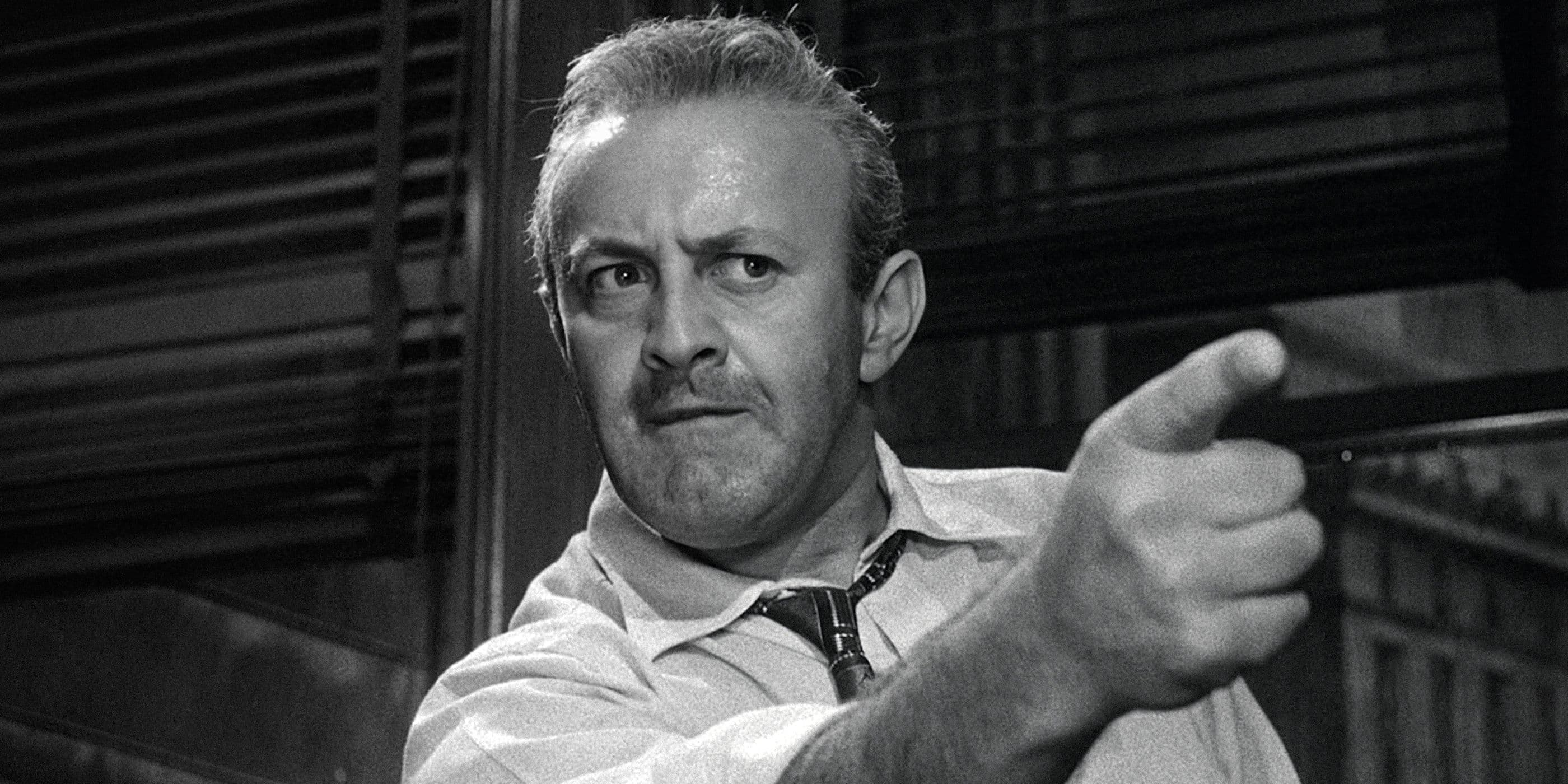
Nearly 70 Years Later, the Greatest Legal Thriller Ever Made Is Coming to Prime Video
Sidney Lumet’s masterpiece, 12 Angry Men, known as the greatest legal thriller ever made, is poised to make a grand entrance on Prime Video. This iconic film, which has captivated audiences for almost 70 years, will soon be available to stream, allowing both longtime fans and new viewers to dive into its compelling narrative and complex characters. As the release date approaches, let’s explore what makes this film a timeless classic, how it’s been received historically, and why it remains a critical subject for discussion.
Quick Summary
12 Angry Men revolves around a jury's deliberations in a homicide trial. The film captures the intense discussions among the jurors, reflecting their differing perspectives and prejudices as they weigh the fate of a young defendant accused of murder. Each juror's character is fleshed out through their interactions, revealing their personalities and moral values. With gripping tension and sharp dialogue, the film critiques the American justice system and the concept of reasonable doubt.
Story Setup
The film is set entirely in the jury room of a New York City courthouse, where 12 jurors are tasked with determining whether a teenage boy is guilty of murdering his father. The trial has seemingly clear evidence against the young defendant, but as the jurors convene, one dissenting voice, Juror 8, begins to challenge the assumptions made about the case. This sparks a series of debates highlighting issues of bias, social status, and moral responsibility.
Main Characters
- Juror 1 (Foreman): Played by Martin Balsam, he tries to keep the discussion orderly but struggles to maintain control amidst the rising tensions among jurors.
- Juror 2: A meek bank clerk portrayed by John Fiedler who initially goes along with the majority but gains confidence as the discussion unfolds.
- Juror 3: Perhaps the most powerful character, played by Lee J. Cobb, he is a bitter, opinionated man whose personal issues heavily influence his decision-making.
- Juror 4: A rational businessman, portrayed by E.G. Marshall, he initially supports a guilty verdict but is swayed by Juror 8's arguments.
- Juror 8: The protagonist, played by Henry Fonda, who stands alone in his reasonable doubt about the case and leads the debate throughout the film.
- Juror 9: An elderly man, portrayed by Ed Begley, who adds depth to the conversation by providing wisdom and insight from his own life experiences.
- Juror 10: A bigoted man played by Ed Begley who reveals his prejudices over the course of the deliberation.
- Juror 11: An immigrant who represents the values of justice, portrayed by Jack Klugman, he stands as a voice for fairness throughout.
- Juror 12: A suave advertising exec played by Robert Webber, who struggles to focus on the serious nature of the discussions due to his carefree demeanor.
Each character represents diverse backgrounds and philosophies, contributing to the intricate layers of the narrative and the overarching theme of justice versus prejudice.
Ending or Latest Episode Explained
At the film's climactic moment, each juror’s hidden biases against the defendant unfold. The debate reaches a boiling point, and it becomes evident that several jurors are influenced by their personal experiences rather than objective facts. Ultimately, the film ends with a stunned acquittal of the defendant, illuminating the persistence of reasonable doubt as a mental and moral obligation within the justice system.
This conclusion serves not only as a resolution for the trial but also as a commentary on the need for introspection in judgment and societal values. The exploration of personal biases and their implications on truth resonates powerfully, leaving viewers pondering the film's themes long after the credits roll.
What Could Happen Next
As 12 Angry Men is set to debut on Prime Video, it opens the door for further discussions about legal dramas and their relevance today. This unprecedented accessibility could inspire a new generation of filmmakers to explore similar themes of justice, morality, and human psychology. It also raises questions about how the principles depicted in the film can still be applied in modern-day legal proceedings and whether they reflect current societal challenges.
Engagement through streaming could lead to renewed interest in discussions about the effectiveness of the jury system and the critical examination of biases inherent in society. Perhaps this will propel educational initiatives or events highlighting the importance of these themes in contemporary discussions about justice and equality.
Why This Is Trending
The revival of 12 Angry Men on Prime Video serves not only as a nostalgic trip down memory lane for seasoned film buffs but also as an opportunity for younger audiences to experience a cinematic classic known for its timeless messages. The elements of legal thrillers resonate with ongoing conversations around justice reform and the public's role in the legal system.
Trending topics often revolve around how society continuously grapples with justice and fairness; hence, the streamlining of such a venerable piece will likely stimulate debate and discussions on social media platforms. Film schools and educators may leverage this release to encourage analysis of character development, framing, and narrative techniques, ensuring that 12 Angry Men remains a relevant subject in both cinema and legal education.
Final Thoughts
With its revered status in cinematic history, 12 Angry Men returning to the screen is more than just a nostalgic release; it's an opportunity for profound reflection on the nature of justice and the human condition. The film presents a microcosm of society's complexities, making it not only a gripping legal drama but also a pivotal commentary on moral responsibility.
As we await its release on Prime Video in June 2026, fans eagerly anticipate revisiting this classic and sharing it with new viewers. In a world that continues to evolve, 12 Angry Men remains a compelling exploration of truth, prejudice, and the value of dissenting opinions in the pursuit of justice.