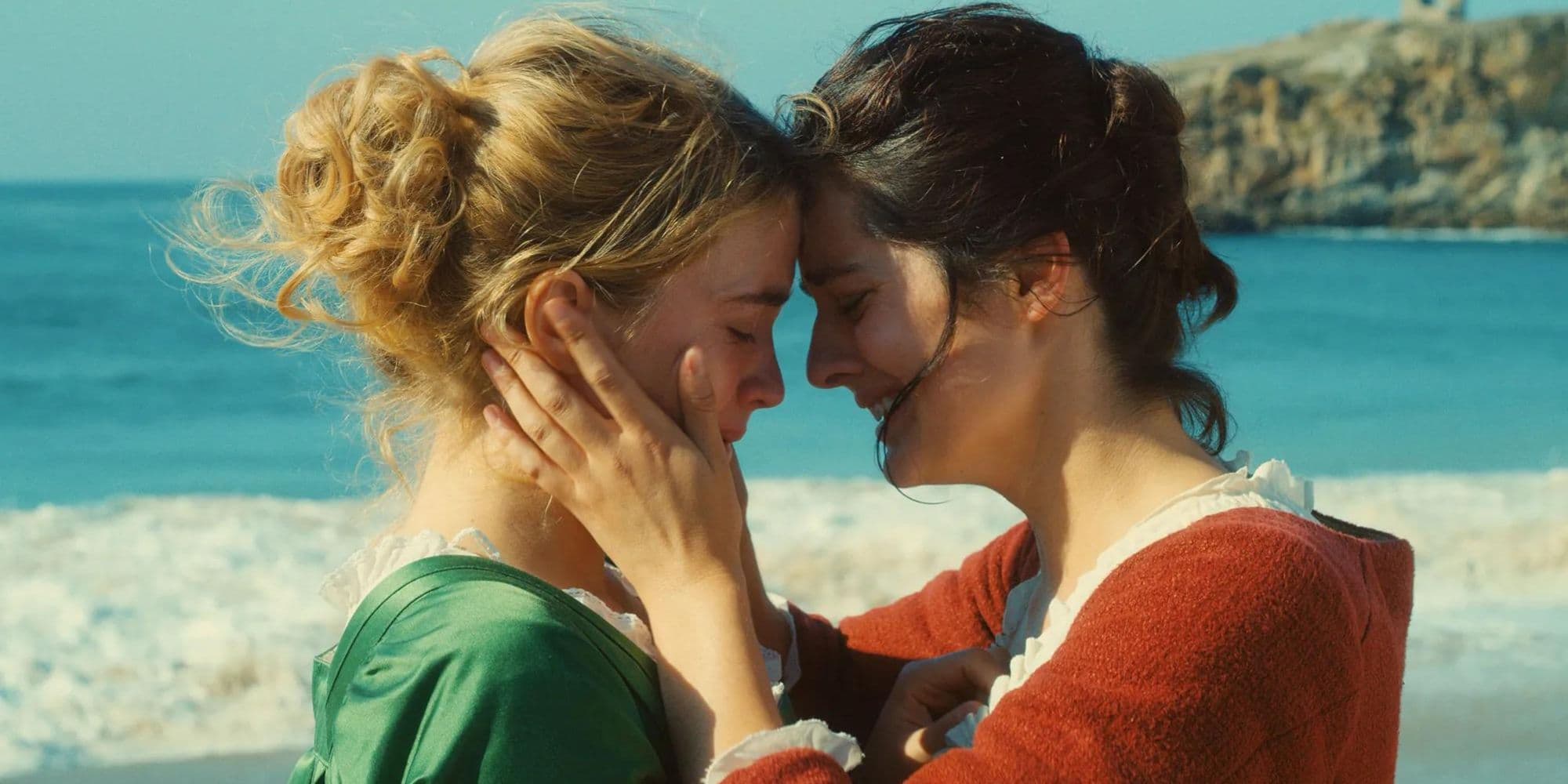
What's the Greatest Period Movie of All Time? Surely It's One of These 10 Films
Period films have a unique ability to transport audiences back in time, capturing the nuances of specific eras with stunning detail and emotional depth. From lavish costumes to intricate set designs, these films do more than just recount events; they infuse history with themes of obsession, desire, power, and ruin. In this breakdown, we explore ten outstanding period films, analyzing what makes them noteworthy and how they reflect on our own lives.
Whether you are a history buff or a casual movie-goer, these selections promise a mix of drama, beauty, and poignancy.
Quick Summary
This article delves into ten films recognized for their exceptional storytelling, captivating aesthetics, and historical significance. From Stanley Kubrick’s stunning Barry Lyndon to the modern flair of The Favourite, each movie brings a different aspect of history to life, showcasing the art of filmmaking in every frame. The discussion centers around not just the cinematic brilliance of these films, but also their deeper meanings and cultural relevance.
Story Setup
The settings of these movies range from the lush landscapes of 18th-century Europe to the politically charged courts of past monarchies, where ambition and desire intertwine tragically. Each film we explore serves as a lens through which audiences can view the complexities of human emotion against the backdrop of history.
For instance, Barry Lyndon explores the rise and fall of an Irish rogue in 18th-century Europe, highlighting themes of fortune and misfortune through visually stunning cinematography. On the other hand, The Favourite employs dark humor and sharp wit to illustrate the power dynamics in Queen Anne’s court in the early 18th century, showcasing how personal relationships are often entangled with political aspirations.
Main Characters
The characters in these ten films are as varied as the settings themselves, often embodying the spirit of their times while also delving into timeless themes of love, betrayal, and ambition.
In Barry Lyndon, the titular character, played by Ryan O'Neal, is a man shaped by his surroundings but ultimately trapped by his own choices. His journey reflects the harsh realities of seeking power and status, emphasizing the ephemeral nature of fortune.
Conversely, in The Favourite, we meet three central figures: Queen Anne, played by Olivia Colman; Lady Sarah, portrayed by Rachel Weisz; and Abigail, acted by Emma Stone. Their relationships are marked by shifts in loyalty and ambition, creating a dynamic interplay of power that captivates audiences, forcing us to question the moral complexities underlying their actions.
Ending or Latest Episode Explained
Given the article’s focus on ten different films, the way each story concludes varies significantly across dramatic arcs. For instance, Barry Lyndon culminates in a poignant reflection on the emptiness of wealth and success, leaving viewers to contemplate the true cost of one's ambitions. The film's melancholic ending acts as a powerful reminder that life is often dictated by forces beyond our control.
In contrast, The Favourite delivers a more visceral ending, filled with irony and dark humor. As power shifts among the three main characters, the final scenes highlight the paradox of loyalty and betrayal within close relationships, pushing viewers to laugh while also reflecting on the painful yet absurd reality of power struggle.
What Could Happen Next
While these films are already classics, the evolving nature of cinema opens the door for potential reimaginings or sequels. Filmmakers today continuously draw inspiration from the past, often infusing new perspectives or modern storytelling techniques into historical narratives. With discussions surrounding representation and authenticity, future adaptations may explore lesser-known figures from history or delve deeper into the untold stories behind well-known events.
Additionally, the current cinematic trend toward mixing genres promises to bring fresh takes on period dramas. Expect to see more films that blend the aesthetic richness of period pieces with modern storytelling elements, possibly incorporating elements of fantasy or sci-fi to appeal to a broader audience.
Why This Is Trending
The ongoing interest in period movies can be attributed to several factors, including their visual splendor and deep thematic content. As audiences crave connection during these turbulent times, period films provide an escape into extravagant worlds filled with larger-than-life characters and dramatic narratives. They allow viewers to reflect on contemporary issues—such as power dynamics, social justice, or human rights—by presenting them in a historical light.
Moreover, recent successes in the genre, such as The Favourite and critically acclaimed releases like Pride and Prejudice, have piqued interest, proving that there is a strong audience demand for thoughtfully crafted historical narratives. The artistry, combined with strong performances, ensures that period films remain culturally relevant and continually attract new generations of viewers.
Final Thoughts
In the end, reflecting on the greatest period films is not just about evaluating cinematic brilliance, but also about understanding how these stories resonate with human experiences. The craft of period filmmaking serves not only as a visual delight but also as a beautiful reminder of our shared history and the complexities of human relationships.
As we look ahead, these ten films stand as testaments to the genre's strength. They not only entertain but also provoke thought about our past, present, and future. As new visions in the world of period cinema emerge, we'll undoubtedly continue to engage with these timeless tales, discovering new layers that speak to our ever-evolving understanding of history and humanity.


