9 Greatest Sci-Fi Shows With Parallel Universes
The realm of science fiction has long captivated audiences with its imaginative tales and groundbreaking concepts. Amongst these, the idea of parallel universes stands out as particularly intriguing—allowing characters to navigate alternate realities and explore 'what if' scenarios. Shows like Rick and Morty, Loki, Dark Matter, and The Man in the High Castle have successfully incorporated this theme into their narrative structures. Today, we will explore nine of the greatest sci-fi shows that feature parallel universes, examining their story setups, characters, endings, and much more.
Quick Summary
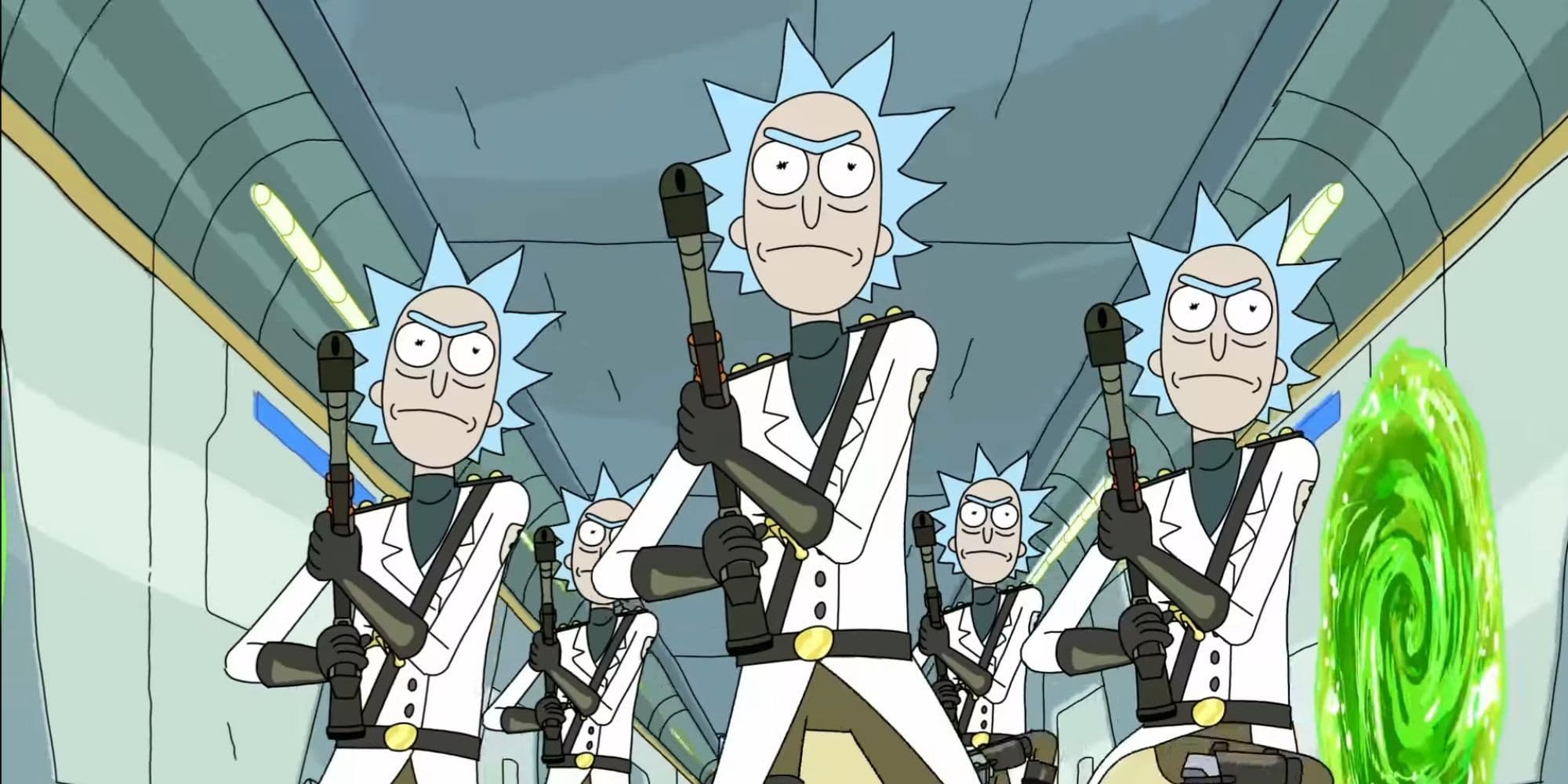
- Rick and Morty - A darkly comedic animated series that follows the wild misadventures of a scientist and his grandson across multiple dimensions.
- Loki - Marvel's foray into the multiverse, delving into alternate timelines and the consequences of time travel.
- Dark Matter - A group of people awakens on a spaceship with no memories of who they are or their mission, leading to an exploration of identity and morality.
- The Man in the High Castle - A dystopian narrative set in an alternate history where the Axis powers won World War II, featuring an intricate web of resistance and conspiracy.
- Fringe - A mix of procedural drama and science fiction, focusing on a team solving bizarre cases across universes.
- Counterpart - An intriguing blend of espionage and metaphysics, exploring the life of a man working at a covert agency that interacts with a parallel Earth.
- The OA - Combining elements of mystery and spirituality, this show takes viewers on a journey through near-death experiences and alternate realities.
- Sliders - A classic sci-fi adventure where a group of travelers moves between different realities, each with its own take on familiar concepts.
- Ultimate Spider-Man - A unique take on the Spider-Man story, interweaving multiple universes and allowing different versions of the iconic hero to team up.
Story Setup
Each of these shows utilizes the concept of parallel universes to craft intricate narratives that question the nature of reality, choices, and consequences. Rick and Morty stands out with its irreverent humor and exploratory style, using interdimensional travel to satirize various aspects of life and science fiction tropes. On the other hand, Loki provides a richer emotional texture, utilizing its multiverse threads to delve deeper into identity and purpose, particularly for a character as complex as Loki himself.
Dark Matter brings a tense, action-oriented approach to the theme, posing existential questions as the protagonists uncover their pasts and try to determine their futures. The Man in the High Castle offers a more somber and thought-provoking exploration of history, examining how a world shaped by different victors would function.
Shows like Fringe and Counterpart demand contemplation regarding the implications of their stories, challenging characters and viewers alike to grapple with the ethical and emotional ramifications of their actions across multiple realities.
Main Characters
The characters in these sci-fi shows are integral to their exploration of parallel universes. In Rick and Morty, Rick Sanchez serves as the chaotic and genius scientist with a tendency toward nihilism, often dragging his naive grandson Morty into perilous adventures. Meanwhile, Loki sees the titular character—played by Tom Hiddleston—navigate his evolving moral landscape as he confronts variants of himself and challenges authority.
In Dark Matter, the unnamed crew represents various facets of morality, identity, and redemption, while in The Man in the High Castle, characters like Juliana Crain and Frank Frink grapple with resistance against oppression in a world defined by alternate realities.
Fringe features Olivia Dunham, a determined agent whose personal struggles parallel the bizarre cases her team faces, while Counterpart showcases Howard Silk, who learns about the covert operations of his doppelgänger on the other side, leading him to question his own existence. This reflective approach enriches the storytelling, inviting viewers to empathize with characters attempting to understand their paths amidst chaos.
Ending or Latest Episode Explained
Based on available public metadata, many of these shows have concluded with impactful finales that link back to their core themes of identity, choice, and consequence. For example, the conclusion of Rick and Morty continues to explore the characters' relationship as they delved into the implications of their multiple adventures across realities. Similarly, Loki's series finale introduced a new paradigm that reshaped the Marvel universe, emphasizing the interconnectedness of timelines and alternate realities.
On the other hand, Dark Matter and The Man in the High Castle highlighted bittersweet conclusions that reflect on the characters’ journeys and the implications of their actions across their respective universes. Each series embodies the spirit of exploration, leaving audiences not just satisfied, but also reflective on the stories they've witnessed.
What Could Happen Next
While many of these shows have concluded, the enduring appeal of parallel universes suggests that narrative possibilities remain vast. Spin-offs, reboots, or further explorations of their themes could be on the horizon. For instance, the Marvel universe continues to expand, hinting at potential returns to the timelines introduced in Loki.
Moreover, with technology advancing in the realm of storytelling, we could see innovative formats that delve deeper into the concept of parallel dimensions, beyond traditional episodic structures. The demand for fresh narratives suggests we may soon see a resurgence of shows that explore alternate realities, echoing the sentiments of both new and long-time fans of the genre.
Why This Is Trending
The resurgence of interest in parallel universes is likely fueled by the ongoing fascination with the multiverse concept in comics, films, and television, highlighted by recent high-profile projects from major studios. With shows like Rick and Morty and Loki tapping into popular culture, audiences find themselves drawn to the thought-provoking questions and imaginative scenarios that arise from these alternate realities.
This thematic exploration provides a rich ground for discussions around identity, morality, and the choices we make. As society increasingly grapples with complex issues, sci-fi shows that probe these fundamental questions resonate deeply with viewers, making this topic relevant and widely discussed.
Final Thoughts
The allure of parallel universes in science fiction isn't merely a storytelling device; it's a tool for exploring deeper philosophical questions about existence and choice. The nine shows discussed demonstrate the versatility of this concept, allowing us to embark on rich narrative journeys filled with humor, action, drama, and introspection. Whether through the frantic adventures of Rick and Morty or the somber tones of The Man in the High Castle, these series invite us to consider the infinite possibilities that lie beyond our own reality. As audiences continue to crave innovative storytelling, the exploration of parallel universes will undoubtedly retain its place in the pantheon of beloved sci-fi narratives.


