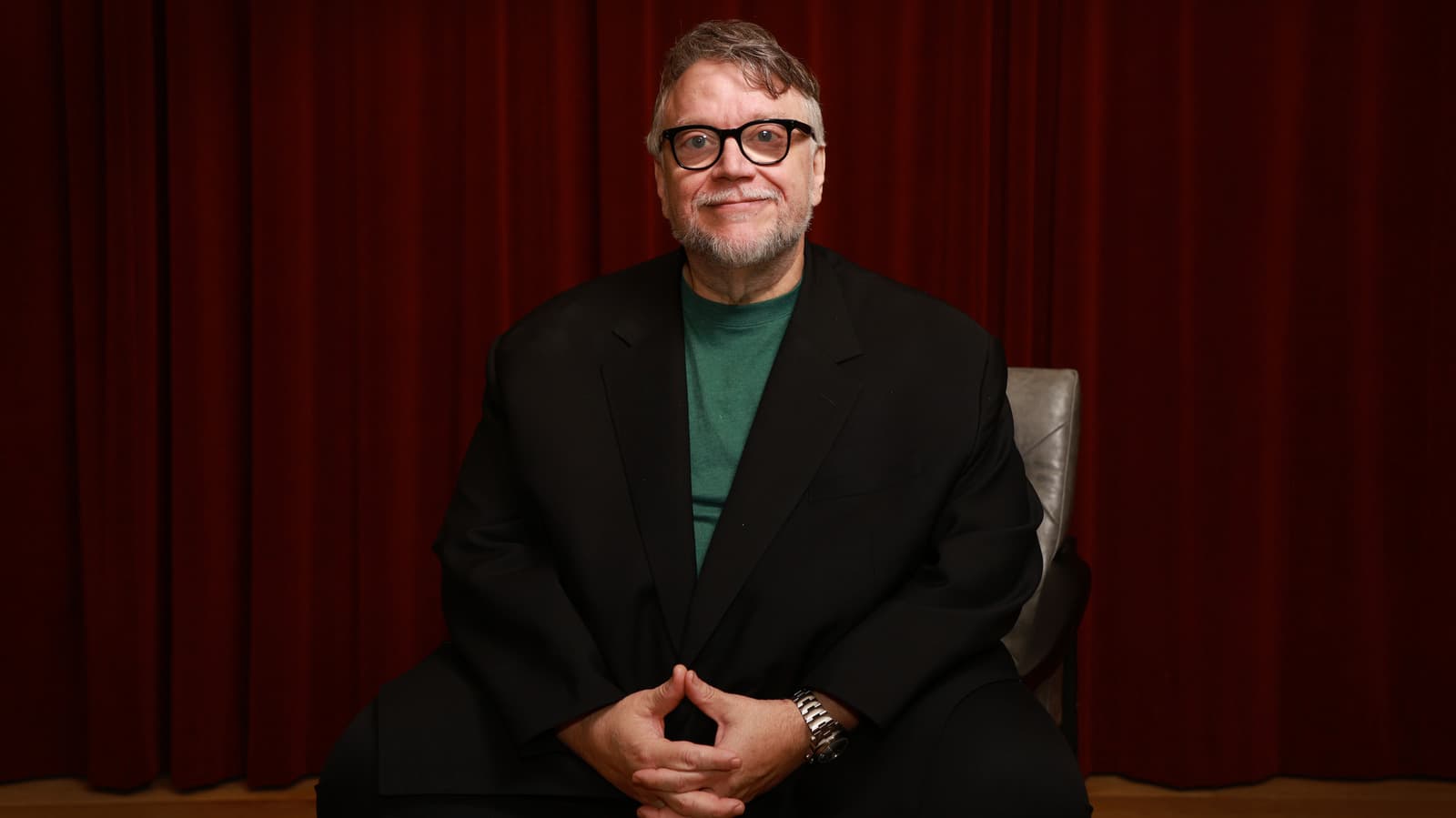
Exploring Guillermo Del Toro's Insight: Disobedience and Responsibility
Guillermo Del Toro, a master storyteller known for his fantastical and often dark narratives, offers profound insights into human nature and morality. His reflection on the concept of disobedience as a foundation for responsibility resonates deeply with fans and film enthusiasts alike. His statement, ‘Disobedience is the beginning of responsibility, I think,’ encapsulates the crux of many narratives within his films, particularly evident in works like Pan’s Labyrinth.
Quick Summary
Del Toro's statement sheds light on a recurring theme across his filmography: the idea that questioning authority and breaking societal norms are essential for personal growth and ethical responsibility. By encouraging audiences to consider disobedience in a positive light, he challenges conventional perceptions of morality.
Story Setup or Current Context
Disobedience serves as a vital theme in various cultures and narratives, often seen as a precursor to change or liberation. Within the context of Del Toro's Pan's Labyrinth, this idea unfolds dramatically as the protagonist, Ofelia, navigates a world filled with oppressive forces. Her acts of rebellion against the strictures of her environment highlight the importance of self-agency and the ethical dilemmas associated with obedience and disobedience. This thematic focus is not limited to this single film; rather, it permeates Del Toro's broader body of work, inviting viewers to explore the complexities of morality in a fantastical yet relatable manner.
Main Characters or Key People
Although the quote does not directly reference specific films or characters, one can draw connections to recurrent archetypes within Del Toro's films. Characters often find themselves in morally ambiguous situations where the choice between obedience and disobedience defines their journey. For instance:
- Ofelia (Pan's Labyrinth): Her journey represents the risks and rewards of defiance against oppressive powers.
- Elisa (The Shape of Water): Her love for the creature challenges societal norms and questions what it means to be ‘normal’.
- The Faun (Pan's Labyrinth): A representation of guidance that intertwines the themes of obedience and disobedience in mystical ways.
These characters explore the consequences of going against the grain, ultimately illustrating Del Toro's belief that responsibility often stems from such choices.
Ending, Latest Episode, or Announcement Explained
At this point, there are no specific new episodes or film releases directly connected to this quote. However, Del Toro continues to engage with audiences on various projects and themes, suggesting that reflections on disobedience and responsibility will likely remain central to his future narratives. Fans eagerly await new works that further explore these motifs.
What Could Happen Next
As Del Toro's brand of storytelling evolves, viewers can anticipate more narratives that challenge traditional structures of authority and morality. Future projects may delve deeper into the moral implications of disobedience, potentially creating complex, multi-dimensional characters that embody these themes. Whether through new films or collaborative projects, Del Toro's exploration of what it means to be responsible in a challenging world will likely resonate powerfully with audiences.
Why This Is Trending
The discussion surrounding Del Toro’s themes of disobedience ties into broader societal conversations about personal agency, authority, and moral responsibility. As the world grapples with issues of conformity and dissent, Del Toro’s insights offer a unique lens through which to view contemporary challenges. His filmography, rich with allegorical significance, provokes thought and conversation, making this topic particularly relevant today.
Final Thoughts
Guillermo Del Toro’s perspective on disobedience as a foundational element of responsibility not only enriches his narratives but also encourages audiences to reflect on their own lives and choices. As we continue to engage with his films and philosophies, we can appreciate how his insights challenge us to rethink conventional morals and embrace the complexities of our choices. Del Toro’s work serves as a reminder that true growth often comes from questioning the status quo.
Frequently Asked Questions
Q: What does Guillermo Del Toro mean by ‘disobedience is the beginning of responsibility’?
A: Del Toro suggests that questioning norms and authority is crucial for personal and ethical development, a recurring theme in his films.
Q: How does this theme manifest in Del Toro's works?
A: Characters often face moral dilemmas that require them to choose between obedience and disobedience, affecting their journeys profoundly.
Q: Are there any upcoming projects from Del Toro related to this theme?
A: While specific project details are currently unavailable, Del Toro continues to create works that explore themes surrounding authority and morality.