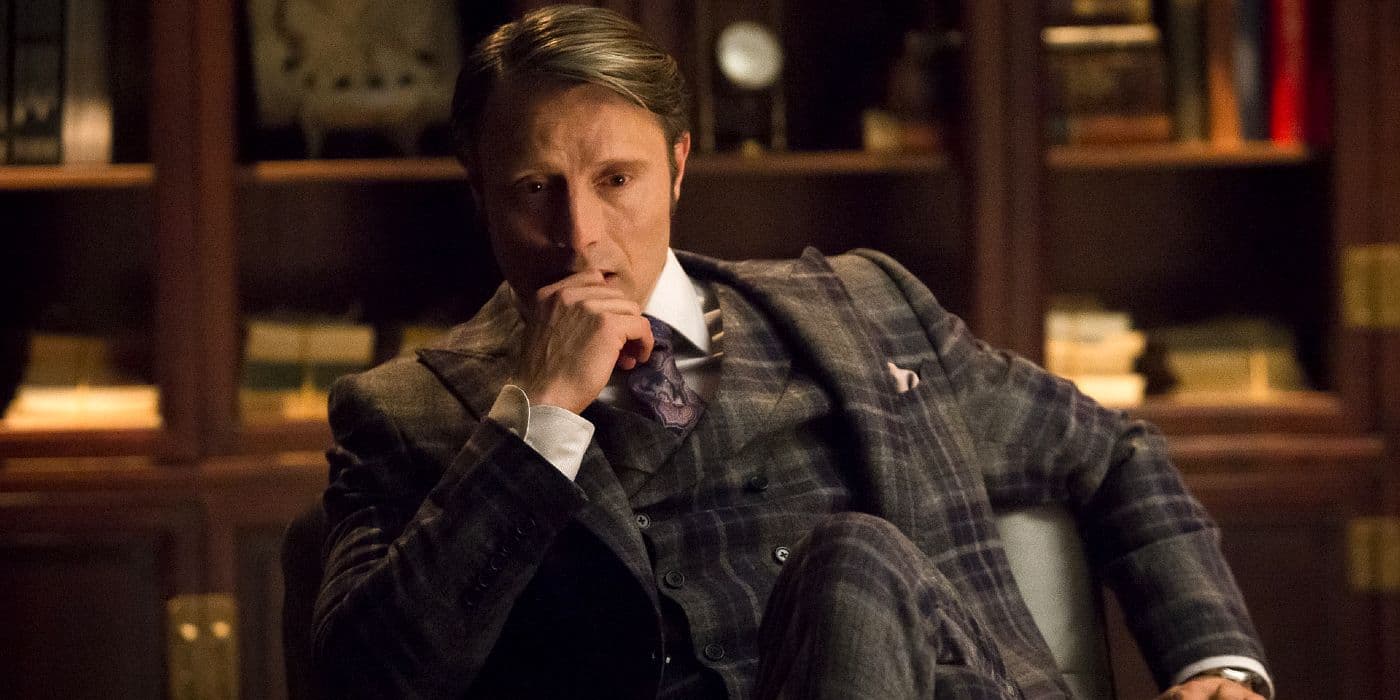
Hannibal's 'Mizumono' Is TV's Best Psychological Horror Finale Explained
In the realm of psychological horror, few shows have left an indelible mark quite like Hannibal. The season two finale, titled 'Mizumono,' stands out as one of the most captivating and haunting conclusions in television history. Delving into the intricate storylines, well-crafted characters, and the shocking ending that left audiences reeling, this article seeks to explore the rich narrative woven throughout the series and consider what might come next.
Quick Summary
'Mizumono' not only serves as the climax of season two but also pivots the entire storyline into uncharted territory. This episode artfully combines raw emotion, chilling tension, and stunning visuals, making it a quintessential example of psychological horror that resonates long after the credits roll.
Story Setup
As the second season unfolds, viewers are immersed in a complex world where morality blurs and horrors hide in plain sight. The stakes are high, as FBI special investigator Will Graham navigates a tense relationship with Dr. Hannibal Lecter, a brilliant psychiatrist with a taste for the macabre. The emotional turmoil and intellectual sparring continue to develop, drawing viewers into a web of manipulation, trust, and betrayal.
In 'Mizumono,' the relationships that define the show's existential dilemmas come to a head. The episode highlights the conflicts surrounding loyalty, the nature of evil, and the consequences of their choices. Throughout the season, it’s clear that the interactions between Will, Hannibal, and other characters have been building towards a catastrophic showdown that will test the very fabric of their connections.
Main Characters
-
Will Graham: A gifted investigator plagued by empathy that allows him to connect deeply with the minds of killers, but also brings significant internal conflict. Will's arc revolves around his increasing dependence on Hannibal and the moral ambiguity of their relationship.
-
Dr. Hannibal Lecter: A cultured psychiatrist and cunning cannibal, Hannibal represents the duality of intellect and monstrosity. His manipulation of Will and others creates tension filled with psychological and emotional stakes.
-
Jack Crawford: Will’s superior at the FBI, he embodies the hunt for the truth while grappling with the ethical implications of his pursuit. Jack’s role complicates as he grows wary of Hannibal’s influence over Will.
-
Alana Bloom: A keen psychologist and one of the few who suspects Hannibal's true nature. Alana represents an ethical counterpoint to Hannibal’s manipulation techniques.
-
Bedelia Du Maurier: A colleague of Hannibal who begins to unveil the dark layers of his existence, presenting an outsider's perspective on the deadly dance between Will and Hannibal.
Ending or Latest Episode Explained
'Mizumono' culminates in a series of fatal confrontations that shift the dynamics between the primary characters. The psychological torment reaches a boiling point as alliances are tested, and truths are laid bare. The episode is laden with symbolic imagery and visceral moments that illustrate the fragility of the human psyche under Hannibal's influence.
The final scenes reveal the devastating consequences of betrayal. In a heart-wrenching climax, Will’s choices and Hannibal’s machinations lead to a bloodbath that leaves characters fractured and redefines their relationships.
The emotional intensity of the finale may haunt viewers long after watching. It leaves lingering questions about identity, morality, and the extent of human depravity. Each character is left grappling with the aftermath, providing layers of complexity that invite further analysis.
What Could Happen Next
Based on available public metadata, the fallout from 'Mizumono' sets the stage for potential new storylines. The destabilization of relationships raises critical questions, such as who can be trusted and what redemption might look like after such utter chaos.
Future episodes could explore how Will grapples with the bloodshed and how it shapes his psychological makeup. Additionally, the power dynamics between him and Hannibal could present new and dangerous challenges.
Furthermore, with secondary characters like Alana and Jack poised at pivotal crossroads, the narrative could expand to delve deeper into their individual struggles and responses to the horror they’ve witnessed.
Why This Is Trending
'Mizumono' remains a hot topic among horror enthusiasts and television critics due to its masterful cinematography, layered storytelling, and the shocking twists that keep audiences engaged. The intricate character arcs, particularly the relationship between Will and Hannibal, have sparked numerous discussions, analyses, and fan theories. The series' signature blend of elegant visuals and disturbing themes continues to draw attention and set high standards for psychological horror in television.
In today’s culture of binge-watching, many viewers are revisiting this seminal episode to rediscover its thematic depth and craftsmanship. As discussions about the boundaries of horror and the moral complexities of its characters evolve, 'Mizumono' remains at the forefront of conversations about exceptional television.
Final Thoughts
The enduring impact of Hannibal's 'Mizumono' is a testament to its brilliance as a psychological horror series. The finale not only leaves an indelible mark on the narrative but also resonates with real-life themes of trust, betrayal, and the delicate balance between good and evil.
As fans reflect on the season two climax, the multiple layers of interpretation remain ripe for exploration, reminding us that the horror genre can often transcend mere shock value to delve into the darkest corners of the human experience. The anticipation surrounding its characters’ next moves keeps the show's legacy alive and in the conversation for years to come.