10 Haunted Houses In Movies Where You Couldn't Pay Us Enough To Stay The Night
Haunted houses and horror movies are a classic pairing that has terrified audiences for decades. The chilling vibe of these homes serves as the perfect backdrop for stories of supernatural occurrences and spine-tingling suspense. With eerie settings and unsettling narratives, some houses in horror films are so haunted that you'd definitely hesitate before checking in for a night. In this breakdown, we’ll explore ten haunted houses in movies that you wouldn’t want to stay in, even if you were paid to do so.
Quick Summary
From the sinister Overlook Hotel in The Shining to the eerie Amityville House in The Amityville Horror, the following films showcase locations so malevolent, visitors should think twice before entering. Each house brings its own unique tale of horror, filled with supernatural elements that keep audiences on the edge of their seats. Prepare to uncover the chilling details of these homes that hold dark secrets and haunted histories.
Story Setup
Haunted houses typically carry with them a backstory filled with tragedy, violence, or some traumatic event. In many cases, these houses often serve as the central character in the narrative, influencing the actions of the protagonists and the unfolding of the plot.
Take, for example, the Overlook Hotel. In The Shining, Stanley Kubrick's adaptation of Stephen King's novel, this grand yet decaying hotel is isolated from the outside world, shrouded in snow and winter's grip, amplifying the sense of entrapment. Jack Torrance, played by Jack Nicholson, grows increasingly unstable in this environment filled with ghostly apparitions and a sinister past.
Contrasting this is the Amityville House, which became infamous after the Lutz family’s terrifying experience after moving in. Defined by its real-life history of murder, the house is depicted as a sinister character itself, impacting the lives of those who dare to inhabit it.
Main Characters
Each haunted house features memorable characters, both human and spectral, who add layers to the story. In The Shining, Jack Torrance is not just a writer but a man descending into madness. His deterioration perfectly illustrates the psychological horror fueled by the hotel's haunting presence. Wendy, his wife, stands as a symbol of sanity struggling against an increasingly unstable home life, reflecting the fight against the malevolent forces at play.
Meanwhile, in The Conjuring series, the central figures are Ed and Lorraine Warren, real-life paranormal investigators. Their commitment to saving those tormented by haunted locations serves not only to drive the plot but also provides an anchor for audiences to connect with. Their expertise offers hope in the face of terror, making their characters both relatable and essential.
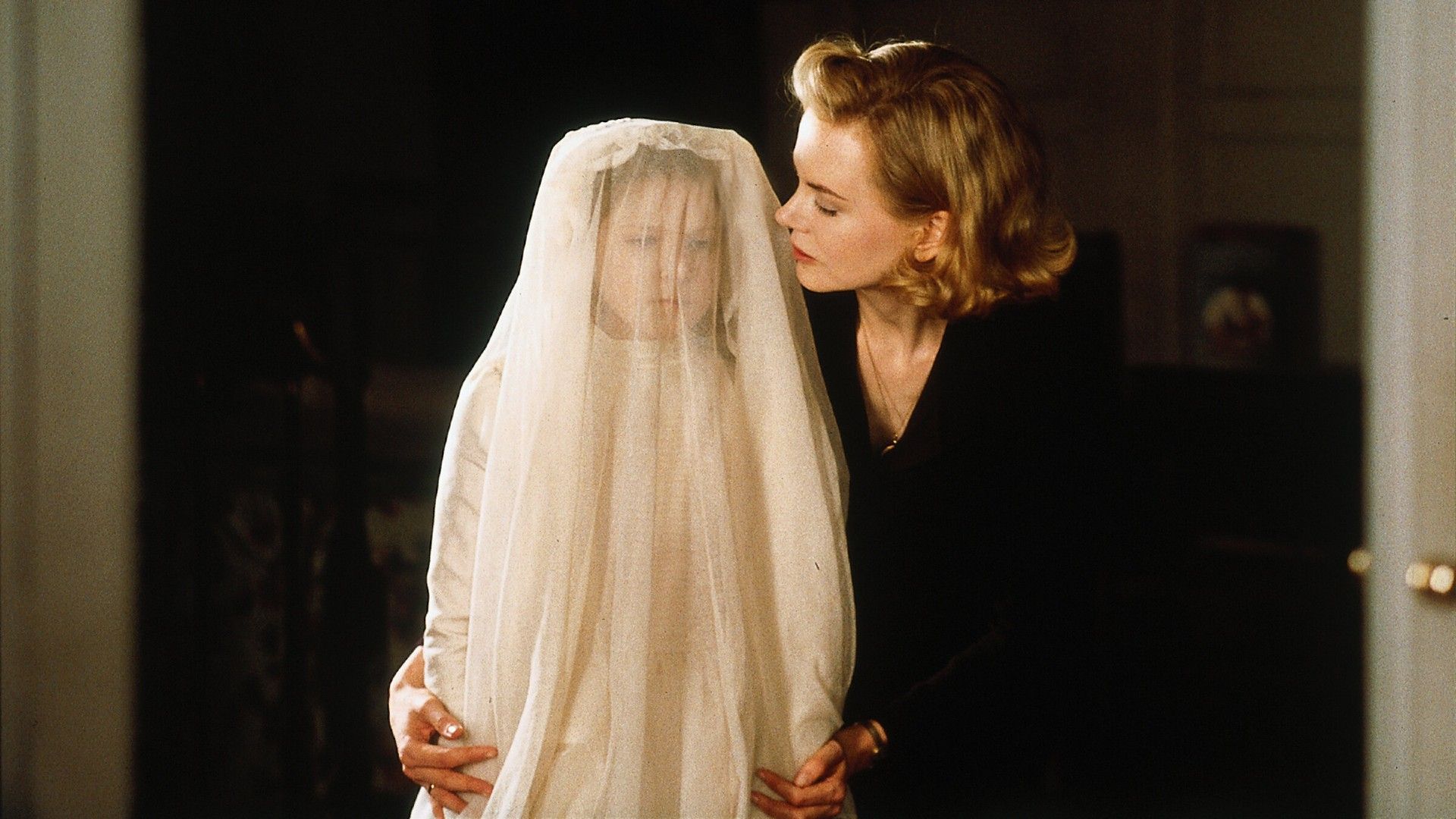
Turning to more modern horrors, Hereditary explores a familial haunting deeply rooted in generational trauma. The family is haunted not only by their home but by their legacy, showcasing how haunted houses can reflect the inner demons of its inhabitants, adding layers of horror that mirror personal struggles.
Ending or Latest Episode Explained
As many of these stories trend towards climactic, unsettling conclusions, how the characters confront their haunted houses often leaves audiences breathless. For example, in The Conjuring, the Warrens not only confront the spirit haunting the Perron family but also face their own fears and commitments to each other. This emotional resolution amid horror emphasizes the house's dual role as a site of terror and a space for personal growth.
On the other hand, The Shining culminates in an explosive confrontation between Jack and his family but leaves audiences questioning the very nature of reality and madness itself. The horrific events that unfold lead to a sense of dread that lingers long after the credits roll.
What Could Happen Next
Though many of these films stand alone, the horror genre is notorious for sequels and reboots, keeping audiences on the lookout for what might happen next. Films like The Conjuring have spawned entire franchises that delve deeper into the supernatural narratives surrounding haunted locations. This ongoing exploration allows for fresh stories, even revisiting beloved haunted houses.
Moreover, the rise of streaming platforms could bring revived interest in classic haunted tales, as shows may allow deeper dives into these stories. Imagine anthological series exploring the backstories of iconic haunted houses or even teasing new supernatural encounters.
Why This Is Trending
The fascination with haunted houses in movies is on the rise, especially with the resurgence of horror within popular culture. There’s something universally terrifying about the idea of a place that should feel safe turning sinister. As audiences increasingly seek thrills from the comfort of their homes, films featuring haunted houses resonate deeply, leveraging psychological fears that are often rooted in our psyches. And with the continued global interest in paranormal investigations and ghost stories, it's no wonder that haunted houses remain a staple in horror cinema.
Besides, the nostalgia factor associated with these classic haunted house films is palpable. They beckon viewers who grew up with them, inviting a new generation to confront their fears. Moreover, as horror films become more diverse and experimental, we can expect to see a broader representation of haunted locations infused with cultural significances.
Final Thoughts
In conclusion, the haunted houses featured in these films illustrate how our fears can manifest in physical spaces. They're not merely buildings but characters in their own right, exuding menace and mystery. From psychological terrors that warp reality to supernatural encounters that chill the soul, it's no surprise we'd think twice before spending a night in these haunted homes.
Regardless of whether you choose to explore these cinematic nightmares or not, it's a hauntingly fascinating journey worth taking—just maybe not overnight. So grab your popcorn, turn off the lights, and prepare for a chilling adventure within the depths of horror cinema.
Movie explanation
About this breakdown
PublishedJuly 8, 2026
Last updatedJuly 8, 2026
Topics coveredStory SetupMain CharactersEnding or Latest Episode ExplainedWhat Could Happen Next
EpisodeBreakdown may use automated tools to assist research, drafting, and formatting. Published pages are governed by our editorial and corrections policies, and source links are shown when they are available in the article record.
Discovery source: ScreenRant. The source identifies where the topic was discovered; EpisodeBreakdown is responsible for the commentary published on this page.