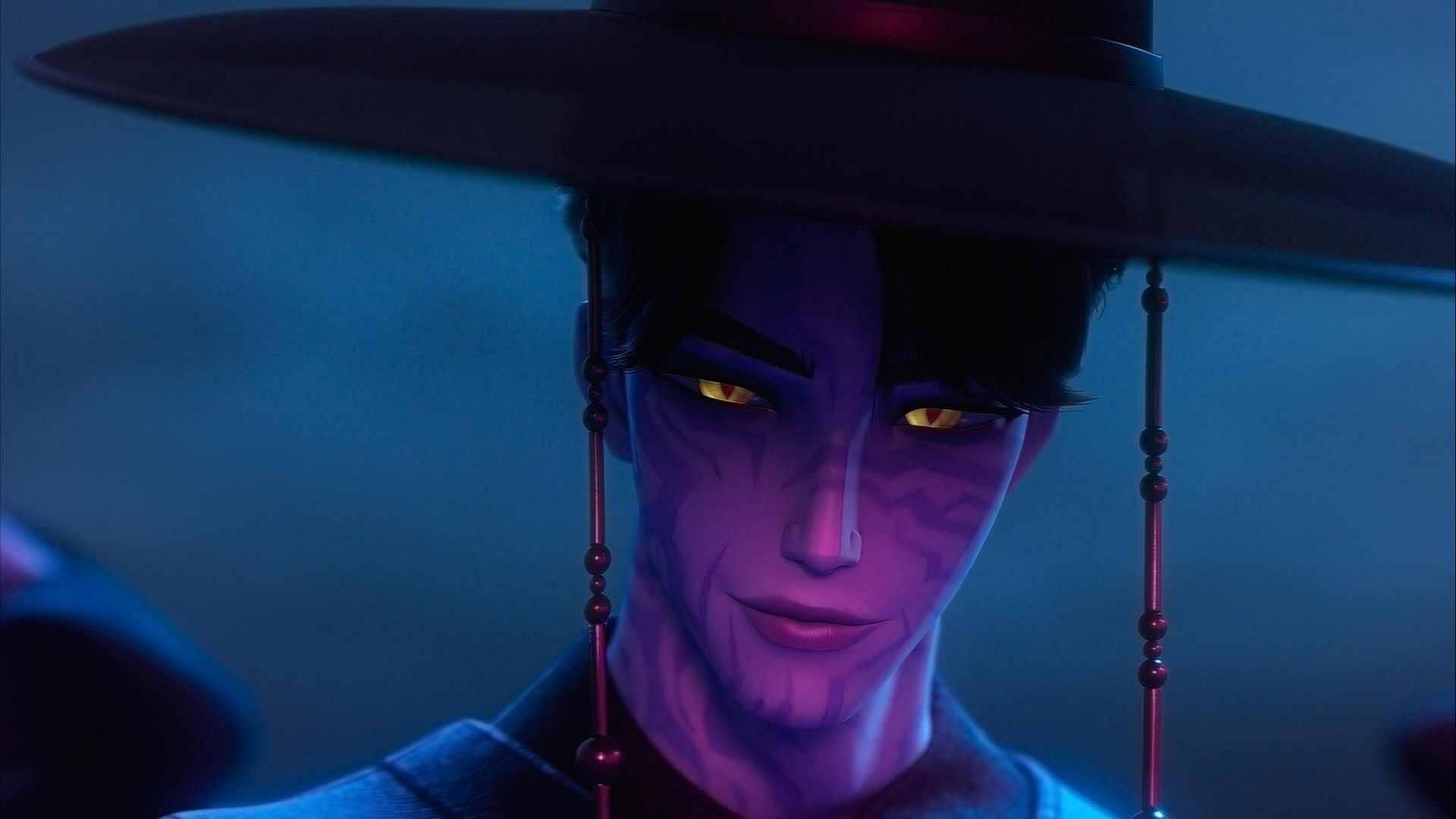
Christopher Nolan’s Sci-Fi Spy Thriller Takes Over HBO Max
Christopher Nolan's 'Tenet' is now gaining popularity on HBO Max amid box office successes this year.
Explore how HBO's Deadwood stands as a significant 36-episode Western series, invoking the spirit of Tombstone while providing a deeper narrative experience.
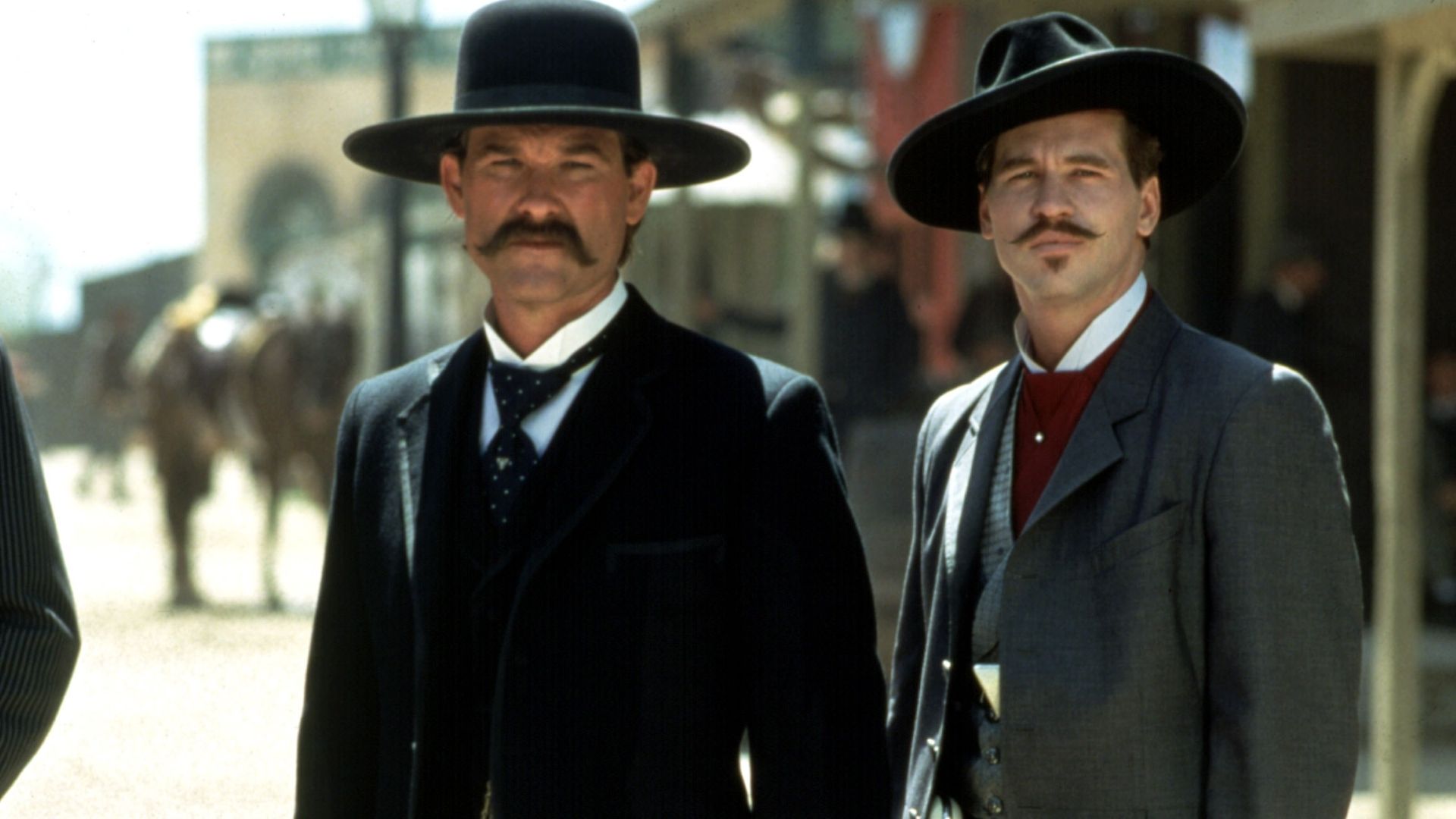
HBO's "Deadwood" has etched its name into the annals of television history as a relentless exploration of human ambition, morality, and survival in the rugged American West. Running for three seasons and consisting of 36 episodes, this series is often touted as the TV counterpart to the iconic Western film, "Tombstone". But how does it measure up? Let’s dive into the heart of Deadwood and unearth what makes it a towering achievement in the genre.
"Deadwood" takes place in the late 1800s, encapsulating the rough and tumble world of a mining town in South Dakota. Unlike many standard Westerns, the show delves deep into the complexities of its characters, interweaving personal ambitions, power struggles, and moral dilemmas in a lawless landscape. With a rich array of colorful characters and a gritty aesthetic, it explores themes of civilization versus savagery and the consequences of human behavior in pursuit of wealth and power.
Setting the stage in the lawless town of Deadwood, HBO's series meticulously portrays the clash between the growing need for order and the chaos that emerges from unbridled ambition and lawlessness. The narrative not only breathes life into the historical context of the Gold Rush but also focuses on the often untold stories of those who lived it: outcasts, dreamers, and fighters.
The central storyline revolves around the establishment of a community amidst the anarchy—how people from disparate backgrounds forge a society, complete with its own code of conduct, despite the lack of traditional governance.
As the plot unfolds, we witness the increasing conflicts between settlers, Lawmen, and outlaws. Characters vie for control over not just their fates but the future of Deadwood itself, often leading to moral compromises and brutal confrontations. This multi-layered storyline makes the series both captivating and unpredictable, drawing viewers into a world where every decision is laden with consequence.
The strength of "Deadwood" lies in its ensemble cast of characters, each with rich backstories and evolving arcs.
Al Swearengen (Ian McShane): The ruthless saloon owner and one of the town's most influential figures, Swearengen's character embodies the show's dark humor and cunning pragmatism. His power struggles and often brutal tactics paint a vivid picture of the complexities of leadership in a chaotic environment.
Seth Bullock (Timothy Olyphant): A former lawman turned hardware store owner, Seth seeks to impose order amidst the chaos. His character juxtaposes Swearengen's morals with a more conventionally heroic ethos, presenting the viewer with a fascinating character study of right versus wrong.
Martha Bullock (Anna Gunn): Adding emotional depth, her character represents the few who try to bring some semblance of civilization to the frontier, deeply affected by the turbulent dynamics around her.
Trixie (Paula Marshall): A complex portrayal of survival, Trixie's story delves into the roles of women within a patriarchal society, capturing the struggles of resilience and independence.
These characters not only embody the heart of the narrative but also position "Deadwood" as a nuanced exploration of human psychology and society.
While the series comes to an end with its third season, it leaves behind an abundance of themes and questions for viewers to ponder. The closing episodes weave a tapestry of resolutions mixed with unresolved issues, illustrating the continuous fight for civilization in the wild frontier. Major power shifts and character exits serve to highlight both the volatility and the fragile nature of community bonds in Deadwood.
This layered ending suggests that, just as in life, the struggle for order and relevance is never truly over; each character must find their path forward or risk succumbing to the very chaos they've struggled to overcome.
Given HBO's commitment to great storytelling, there are rumors and discussions surrounding the potential for a cinematic continuation of the saga. Should a sequel or revival emerge, it could delve deeper into past and future characters, especially in light of how the landscape of the American West evolved.
Further exploration of characters' lives after the credits could make for thrilling tales – be it dealing with new governance, further conflicts, or exploring burgeoning relationships that surfaced over the course of the series. Fans will undoubtedly keep clamoring for new adventures in Deadwood, with its unique blend of historical drama and no-holds-barred character exploits.
"Deadwood," despite concluding its original run, continues to trend due to a resurgence of interest in the Western genre and high-quality television series. The show has garnered both critical acclaim and a cult following, setting high standards for storytelling in modern television.
Furthermore, ongoing discussions about character arcs, themes, and historical accuracy keep the dialogue alive, especially among fans of Westerns. The expected continuation or potential reboots mean that audiences remain engaged, eager for updates and analyses of their beloved characters and story.
HBO's "Deadwood" transcends the title of a simple Western series, evolving into a masterclass of storytelling and character development. Its ability to capture the spirit of the Wild West while challenging traditional narratives sets it apart from other entries in the genre, including classic films like "Tombstone." As a monumental journey through grit, resilience, and the human spirit, it continues to resonate with audiences today, showcasing the brilliant artistry possible in television.
As fans look forward to the future, both in the form of potential sequels and ongoing discussions about its legacy, one thing remains clear: Deadwood is a classic that will endure through generations.
Entertainment news
EpisodeBreakdown may use automated tools to assist research, drafting, and formatting. Published pages are governed by our editorial and corrections policies, and source links are shown when they are available in the article record.
Discovery source: ScreenRant. The source identifies where the topic was discovered; EpisodeBreakdown is responsible for the commentary published on this page.
Reader response
Reactions and poll results are based on real reader responses. No account is required.