HBO's Near-Perfect 5-Episode Miniseries Proves Its Staying Power by Quietly Climbing Another Streamer's Charts
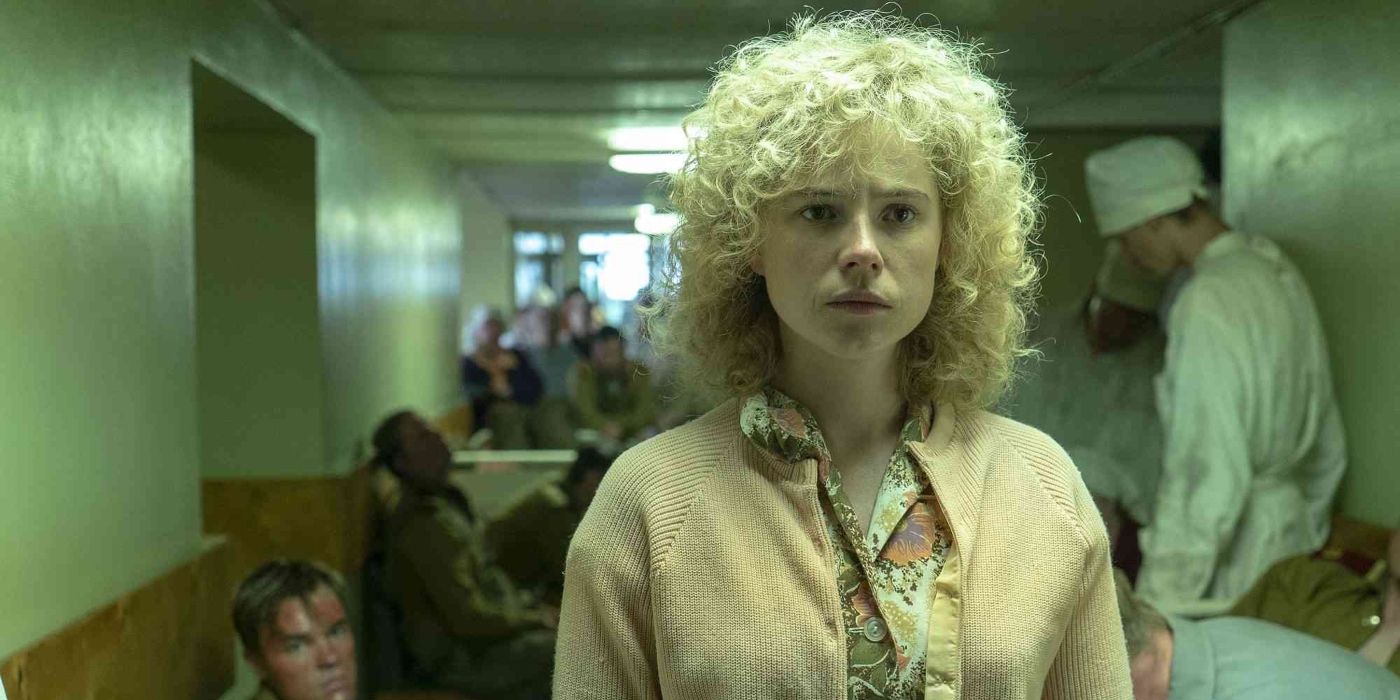
HBO's 5-episode miniseries, Chernobyl, has captivated audiences with its chilling and meticulously crafted portrayal of one of history's most infamous nuclear disasters. Initially released to significant acclaim, it has recently found renewed popularity by silently ascending the charts of another major streaming platform, Apple TV. The show's compelling narrative and top-notch production have not only ensured its staying power but also reinforced its status as a must-watch for both new viewers and loyal fans alike.
Quick Summary
Chernobyl is a historical drama that dives deep into the catastrophic nuclear accident at the Chernobyl Nuclear Power Plant in 1986. The miniseries unfolds over five intense episodes, combining personal stories with grim historical documentation, making it not only a thrilling watch but also a deeply educational experience.
Story Setup
The series begins with a gripping scene set against the backdrop of the disaster. It introduces audiences to the chaos and panic that ensues after the explosion at the Chernobyl plant. The miniseries expertly navigates through the timeline, showcasing the impact on the workers at the plant, the firefighters who responded to the blaze, and the subsequent efforts to contain the fallout.
The miniseries balances personal stories with broader sociopolitical commentary, illustrating how misinformation and governmental secrecy exacerbated the crisis. This dual narrative invites viewers to understand the human cost of the disaster while critiquing the systemic failures that contributed to it.
Main Characters
Chernobyl features a strong ensemble cast, with standout performances that bring its harrowing real-life figures to life.
- Valery Legasov (Jared Harris): A lead scientist, Legasov tentatively navigates the political landscape, providing a moral compass and scientific expertise. His internal struggle and moral dilemmas represent the broader conflict between truth and authority.
- Boris Shcherbina (Stellan Skarsgård): A deputy chairman of the Soviet Council, Shcherbina embodies the bureaucratic challenges faced during the crisis. His character development is crucial as he transitions from a state loyalist to someone who acknowledges the harsh realities of the disaster.
- Ulana Khomyuk (Emily Watson): A fictional composite character based on multiple scientists, Khomyuk represents the tireless professionals who raced against time to understand the disaster. Her unwavering dedication to the truth is inspiring.
- Viktor Bryukhanov (Paul Ritter) and Anatoly Dyatlov (Adrian Rawlins): These characters represent the plant's management, whose decisions play pivotal roles in the unfolding catastrophe.
Ending or Latest Episode Explained
In the final episode, the miniseries culminates in a climactic court trial, where the investigation of the disaster is put under scrutiny. Viewers witness the dire effects of the disaster, interspersed with flashbacks that highlight the sequence of events leading up to the explosion. The epilogue reflects on the tens of thousands affected by the radioactive aftermath, emphasizing the long-lasting repercussions of Chernobyl.
The show's ending is both haunting and thought-provoking, leaving viewers with lingering questions about accountability, governance, and the price of progress. While it concludes the specific narrative threads, it also opens the door to discussions about the broader implications of nuclear energy and governmental transparency.
What Could Happen Next
As Chernobyl continues to climb streaming charts, discussions surrounding the miniseries are likely to reignite debates about nuclear safety and energy policy. Should there be a sequel or a documentary-style follow-up exploring the legacy of Chernobyl or similar disasters? Further insights into the long-term health effects on the surrounding population offer fertile ground for a potential spin-off. However, based on available public metadata, there aren't any confirmed plans for another installment.
Why This Is Trending
Chernobyl's resurgence on Apple TV can be attributed to various factors. Firstly, the enduring themes of truth, power, and accountability resonate with contemporary global issues, making the show relevant for new audiences. Secondly, as streaming platforms compete for viewers' attention, older shows gaining traction signal their lasting appeal. Lastly, the meticulous cinematography, stunning performances, and intricate storytelling continue to attract accolades and discussions on social media platforms, reinforcing its place in the zeitgeist.
Final Thoughts
HBO's Chernobyl successfully combines historical accuracy with emotional depth, making it a compelling watch that remains relevant long after its initial release. Its gradual ascent on Apple TV charts not only marks a new audience discovering it but also highlights the miniseries' status as a modern classic. For viewers seeking a blend of gripping storytelling and powerful performances, Chernobyl serves as a poignant reminder of the past, cautioning against the repeating of history's mistakes. Whether you’re revisiting the series or watching it for the first time, it’s clear that Chernobyl is likely to remain a significant part of the television landscape for years to come.