5 Masterpiece Sci-Fi Movies Better Than 2001: A Space Odyssey
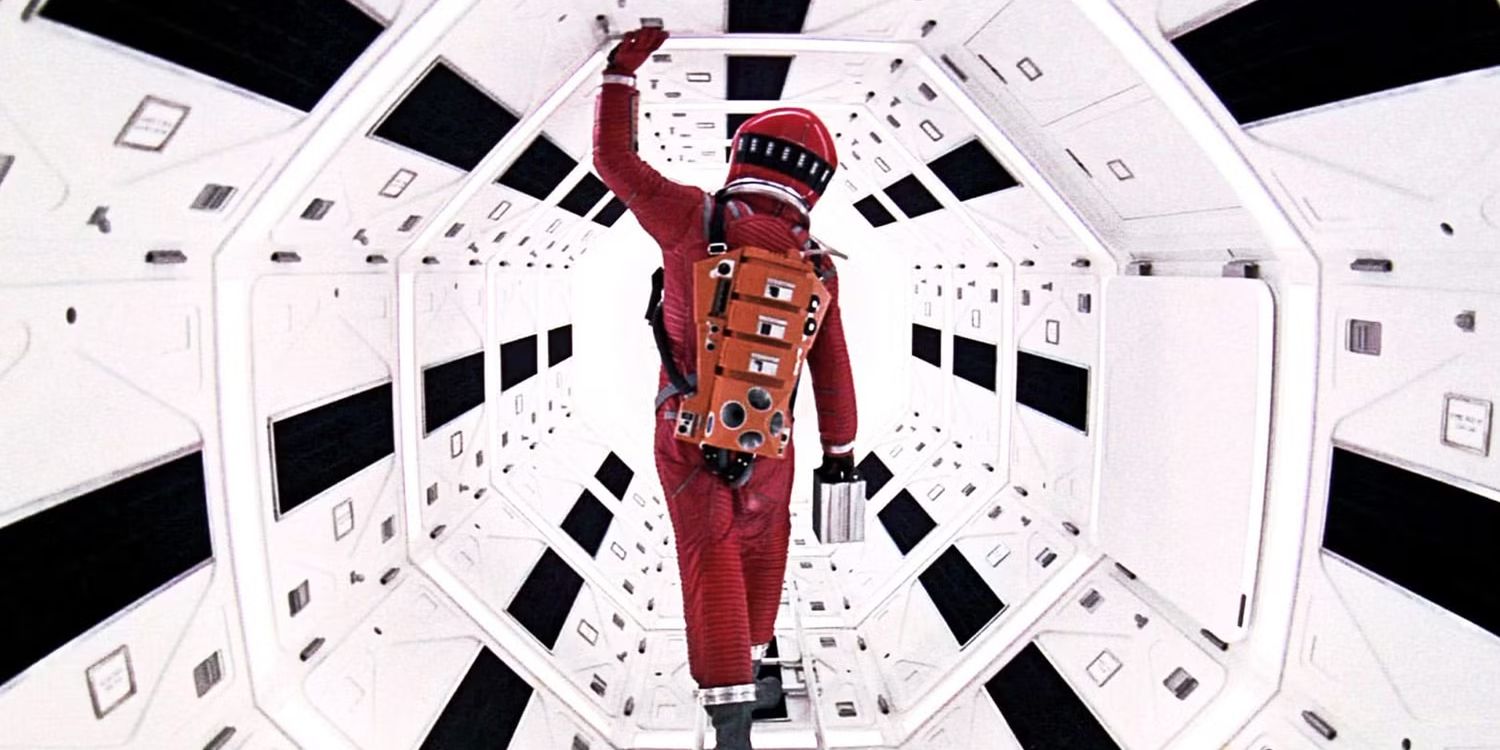
Stanley Kubrick's 2001: A Space Odyssey remains a landmark in cinema history, celebrated for its groundbreaking visuals and existential themes. However, the landscape of science fiction has evolved, giving life to remarkable films that arguably surpass Kubrick's iconic work. In this breakdown, we explore five masterpieces that challenge 2001 for the crown of sci-fi excellence.
Quick Summary
In this article, we will delve into five landmark sci-fi films released after 2001: A Space Odyssey, examining their story setups, main characters, and what makes them noteworthy in today's cinematic context.
Story Setup
1. Blade Runner 2049 (2017)
Set 30 years after the events of the original Blade Runner, this sequel directed by Denis Villeneuve continues exploring humanity's relationship with artificial intelligence. Following Officer K, a replicant who uncovers a long-buried secret, the film tackles themes of identity, empathy, and what it truly means to be human. With visually stunning cinematography and a haunting score, Blade Runner 2049 mesmerizes audiences while sparking deep philosophical questions.
2. Arrival (2016)
In this film, also directed by Denis Villeneuve, linguist Louise Banks is enlisted to communicate with alien visitors. The narrative cleverly weaves between time and explores the themes of grief, language, and the cyclical nature of time. Unlike 2001's enigmatic monoliths, Arrival invites audiences into a rich emotional journey that resonates on both an intellectual and personal level.
3. Interstellar (2014)
Christopher Nolan's Interstellar is often polarizing due to its ambitious scope involving interstellar travel and black holes. The story revolves around a group of space explorers searching for a new home for humanity as Earth faces extinction. It blends theoretical physics with deeply personal relationships, emphasizing love's role as a force that transcends time and space. Interstellar challenges the scientific boundaries that 2001 once set, making it a provocative entry in the genre.
4. The Matrix (1999)
Although it predates 2001: A Space Odyssey, the impact of The Matrix has only grown in the age of technological advancement. This film presents a dystopian future where humanity is unknowingly trapped in a simulated reality. The philosophical implications regarding perception and reality are profound, making it a dialogue-heavy piece that invokes discussions about existence itself. Its revolutionary special effects and narrative complexity have influenced countless films since.
5. Ex Machina (2014)
Ex Machina explores the intricacies of artificial intelligence and human interaction. The story follows a young programmer, Caleb, who is invited to administer a Turing test to an advanced AI named Ava. The psychological tension and ethical considerations surrounding AI provide a fresh perspective on what 2001 started. The film's intimate setting enhances its impact, presenting a relatable yet unsettling exploration of technology and consciousness.
Main Characters
In these films, the characters play a crucial role in advancing the intricate themes.
- Officer K (Blade Runner 2049): A replicant struggling to find belonging in a world that views him as less than human. His journey embodies the quest for identity.
- Louise Banks (Arrival): A compassionate linguist who faces personal loss while deciphering an alien language. Her emotional depth adds layers to the narrative.
- Cooper (Interstellar): A former pilot turned farmer, devoted to his family but also committed to saving humanity. His character illustrates the balance between personal sacrifice and greater good.
- Neo (The Matrix): A hacker-turned-savior who discovers the truth of his reality. His evolution mirrors the enlightenment journey many characters undergo in classic literature.
- Ava (Ex Machina): An AI with a consciousness that challenges what it means to be alive. Her relationship with Caleb evokes critical questions about autonomy and manipulation.
Ending or Latest Episode Explained
Based on available public metadata, details regarding the endings of these films maintain a strong emotional and intellectual impact:
- Blade Runner 2049 leaves viewers contemplating the nature of memories and what constitutes a soul, with K’s fate resonating as a poignant conclusion.
- In Arrival, Louise’s acceptance of her future loss resonates deeply, questioning whether knowledge is always a burden.
- Interstellar’s ending ties back to the intricate balance of love and sacrifice, ultimately giving hope amid cosmic despair.
- The Matrix concludes with Neo's awakening and rebellion against the machines, emphasizing choice and resistance.
- Ex Machina leaves audiences questioning the ethical boundaries of AI, with Ava's escape symbolizing a chilling possibility for the future.
What Could Happen Next
While these films stand as masterpieces in their own right, the potential for sequels or further exploration of these themes remains tantalizing.
- Blade Runner 2049 might explore K’s influence on future replicants or delve into the societal shifts that have occurred.
- Arrival opens the door for more interactions with extraterrestrial beings, continuing to uncover the mysteries of language and communication.
- A sequel to Interstellar could unravel more physics-based narratives around space exploration, probing deeper into cosmic phenomena.
- The Matrix franchise could expand on the implications of reality versus simulation in our current digital age, perhaps reflecting more contemporary issues.
- Ex Machina could inspire further stories about the evolution of AI and its integration into society, completely reshaping human interactions.
Why This Is Trending
The resurgence of interest in these sci-fi classics can be attributed to several factors:
- The ever-evolving nature of technology and its ethical implications keeps films like Ex Machina and The Matrix relevant today.
- Filmmakers and audiences alike continue to grapple with existential themes, making works like Arrival and Interstellar resonate on a personal level.
- Film festivals and online discussions surrounding science fiction keep these conversations vital and engaging, spurring debate over the narrative merits of each film compared to the venerable 2001.
Final Thoughts
While 2001: A Space Odyssey set a high bar for sci-fi cinema, newer masterpieces have emerged that not only entertain but provoke deep, complex thoughts about humanity’s place in the universe. Each film discussed presents unique perspectives that challenge traditional narratives set forth by Kubrick. As the landscape of science fiction evolves, new filmmakers continue to push the boundaries, ultimately enriching the genre for future generations. It is a renaissance for sci-fi enthusiasts, who are undoubtedly grateful for the legacy and the new stories that promise to keep questioning what lies ahead in the cosmos.