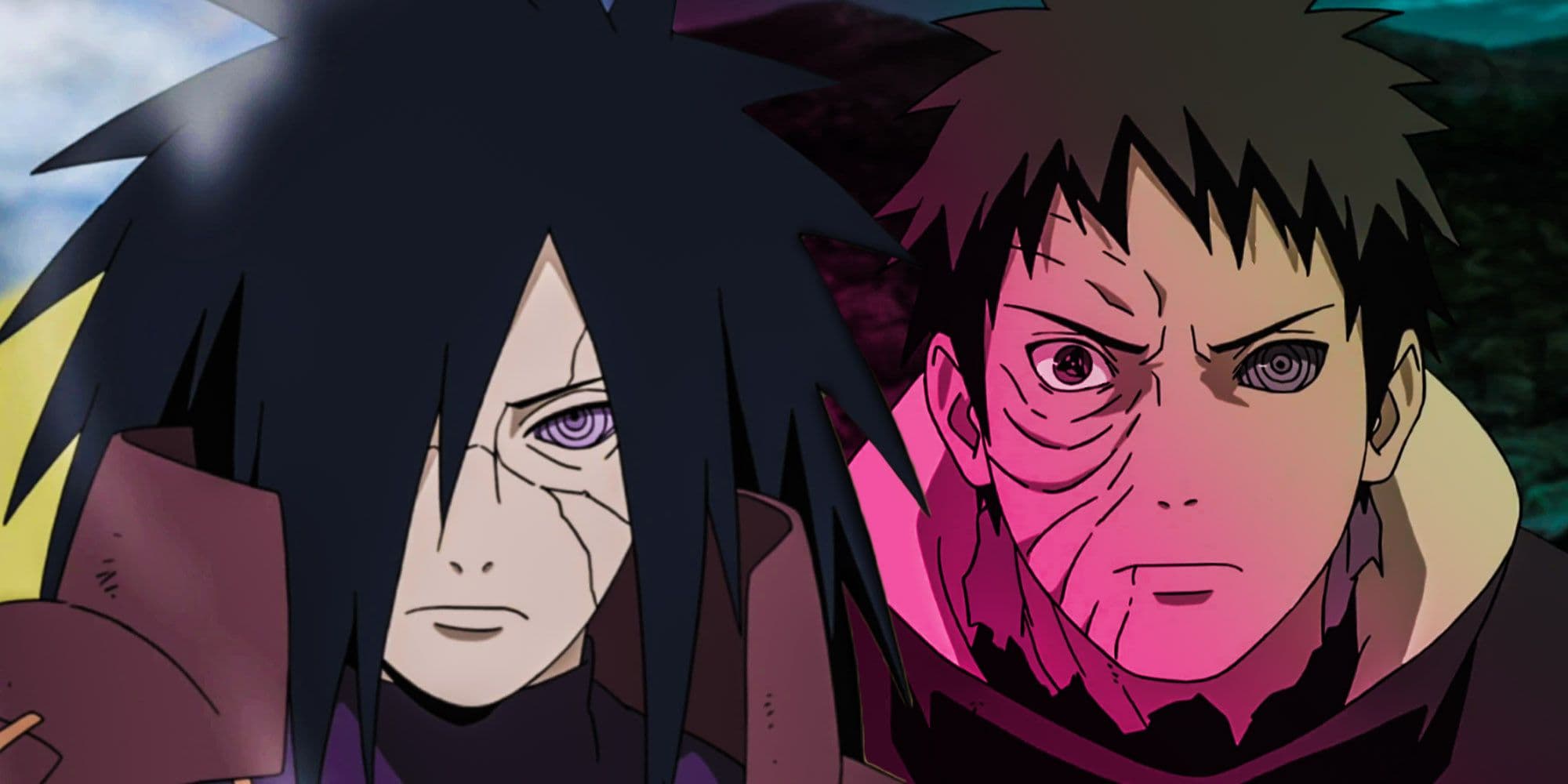
13 Years Later, Naruto Still Has The Best Villain In Shonen History, And It's Not Close
As one of the most beloved shōnen anime series of all time, Naruto has set a high bar for storytelling, character development, and particularly, its villains. While Naruto is now a decade and a half old, discussions about its influential characters, especially its antagonists, continue to spark enthusiastic debates among fans. Recently, conversations around who remains the best villain in shonen anime have resurfaced, and the consensus is clear: Madara Uchiha is unparalleled. This article digs into why, even 13 years later, Madara stands out in the crowded field of shonen villains and what that means for the genre.
Quick Summary
Madara Uchiha, a central antagonist in Naruto, is celebrated for his complex motivations, overwhelming power, and philosophical depth. His character resonates with audiences long after the series has wrapped up, solidifying his status as an unforgettable figure in anime history.
Story Setup
Naruto follows the journey of Naruto Uzumaki, a young ninja with dreams of becoming the Hokage, the leader of his village. However, the series is rich with layers, including deep ties between past conflicts and the motivations of its formidable villains. The introduction of the Uchiha clan, steeped in tragedy and ambition, sets the stage for one of the most intricate and compelling arcs in anime history. Among these clan members, Madara emerges as not just a strong fighter but a philosophical antagonist who gives weight to the exploration of themes like power, love, and betrayal.
Madara's backstory is filled with complex relationships and historical conflicts that add depth to his character. His desire for peace is crushed by violence and betrayal, leading him down a path of destruction. He seeks to impose his vision of peace by creating a world free of pain, often disregarding the lives needed to achieve that goal. This tragic framework makes Madara not just a villain but a reflection of the cyclical nature of conflict and resolution.
Main Characters
While Madara Uchiha is undeniably the standout, Naruto features a multitude of characters who enrich the story:
- Naruto Uzumaki: The determined protagonist who embodies hope and perseverance. His growth mirrors the series' themes well and ultimately leads him to confront Madara.
- Sasuke Uchiha: Madara's rival in many ways, Sasuke's personal journey of revenge and redemption against the backdrop of Madara's ideology creates stirring conflicts.
- Hashirama Senju: Madara's long-lost friend and rival, Hashirama serves as a contrasting force, embodying the kind of peace Madara seeks but pursues through violent means.
- Obito Uchiha: Madara's pupil whose journey intertwines deeply with the narrative, providing yet another layer to Madara's goals and conflicts.
These characters, alongside Madara, navigate a web of emotional and physical confrontations that portray a world where no one is entirely good or evil. Each character contributes to the overarching narrative and leads to conflict resolution, further emphasizing Madara's role as a significant villain.
Ending or Latest Episode Explained
While the series has concluded, the impact of Madara Uchiha's character lingers. The climax of Naruto features epic battles against Madara, showcasing his strategic brilliance and overwhelming strength. He challenges not only the physical capabilities of the heroes but also their ideologies, forcing them to confront deep-seated beliefs about war, peace, and the nature of happiness.
As the series wraps up, Madara’s ultimate goal—the Infinite Tsukuyomi—illustrates his twisted sense of peace, a world that comes at the cost of freedom. However, his defeat reiterates the themes of perseverance and hope that fans have come to cherish in Naruto. The conclusion serves not as a failure of Madara alone but as a reflection of the continual struggle between differing ideologies.
What Could Happen Next
Though Naruto has officially closed its chapters, the legacy of Madara continues to influence newer generations of anime villains. Discussions around potential spin-offs, adaptations, or moral reflections in new series are ongoing. Future works may touch upon similar philosophical quandaries that Madara embodied, or set the stage for new villains who will inevitably draw comparisons.
Given anime’s cyclical nature of returning to popular themes, it would be interesting to see how upcoming series respond to or evolve the archetype established by a villain like Madara. Fans will undoubtedly keep their eyes peeled for characters that resonate with Madara’s complexity in motivation and ideology.
Why This Is Trending
Fans are talking about Madara Uchiha largely due to the enduring impact of Naruto and the evolving landscape of anime. As we witness new shows entering the arena, comparisons with classic villains like Madara become a topic of discussion. Many anime enthusiasts recognize that while newer villains may showcase fresh concepts or abilities, Madara’s combination of history, philosophy, and tragic grandeur makes him a hard act to follow.
Moreover, the recent trend of revivals and remakes in the anime industry encourages viewers to reflect upon what made the originals special. Madara’s character, imbued with layers of emotional depth and formidable presence, prompts discussions on villainy that resonates with core shonen themes, which are timeless.
Final Thoughts
It's been 13 years since Naruto concluded, yet the conversations around Madara Uchiha demonstrate the profound impact he has had on the world of anime. His complexities as a villain reveal essential truths about human nature and society, prompting viewers to reflect on deeper issues beyond mere entertainment. As new series come and go, Madara remains an emblem of what makes a villain genuinely memorable, securing his place as one of the best villains in shonen history.
For long-time fans and newcomers alike, Madara Uchiha continues to be a compelling figure worth exploring, ensuring that Naruto will always be relevant in the ever-evolving narrative of anime villains.