Only 3 Movies Are Better-Written Than 'The Godfather'
Often regarded as a towering achievement in the land of cinema, "The Godfather" remains a pivotal piece in film history, not just for its captivating story but also for its masterfully woven screenplay. However, as cinematic discourse evolves, some film critics and aficionados assert that there are indeed three movies with even superior writing. In this breakdown, we will explore these films and what makes them noteworthy in the realm of screenwriting.
Quick Summary
To understand the high bar set by "The Godfather," we need to acknowledge its intricately designed narrative, memorable characters, and power-packed dialogues. Despite its iconic status, films like "All About Eve" and "Chinatown" are often cited as examples of superior writing. This article will delve deeper into these films, their impact on storytelling, and why they are hailed as exceptionally well-written.
Story Setup
The Godfather
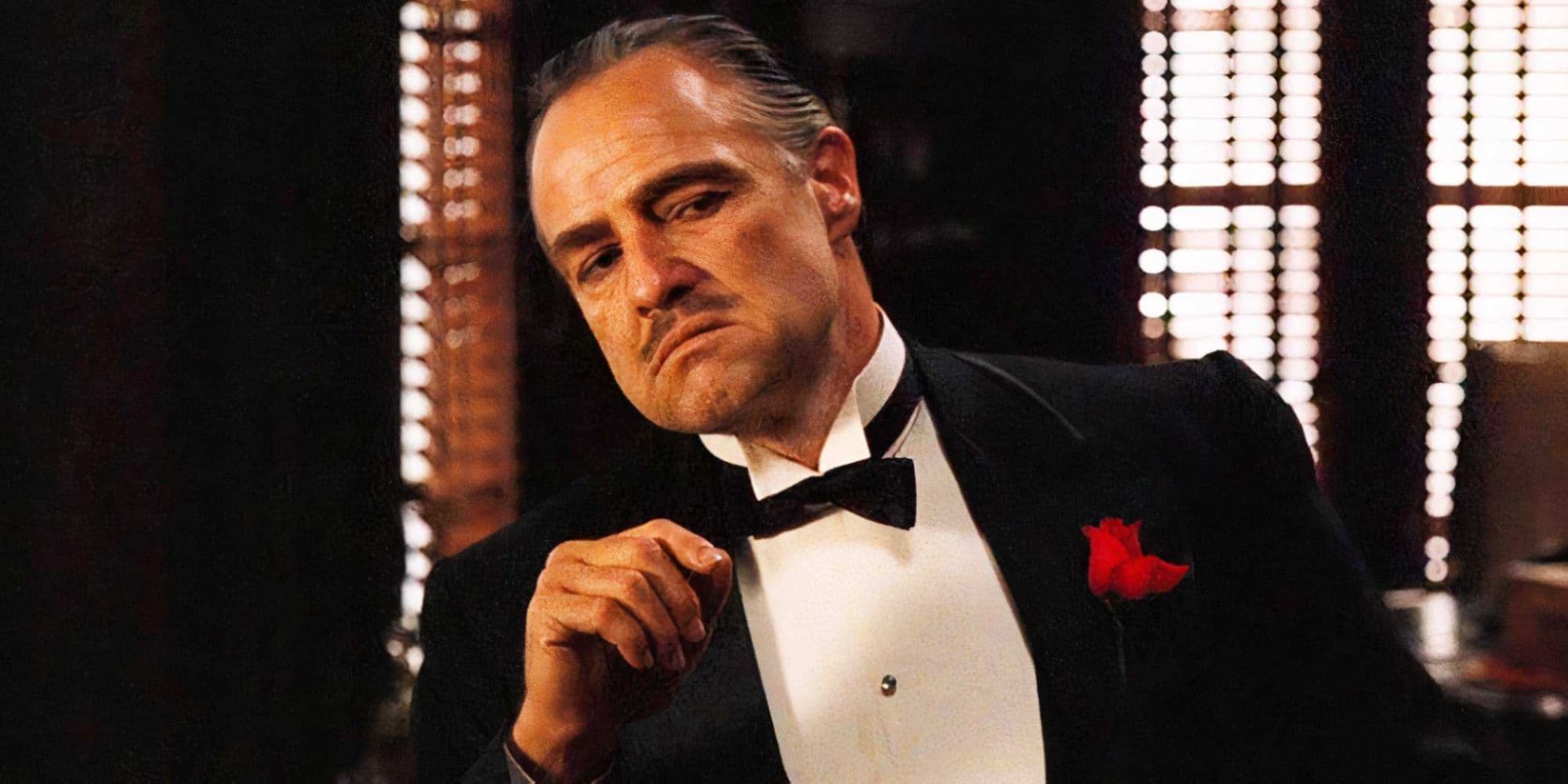
Released in 1972 and directed by Francis Ford Coppola, "The Godfather" is an adaptation of Mario Puzo's novel. It tracks the journey of the Corleone crime family, particularly focusing on the heir, Michael Corleone, portrayed by Al Pacino. The film presents a rich tapestry of family loyalty, power dynamics, and the darker underbelly of the American Dream. From the iconic opening line, "I believe in America...", to the climactic scenes, the screenplay encapsulates the essence of organized crime in America while diving deep into the complexities of familial relationships.
All About Eve
"All About Eve," released in 1950 and directed by Joseph L. Mankiewicz, challenges the world of theater and the people within it. The screenplay, known for its sharp wit and insightful dialogue, unravels the ambition and rivalry between an seasoned actress and her ambitious young counterpart, Eve Harrington. The film’s exploration of themes such as jealousy, ambition, and the fleeting nature of fame positions it as a standout in the realm of film writing.
Chinatown
Roman Polanski's "Chinatown," released in 1974, is a noir masterpiece that intertwines mystery and drama. With a screenplay penned by Robert Towne, the story centers around private investigator Jake Gittes, played by Jack Nicholson, as he unravels a complex web of deceit, corruption, and murder in the backdrop of 1930s Los Angeles. The film's dialogue and intricate plot structure not only set a new standard for the genre but also engage viewers in profound social commentary.
Main Characters
The Godfather
- Michael Corleone (Al Pacino): The reluctant heir who slowly transforms into a cold strategist determined to protect his family's legacy.
- Vito Corleone (Marlon Brando): The patriarch of the Corleone family whose steadfast principles guide the family's dealings.
All About Eve
- Margo Channing (Bette Davis): An aging actress struggling with the fear of being replaced in a youth-obsessed industry.
- Eve Harrington (Anne Baxter): A cunning young woman who maneuvers her way into Margo's life, showcasing ambition that knows no bounds.
Chinatown
- Jake Gittes (Jack Nicholson): A private detective whose simple case unravels into a larger conspiracy, reflecting the fallibility of seeking truth.
- Evelyn Mulwray (Faye Dunaway): A complex character whose involvement in the mystery reveals hidden truths about family ties and betrayal.
Ending or Latest Episode Explained
The Godfather concludes with Michael Corleone solidifying his place as the head of the family, adopting the ruthlessness necessary to safeguard his family's empire. The film closes with an iconic scene where Michael’s transformation is unmistakably solidified.
All About Eve ends with an ironic twist, leaving the audience to question the true nature of ambition and success, as Eve takes Margo's place while Margo's vulnerabilities come to light.
Chinatown leaves viewers haunted; Gittes's failure to protect those he cares for underscores the complex layers of morality and loss. The memorable line, “Forget it, Jake. It's Chinatown,” serves as a chilling reminder of the cyclical nature of corruption and power.
What Could Happen Next
As discussions rise around the merits of these films, it invites a new generation of filmmakers to draw inspiration from their storytelling approaches. We might expect future cinematic works that embrace the complex narratives and character intricacies exemplified in both "The Godfather" and its contemporaries. Furthermore, the emerging trend of remaking classic films could lead to a renaissance of storytelling that honors the original screenplays while introducing fresh perspectives.
Why This Is Trending
The debate surrounding the ultimate written masterpiece in cinema has reignited discussions in film circles, with critics and audiences alike exploring what elements constitute extraordinary storytelling. As societal norms and values evolve, so too do the criteria by which we judge cinematic excellence. The ongoing discourse about films like "The Godfather" and its competitors reflects a broader exploration of narrative depth and the impact of screenwriting on audience engagement. Furthermore, articles like the one from Collider bring these conversations into the spotlight, driving both newcomers and veterans of the filmmaking industry to reassess the legacies of these classic films.
Final Thoughts
In conclusion, while "The Godfather" remains a paragon of cinematic artistry, the existence of films like "All About Eve" and "Chinatown" provides a compelling argument for subjective film appreciation. What resonates with viewers often transcends mere plot points; it digs into the human experience, capturing emotions and truths that echo long after the credits roll. The examination of these beautifully crafted screenplays not only enriches our understanding of film as a medium but also invites us to celebrate the triumphs and complexities of storytelling in cinema. Such discussions enrich the fabric of film history and ensure that masterpieces, both classic and modern, continue to be appreciated for their narrative excellence.


