10 Scariest Stephen King Villains
Stephen King is well-known for crafting compelling horror stories filled with unforgettable villains. From supernatural entities to deeply flawed humans, his villains often leave an indelible mark on readers and viewers alike. In this article, we delve into ten of the most frightening characters invented by King, highlighting their characteristics and their roles in his various narratives.
Quick Summary
The list of King’s most terrifying villains includes iconic figures such as Pennywise from "IT," Randall Flagg from "The Stand," and Jack Torrance from "The Shining." Each of these characters embodies different aspects of fear, showcasing King’s mastery of horror.
Story Setup or Current Context
Stephen King has been a prolific author since the 1970s, with a library that spans decades. His works often explore themes of fear, sanity, and the supernatural, and are populated by villains that reveal the darker sides of humanity. King's stories are set in various contexts—rural towns, haunted hotels, and dystopian futures—each serving as a backdrop for his tormentors.
Main Characters or Key People
- Pennywise (IT): An entity that preys on children's fears, taking the form of a clown to lure its victims.
- Randall Flagg (The Stand): A manipulative figure whose connections to evil run deep, influencing events throughout the narrative.
- Jack Torrance (The Shining): A father struggling with his inner demons, ultimately succumbing to madness in a haunted hotel.
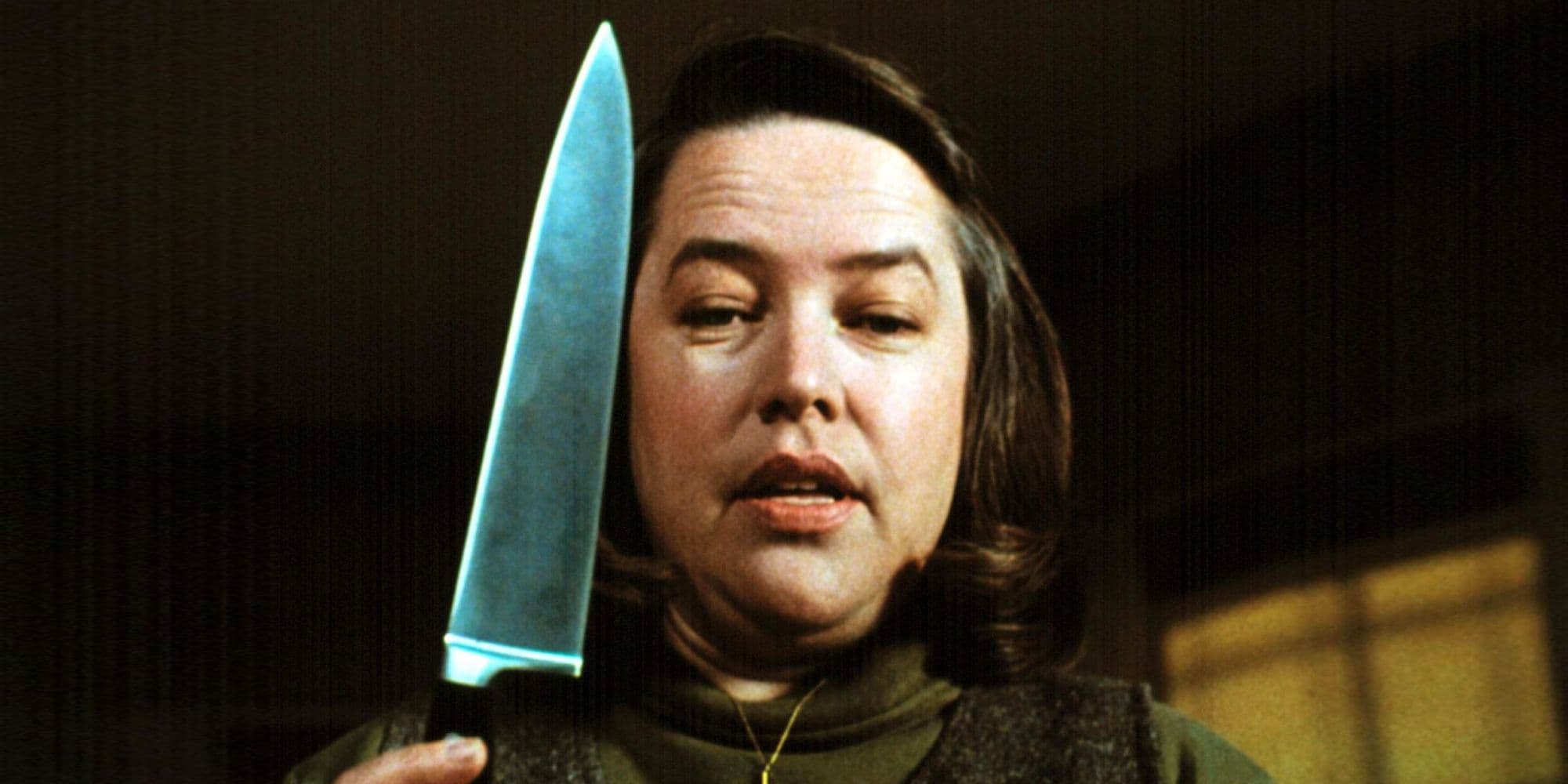
- Annie Wilkes (Misery): An obsessed fan who takes her favorite author hostage, revealing her own psychological instability.
- Carrie White (Carrie): A bullied girl who discovers her telekinetic powers, leading to a terrifying revenge.
- Cujo (Cujo): A once-friendly dog that becomes rabid and transforms into a terrifying force.
- The Overlook Hotel (The Shining): More than just a setting, this hotel itself becomes a character, influencing its inhabitants.
- Gage Creed (Pet Sematary): The resurrected child who returns with malevolent intent after a tragic accident.
- The Loser’s Club (IT): While not villains themselves, they encounter the horrific Pennywise, showcasing the battle between good and evil.
- Christine (Christine): An evil car that possesses its owner, demonstrating how obsession can lead to destruction.
Ending, Latest Episode, or Announcement Explained
Currently, discussions around King’s villains often resurface with adaptations of his works in film and television. Various adaptations, both recent and upcoming, continue to bring these characters back into the public eye, sparking conversations about their impact and the nature of fear in storytelling.
What Could Happen Next
As more of King’s stories are adapted for modern audiences, new interpretations of these classic villains may emerge. This could lead to further exploration of their psychological depths. Future adaptations may delve deeper into backstories, motivations, or even create new narrative paths influenced by contemporary fears.
Why This Is Trending
The enduring popularity of Stephen King’s works can be attributed to the relatability and depth of his villains. As society grapples with various fears—both real and imagined—King's characters resonate with many. Moreover, recent adaptations have reignited interest in his stories, prompting discussions about which of his villains is truly the scariest.
Final Thoughts
Stephen King has a unique talent for creating villains that linger in the minds of his audience. Whether they embody supernatural horrors or human flaws, King’s work forces readers to confront their own fears. Exploring these characters not only enhances our understanding of his literary contributions but also reflects the broader themes of fear and morality that resonate through his tales.
Frequently Asked Questions
Q: Who is the scariest villain in Stephen King's work?
A: This is subjective, but many consider Pennywise from "IT" to be one of the most frightening due to its embodiment of primal fears.
Q: Are there any upcoming adaptations of Stephen King’s works?
A: Several adaptations are underway, with the renewed interest in his stories leading to new films and series based on his novels and short stories.
Q: What themes do Stephen King's villains often represent?
A: King’s villains often symbolize deeper societal fears, exploring themes of madness, obsession, and the consequences of human behavior.