test
asdasd
David Chase, the visionary behind 'The Sopranos,' expresses a unique perspective on the show's portrayal of sex. This breakdown delves into what he said about the show's sex appeal and its impact on the series.
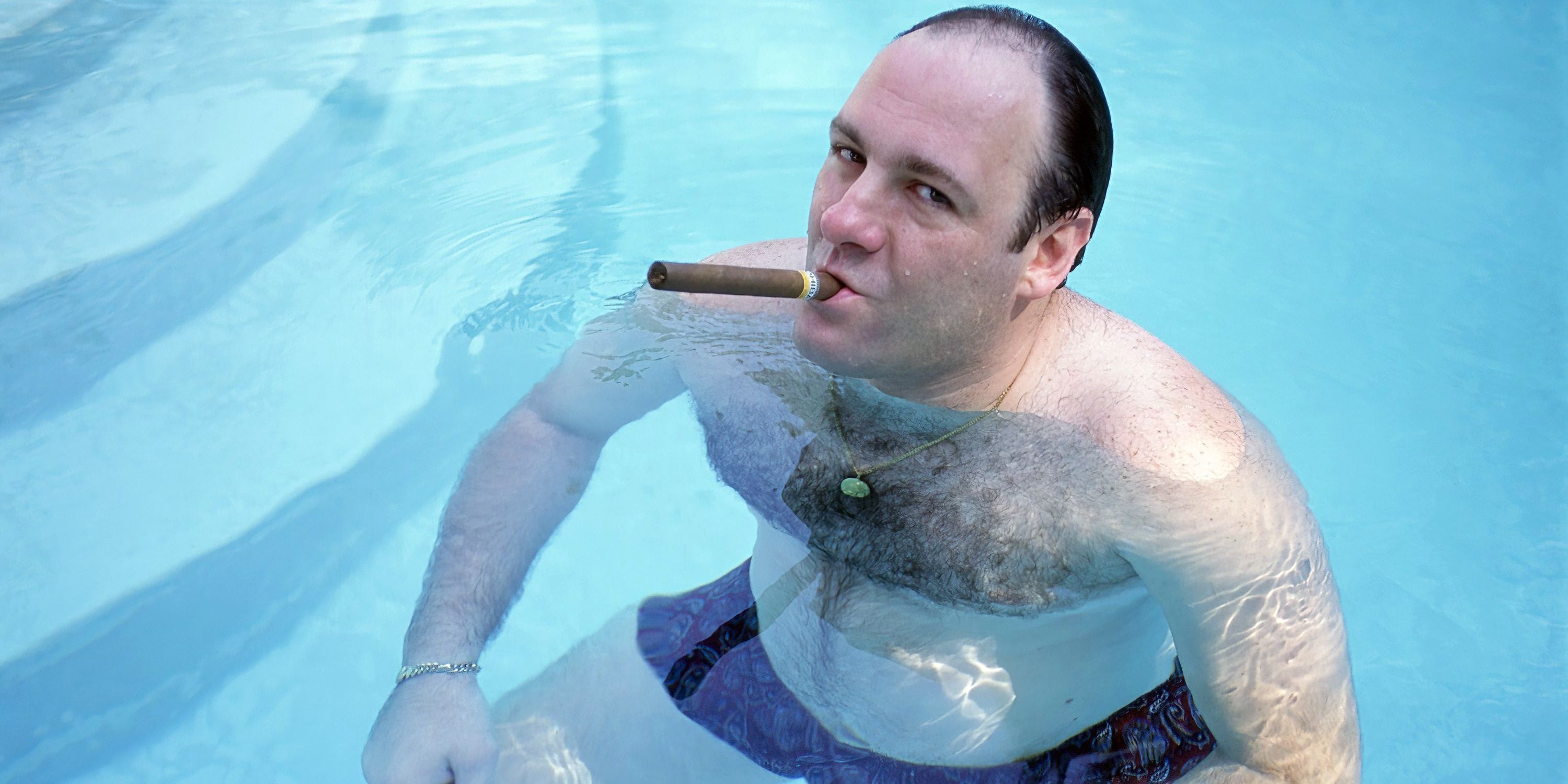
David Chase, the acclaimed creator of the monumental HBO series "The Sopranos," has stirred conversation once again. In recent comments, Chase articulated that he wishes his iconic crime drama had been less focused on its sexual elements. This revelation has sparked discussions about the series' legacy and its portrayal of various themes.
Chase's remarks highlight an intriguing perspective on the balance between storytelling and sensationalism within crime dramas. He suggests that while sex and allure play significant roles in captivating audiences, they can also detract from the authenticity and relatability of the characters. In this article, we will explore Chase's opinions, delve into the series itself, and discuss the broader implications of his statements.
"The Sopranos" follows mob boss Tony Soprano as he navigates the complexities of family life and the criminal underworld. His struggle with mental health issues adds a unique layer to the series, making it one of the most compelling and realistic portrayals of organized crime. From its inception in 1999 to its conclusion in 2007, the show captivated audiences with its intricate plots and character developments.
What many might overlook, however, is how significant the sexual elements were woven into the fabric of the narrative. The relationships depicted in the series range from starkly violent to deeply emotional, often blurred by the lines of desire, power, and betrayal. This interplay of sex and crime has made the series a hot topic since its airing.
At the heart of the series are unforgettable characters, crafted with depth and nuance:
These characters are not just archetypes; they are multidimensional, making each storyline resonate with realism. Each character's sexual relationships contribute to their development, often serving as both a vehicle for conflict and a deeper exploration of their psyches.
Given that the series concluded in 2007, Chase's comments about sex being a less prominent aspect could invite viewers to re-examine the finale and its lasting impact. The last scene of the series remains one of the most debated in television history—what happens to Tony? Did he survive the dinner at Holsten’s? The ambiguity leaves room for interpretations, much like Chase's current reflections on the role of sex in storytelling.
During the series, Tony's various relationships, from his mistresses to his wife, serve to illustrate the contradictions in his character: a man capable of love, yet capable of betrayal. For Chase, the intriguing complexity of this duality is worth retaining, even as he questions the overt sensuality that permeated the series.
While "The Sopranos" itself has concluded, the comments from Chase open the floor to speculation regarding the future of mob dramas. Could we expect a shift away from the formulaic sexualized narratives often seen in crime stories?
As audiences evolve, so too does the content they consume. Chase's candid remarks encourage creators to prioritize storytelling over sensationalism, potentially influencing upcoming crime dramas looking to carve out their own unique identity. Will future series take a cue from Chase's stance or continue to amp up the heat? Only time will tell.
Chase’s remarks have ignited interest for a few reasons. Firstly, "The Sopranos" stands as a cornerstone of modern television, and any commentary from its creator bears significance to fans and critics alike. Secondly, the topics of sexuality and realism in films and series are constantly in flux, with each era producing its own interpretations.
Chase’s perspective reflects a broader conversation about the expectations of television narratives, especially in genre series that often blend realism with excess. As viewers become more critical of how relationships are portrayed, these comments encourage a reevaluation of what viewers truly need from such series. Finally, in an industry always clamoring for the next big series, Chase’s words may inspire a shift in narrative focus that might resonate with modern-day audiences.
As we reflect on Chase's perspective, it serves as a reminder that storytelling is not merely about what entices viewers but also about how it connects with them. "The Sopranos" has left an indelible mark, and its influence continues to shape television today. The discussion initiated by Chase encourages a thoughtful examination of how sex and sexuality are integrated into complex narratives.
His wishes for a less sexy portrayal might offer food for thought for future storytellers. The legacy of "The Sopranos" remains not just in its storytelling, but in the challenging conversations it continues to invoke.
In a world clamoring for authenticity, Chase’s insights may help pave a path toward richer narratives that prioritize character depth and realism over superficial allure. It remains to be seen how this will shape upcoming crime dramas, but one thing is sure: conversations about the balance of temptation and truth in storytelling will undoubtedly persist.
Story breakdown
EpisodeBreakdown may use automated tools to assist research, drafting, and formatting. Published pages are governed by our editorial and corrections policies, and source links are shown when they are available in the article record.
Discovery source: CBR TV. The source identifies where the topic was discovered; EpisodeBreakdown is responsible for the commentary published on this page.
Reader response
Reactions and poll results are based on real reader responses. No account is required.