Spider-Noir Shows Exactly What Sony's Spider-Man Universe Should've Been Doing All Along
The appeal of superhero narratives often lies in their ability to explore complex characters and themes in unique settings. With the recent release of Spider-Noir, Sony’s Spider-Man Universe is taking a refreshing turn by focusing on standalone stories rather than the convoluted crossovers that have characterized recent films. This new direction could very well be the blueprint for what fans have been craving all along.
Quick Summary
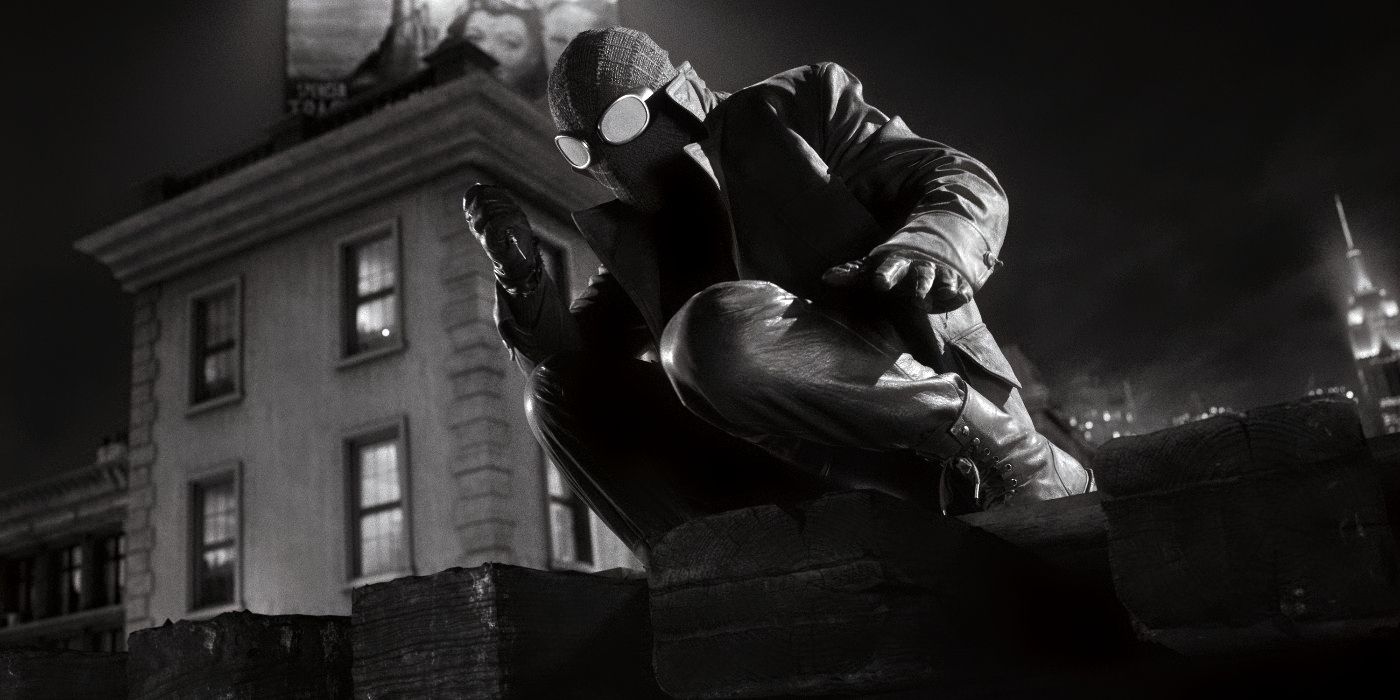
Spider-Noir centers on a darker, grittier version of Spider-Man from an alternate universe, reflecting the film noir aesthetic with striking visuals and an engaging narrative. It emphasizes character depth, engaging storylines, and a focus on moral ambiguity. In doing so, it showcases what Sony’s Spider-Man Universe has been missing in its previous endeavors.
Story Setup
Set in a stylized, gritty version of the 1930s, Spider-Noir introduces viewers to a unique version of Peter Parker who grapples with personal loss, societal issues, and the blurred lines of justice. This iteration of Spider-Man operates in a world where crime-ridden streets and shadows shape his every move. With a tone that pays homage to classic detective stories, the film draws inspiration from the comic series that first introduced spider-powered noir adventures. This thematic backdrop not only captures the essence of the Spider-Man character but also opens the door for exploration into complex themes like redemption, morality, and the nature of heroism.
Main Characters
In Spider-Noir, we meet a phenomenal cast of characters:
-
Peter Parker/Spider-Noir: The protagonist embodies the noir archetype, presenting a Spider-Man who operates under a more profound sense of duty influenced by personal trauma. This version of Peter is shaped by loss, creating a character with layers and relativity that audiences can connect to.
-
Mary Jane Watson: In this adaptation, Mary Jane is not just the love interest; she plays a vital role in Peter’s journey, providing emotional support and challenging his notions of justice.
-
The Green Goblin: This character undergoes a transformation in this universe, emerging as a more philosophical villain rather than just a physical threat. His presence raises moral questions regarding the nature of villainy and the societal structures that spawn it.
-
J. Jonah Jameson: The character serves as a foil to Spider-Noir, offering a critical perspective on heroism and the media’s role in shaping public perception. His interactions with Peter Parker add layers of complexity and tension to the narrative.
Ending or Latest Episode Explained
Based on available public metadata, let’s discuss what fans can expect as Spider-Noir unfolds. Clues suggest narratives escalate towards a dramatic confrontation between Spider-Noir and the Green Goblin, culminating in a sequence where Peter must confront both internal and external conflicts. Themes of redemption and sacrifice loom large, with potential cliffhangers that leave viewers eager for more cinematographic explorations in this unique universe.
The ending promises to encapsulate the noir aesthetic, maintaining suspense and leaving audiences within the world of Spider-Noir, hinting at rich storytelling possibilities moving forward.
What Could Happen Next
The success of Spider-Noir presents exciting avenues for the expansion of Sony’s Spider-Man Universe. Here are a few possibilities:
-
Standalone Spin-offs: Other characters from the film can be developed into their standalone projects. For instance, a deeper exploration of Mary Jane’s story could attract fans who appreciate strong, multifaceted female lead characters.
-
Crossover Potential: While Spider-Noir emphasizes standalone storytelling, the future may open doors for subtle crossovers. Perhaps featuring themes or characters from different Spider-verse iterations could tie into larger narratives without compromising the integrity of individual stories.
-
Thematic Exploration: The success of merging classic noir elements with contemporary storytelling suggests a broader thematic exploration of heroism. Future projects can delve into societal issues through the lens of various Spider-characters, appealing to diverse audience interests.
Why This Is Trending
Currently, Spider-Noir is trending for several reasons. Critical acclaim for its innovative narrative and striking visual style has drawn substantial attention. Moreover, a growing interest in character-driven stories within the superhero genre has fans rallying behind this new direction. The film embodies a shift many have been hoping for—stepping away from the formulaic approaches of previous films and exploring the rich potential of standalone tales within established worlds.
The buzz also derives from the ongoing conversations about the nature of superhero films in general. As audiences become more discerning, projects like Spider-Noir cater to a craving for depth and creativity, contrasting sharply with the often over-saturated crossover culture.
Final Thoughts
In summary, Spider-Noir is setting a new standard for Sony’s Spider-Man Universe, embodying the potential for darker, character-driven narratives that resonate with audiences. As the film navigates complex themes within its noir framework, it challenges the notion of superhero storytelling while embracing its roots. If Sony continues down this path, focusing on unique, standalone stories, it might just capture the essence of what fans have longed for—a vibrant cinematic universe with heart, depth, and originality.
With Spider-Noir’s fresh take, Sony may indeed be on the cusp of rejuvenating its cinematic identity, showcasing a world of possibilities waiting to be explored. As the popularity of the Spider-Man character continues to soar, fans eagerly await what this new chapter holds for the beloved franchise.