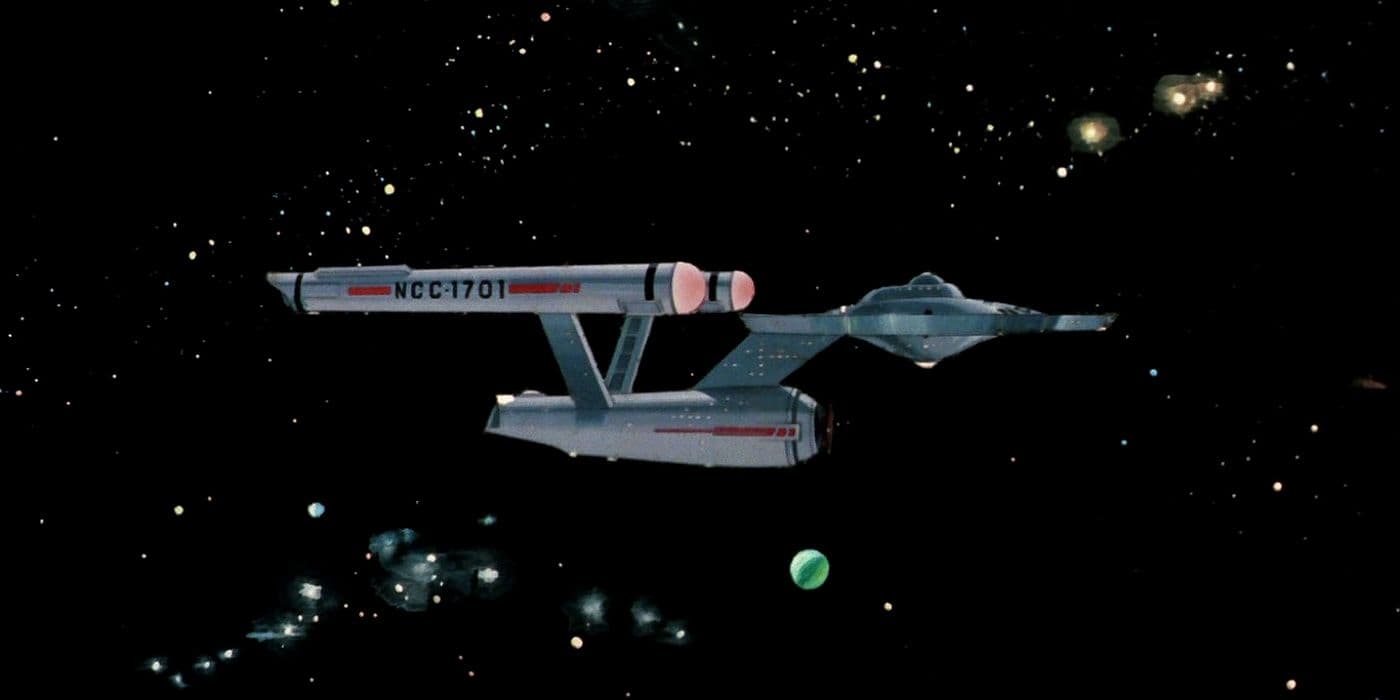
Star Trek: The Animated Series' Impact on the Star Trek Canon
Star Trek has evolved into an expansive universe, captivating audiences through various iterations of the franchise, from live-action series and films to novels and games. One intriguing chapter in this legacy is Star Trek: The Animated Series, which aired in the 1970s. Despite being deemed non-canon by series creator Gene Roddenberry, this animated show provided vital storytelling elements that would later influence the broader Star Trek universe. In this breakdown, we will explore the series' setup, characters, and implications for the future of the franchise.
Quick Summary
Star Trek: The Animated Series premiered in 1973, serving as a continuation of the original live-action series. While Roddenberry chose not to officially recognize it within the franchise's canon, the show introduced new characters, species, and stories that enriched the Star Trek lore. Today, there are ongoing discussions about its relevance, and many fans believe that its contributions deserve a place in the official timeline.
Story Setup
Set in the familiar Star Trek universe, The Animated Series continues the adventures of the starship USS Enterprise and its crew. The series features the same principal characters like Captain James T. Kirk, Mr. Spock, and Dr. Leonard McCoy, but offers unique narratives that explore themes of science fiction, philosophy, and morality — central tenets of the Star Trek ethos.
The animation medium allowed for storytelling that transcended the limitations of its live-action counterpart. Viewers experienced new worlds and exotic alien species, including the feared and magnificent Tribbles. The series' flexibility empowered writers to explore more imaginative plots and themes. However, Gene Roddenberry's dismissal made some fans question the show's contribution to Star Trek lore.
Main Characters
Much of the charm of The Animated Series comes from its familiar ensemble cast:
- Captain James T. Kirk: The iconic captain of the USS Enterprise, Kirk continues to display his bravery, resourcefulness, and charm as he leads his crew through various adventures.
- Mr. Spock: A half-human, half-Vulcan, Spock remains a logical and insightful presence, often caught between his Vulcan heritage and human emotions.
- Dr. Leonard McCoy: Often the voice of emotion and ethics aboard the Enterprise, McCoy balances Spock’s logic, offering a human perspective on the crew's dilemmas.
- Lieutenant Uhura: As one of the first Black women to appear on American television, Uhura remains a pivotal character in the Star Trek universe, showcasing competence and strength.
- Scotty: The chief engineer is known for his expertise and innovative solutions to technical challenges, often with a humorous touch.
New characters such as the computer generated entity “M-113 creature” or a dedicated communications officer provided fresh dynamics and opportunities for storytelling.
Ending or Latest Episode Explained
Considering that the availability of public metadata limits specifics about the series' last episode, it’s essential to understand that Star Trek: The Animated Series concluded its run after just two seasons. The final episode, The Counter-Clock Incident, initially hinted at the time-travel themes later explored in other series. This episode showcased the crew's adventure through time, challenging perceptions of reality and existence, and left a thought-provoking narrative typical of Star Trek's exploration of complex themes.
Despite its cancellation, the animated series did not mark the end of its cultural impact. Original series lore was enriched with exciting discoveries that would later be referenced in subsequent live-action series, contributing to the evolving Star Trek narrative.
What Could Happen Next
Given the resurgence of Star Trek’s popularity through recent projects like Star Trek: Discovery and Strange New Worlds, there is significant speculation about the potential for revisiting and acknowledging The Animated Series more officially in the canon. Given that many of its narratives and elements hold the potential for deeper exploration, it wouldn’t be surprising to see aspects of these storylines woven into new series or films.
Animations have found a new audience, evidenced by the success of Star Trek: Lower Decks, a comedic take on the franchise. As a direct descendant of The Animated Series, it could pave the way for more acknowledgments of previous animated storytelling. Fans are excitedly theorizing that characters or themes from The Animated Series might reemerge, expanding the narrative threads that create a tapestry of Star Trek storytelling.
Why This Is Trending
The conversations around Star Trek: The Animated Series are trending due to a combination of nostalgia and new perspectives on what constitutes canon within beloved franchises. As audiences dive into the lore of their favorite series, many are reevaluating how each piece fits into the larger puzzle. The emergence of streaming platforms makes it easier for new viewers to access the animated series, allowing fresh discussions about its significance to the ongoing narrative of the Star Trek universe.
Moreover, scholars and fans alike are re-examining the show's themes of diversity, inclusion, and humanism, which resonate deeply in today's socio-political climate, making its legacy even more pertinent.
Final Thoughts
Star Trek: The Animated Series may have been sidelined by its creator, but its influence continues to pervade the Star Trek universe. The stories, characters, and groundbreaking themes introduced in this series weave a rich texture that enhances the overall narrative arc. As Star Trek continues to expand into new media, there’s no denying that the animated series laid important groundwork — inviting enthusiasts to wonder what other hidden gems await recognition in the franchise. Whether officially acknowledged or not, The Animated Series remains an invaluable artifact in the ever-evolving Star Trek canon.