Star Trek's Lost Kirk Episode Finally Solved a Classic Mirror Universe Error
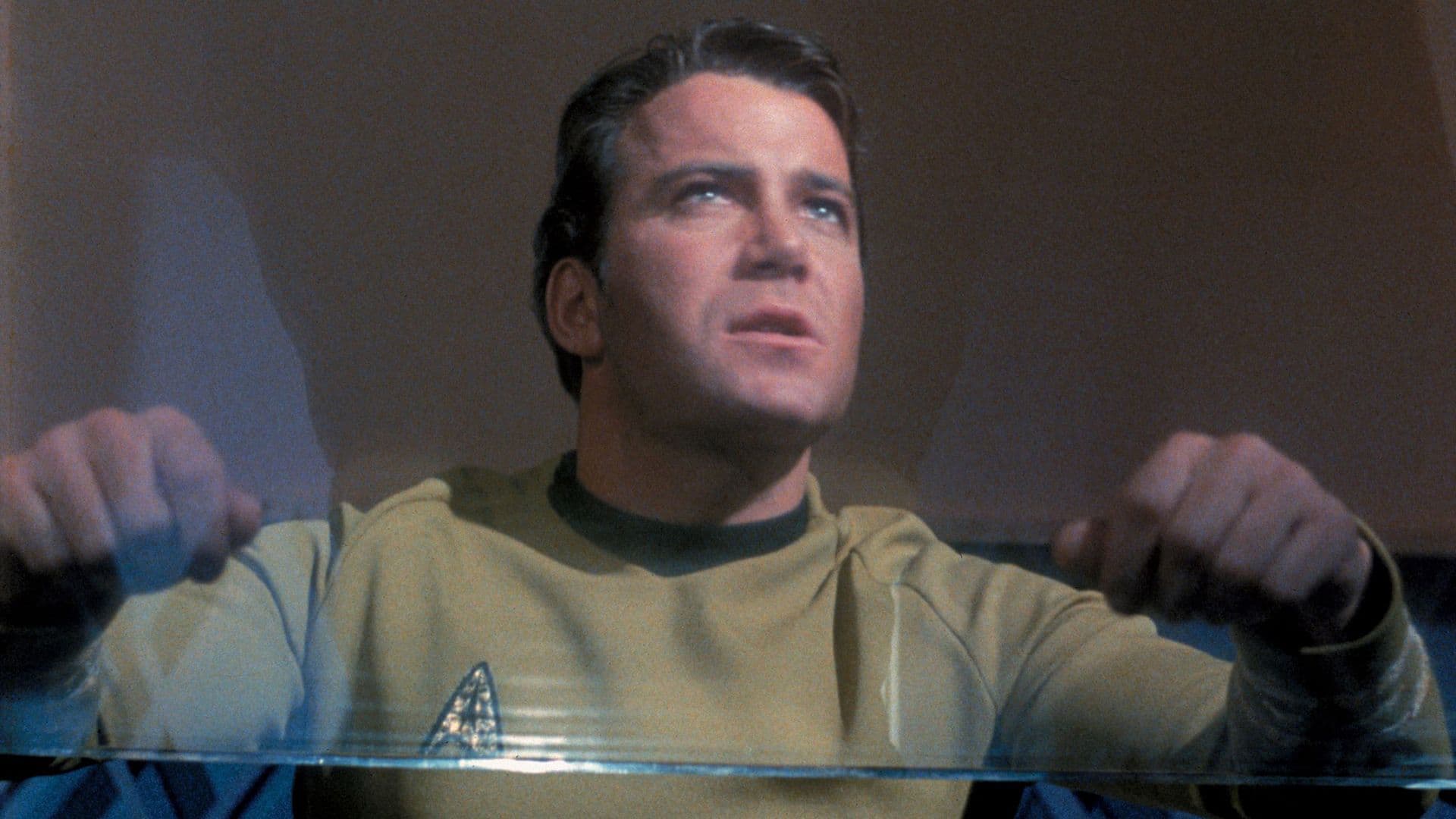
Star Trek fans are no strangers to the complex timelines and alternate realities presented throughout the series. With countless episodes spanning decades, the franchise has cultivated a rich tapestry of narratives, characters, and universes. Recently, a never-aired episode of Star Trek: Enterprise has surfaced, which proposed to bring back the legendary Captain James T. Kirk, played by the iconic William Shatner. This unearthed episode aims to address a long-standing error regarding the infamous Mirror Universe. Let's unpack the details of this thrilling revelation and what it means for the legacy of Star Trek.
Quick Summary
According to reports, an unreleased episode of Star Trek: Enterprise was conceptualized but ultimately never made it to the air. This episode, which would have featured the return of William Shatner as Captain Kirk, was intended to resolve a classic inconsistency within the Mirror Universe. The Mirror Universe is popular among fans for its darker take on familiar characters, and correcting its historical errors could bring a sense of closure to a captivating narrative thread.
Story Setup
The Mirror Universe first appeared in the original series in the episode titled "Mirror, Mirror." Here, Captain Kirk and his crew find themselves in a parallel universe where moral alignments are reversed, creating sinister versions of their beloved characters. This concept has been revisited multiple times across several Star Trek series, including Deep Space Nine and Enterprise.
The lost episode, which remains shrouded in mystery based on available public metadata, was reportedly designed to tackle lingering questions regarding Kirk’s involvement in this alternate universe's timeline. As fans know, the contradictions surrounding timelines and characters often provoke lively debates within the Star Trek community.
For instance, the motivations and actions of mirror counterparts often differ drastically, creating plot holes and inconsistencies. The unreleased episode had the potential not only to clarify these elements but also to deliver a nostalgic experience for fans eager to see Shatner reprise his iconic role.
Main Characters
While the full details remain speculative, the episode would likely have centered around key characters from Star Trek: Enterprise. This includes Captain Jonathan Archer, portrayed by Scott Bakula, who has always been immersed in his own challenges concerning leadership and morality. Archer's dynamics with Kirk would have been riveting, especially considering how different both captains approach their missions.
William Shatner's Captain Kirk would have provided a compelling contrast to Archer, as their distinct leadership styles highlight thematic differences between the generations. The episode might also have reintroduced other beloved characters, fostering nostalgia and continuity within the Star Trek universe.
Ending or Latest Episode Explained
Details on the specific plot or ending of the lost episode remain sparse. However, the crux of its narrative would likely involve Kirk seeking answers to why certain events unfolded differently in the Mirror Universe. By intertwining his original timeline with the morally ambiguous Mirror Universe antics, the lost episode could bridge gaps and provide coherence to the lore.
Kirk’s journey could have mirrored his iconic ventures—filled with moral dilemmas, the struggle for leadership, and ultimately, resolution of the duality present in the Mirror Universe. Such complexities would not only tantalize fans but could also present a thematically rich narrative worthy of the Star Trek name.
What Could Happen Next
If the lost episode were to somehow be developed into a script or even adapted into a visual format, it could pave the way for a new wave of Star Trek content, enticing both veteran fans and newcomers alike. With the recent resurgence of interest in Star Trek, fueled by new series and films, this lost episode could be a delightful springboard for future projects that explore the mysteries and challenges of the Mirror Universe.
Additionally, the discussion generated by this revelation could fuel fan theories, podcasts, and speculations about the implications of Kirk's potential return and the answers he might bring. The narrative could also lay groundwork for clever tie-ins with ongoing Star Trek series, enabling connections across timelines, characters, and universes.
Why This Is Trending
This storytelling reveal is capturing the attention of the Star Trek community and beyond, mainly due to two factors: nostalgia and continuity. The prospect of seeing William Shatner again as Captain Kirk evokes powerful emotions and memories for long-time fans of the franchise, while the proposal to clarify plot discrepancies speaks to the core of what makes Star Trek beloved. Fandom thrives on connections to past iterations of stories, and resolving a long-standing narrative inconsistency adds to that connection.
With social media buzzing about the potential implications of this lost episode, it’s no surprise that fans are eager to discuss and unpack this information at length. Articles, videos, and forum topics are already sparking conversations that explore not only the potential narrative choices presented in the episode but also what it may mean for the greater Star Trek universe.
Final Thoughts
The revelation of a lost Star Trek: Enterprise episode that aimed to correct a Mirror Universe error is a thrilling prospect for fans. While we may never see this episode in its intended form, it reinvigorates discussions about character development, narrative coherence, and the legacy of one of television’s most cherished sci-fi franchises. By addressing an inconsistency that has lingered across decades, this lost episode underscores the essence of Star Trek: exploration, curiosity, and the continual pursuit of knowledge. Whether or not we see Captain Kirk return to our screens, the conversations sparked by this revelation remind us of the profound impact of storytelling in the Star Trek universe.