Christopher Nolan’s Sci-Fi Spy Thriller Takes Over HBO Max
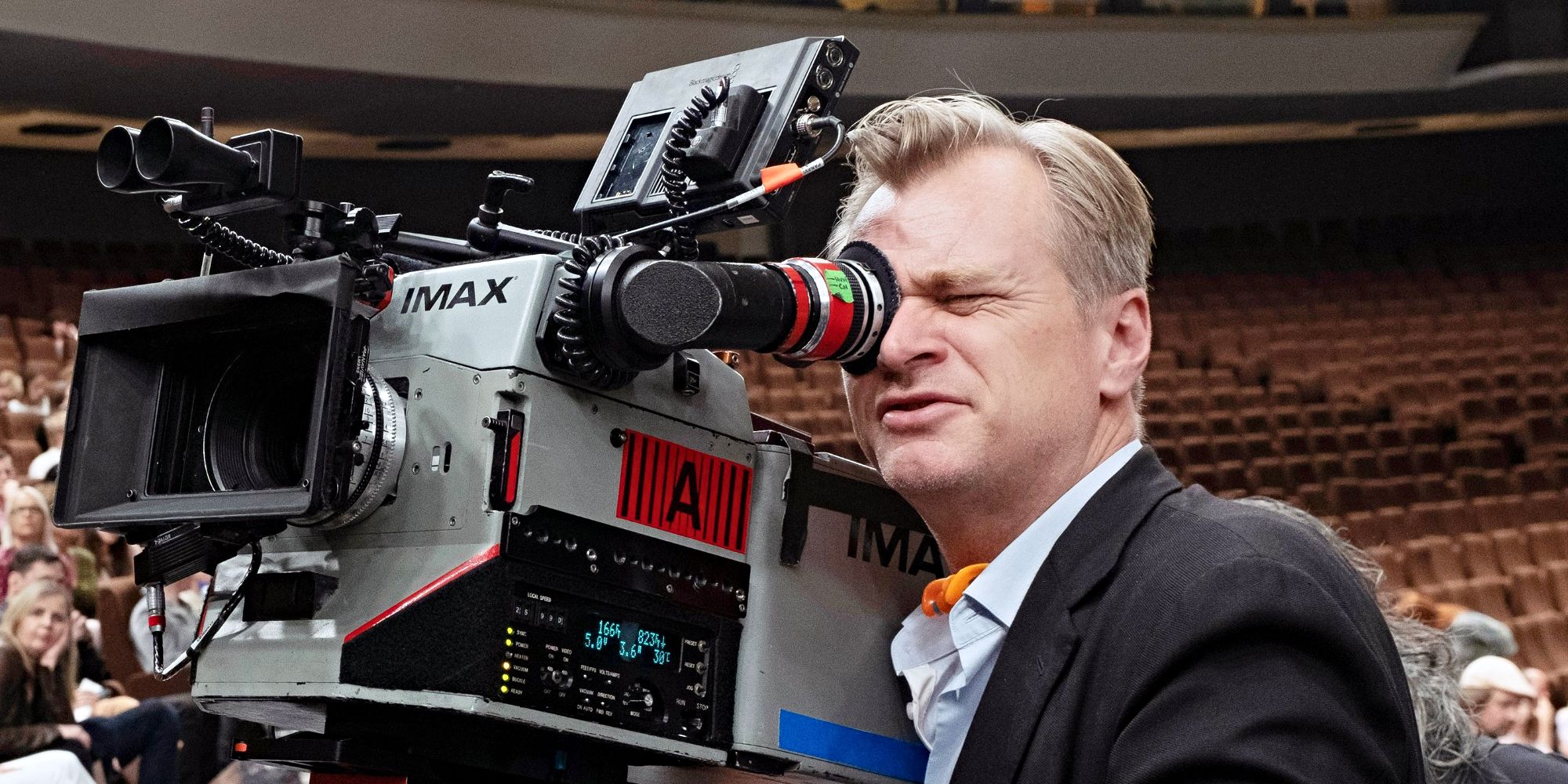
Christopher Nolan's 'Tenet' is now gaining popularity on HBO Max amid box office successes this year.
Explore the best of Stephen King's foray into the sci-fi genre with our ranking of his 20 notable books, from classics to hidden gems.
Stephen King is renowned for his mastery in horror, but his contributions to the science fiction genre are equally compelling. With a unique ability to blend psychological depth with imaginative concepts, King has crafted a diverse collection of sci-fi novels that challenge perceptions while providing captivating storytelling. In this article, we break down all 20 of his sci-fi books, ranking them based on their themes, characters, and impact. Let's dive into the strange and thrilling worlds that King has created!
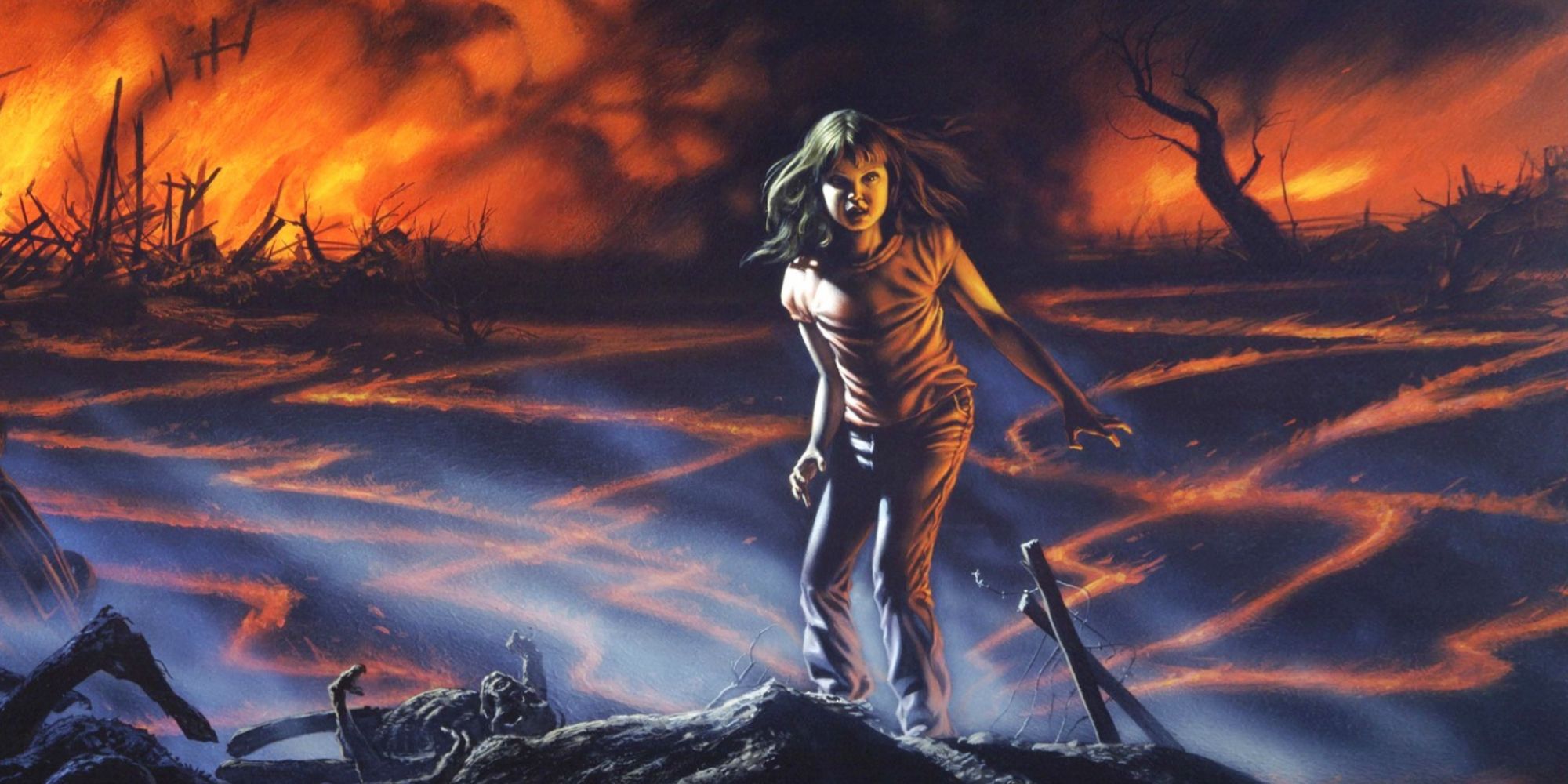
Stephen King has penned 20 novels that resonate within the sci-fi genre, showcasing his ability to merge elements of horror with speculative fiction. Notable entries include "The Dead Zone," a tale of precognition, and "Firestarter," which explores government experimentation on a young girl with psychic abilities. This ranking not only evaluates the plotlines and themes of these works but also examines the various ways they reflect societal fears and anxieties.
King’s sci-fi tales are more than just futuristic narratives; they often tap into deeper human concerns like morality, government ethics, and the human condition. Each story unfolds with its own unique premise, whether it's through the lens of alien worlds, dystopian futures, or dimensions beyond our understanding. Take, for example, "The Long Walk," set in a grim dystopian society where a group of boys must endure a deadly walking contest. The rules are simple: keep walking, or face dire consequences. This story doesn't just depict physical endurance; it serves as a commentary on society's obsession with competition.
Another classic, "The Dead Zone," follows Johnny Smith, who awakens from a five-year coma with psychic abilities. Through his encounter with various characters, the narrative explores the moral dilemmas accompanying power, especially when it involves foreseeing tragic events. Each of King's sci-fi novels provides an unsettling atmosphere, often inviting readers to ponder their own morality and choices in deeply complex situations.
The characters in King’s sci-fi novels are often flawed, relatable, and richly developed. They represent a spectrum of human experiences, making them a focal point of the story. In "Firestarter," we meet Charlie McGee, a young girl grappling with her telekinetic abilities while on the run from a government trying to exploit her powers. Charlie's internal struggle highlights the innocence of childhood amidst a backdrop of fear and exploitation.
In contrast, characters in "The Tommyknockers" delve into the intoxicating power of alien technology, illustrating how the pitfalls of ambition and obsession can lead to destructive ends. The dynamics between characters and their environments significantly drive the plot forward, giving readers an immersive experience.
While we can't pinpoint the exact ending of every story due to the broad range of narratives, King's work is known for its surprising twists and often ambiguous conclusions. For instance, in "The Mist"—not exclusively a sci-fi title but certainly intertwined with the genre—the ending leaves readers grappling with deep existential questions about survival and humanity. King tends to favor endings that provoke thought, rather than provide tidy resolutions, forcing his audience to engage with the implications long after the final page.
As fans anticipate the next adaptations of King’s works, the potential for exploring his sci-fi novels remains ripe. The growing interest in serialized TV formats and cinematic adaptations could mean that more of his intriguing tales will come to life. Series like "The Stand" and "Lisey's Story" have proven successful, creating opportunities to reimagine some of his lesser-known books.
Could we see a remake of "The Tommyknockers" or perhaps a deep dive into "The Long Walk"? Given current trends in adapting established works, there's considerable promise for cinematic journeys into the depths of King's imagination, where societal commentary is woven into every twist and turn of the plot.
Stephen King remains a potent figure in contemporary literature; his works often resonate with the fears and aspirations of modern society. The ongoing fascination with his sci-fi tales stems not only from their thrilling narratives but also from their reflection of our cultural landscape. As technology evolves and humanity grapples with ethical dilemmas, stories that explore these themes become increasingly relevant. His novels prompt readers to contemplate abstract concepts like humanity's relationship with technology and the ethics of scientific advancements, making them ageless offerings.
Furthermore, the current uptick in reboots and adaptations has reignited interest in King’s stories. With this renewed focus, fans are eager for deeper analyses and rankings of his expansive bibliography, making our ranking of his sci-fi works timely and significant.
Ranking Stephen King’s sci-fi books is no small task, given the breadth of his oeuvre. Each novel adds a critical layer to the ever-evolving tapestry of science fiction, combining the thrilling with the thought-provoking. Whether you’re a long-time King fan or new to his work, these 20 novels offer a glimpse into the multifaceted world of a master storyteller unafraid to explore the dark corners of the human psyche within science fiction. While protagonists fight their battles against oppressive regimes or internal moral dilemmas, readers are left to ponder the greater questions of life, making King’s narratives timeless classics that will continue to engage and provoke.
Entertainment news
EpisodeBreakdown may use automated tools to assist research, drafting, and formatting. Published pages are governed by our editorial and corrections policies, and source links are shown when they are available in the article record.
Discovery source: Collider. The source identifies where the topic was discovered; EpisodeBreakdown is responsible for the commentary published on this page.
Reader response
Reactions and poll results are based on real reader responses. No account is required.