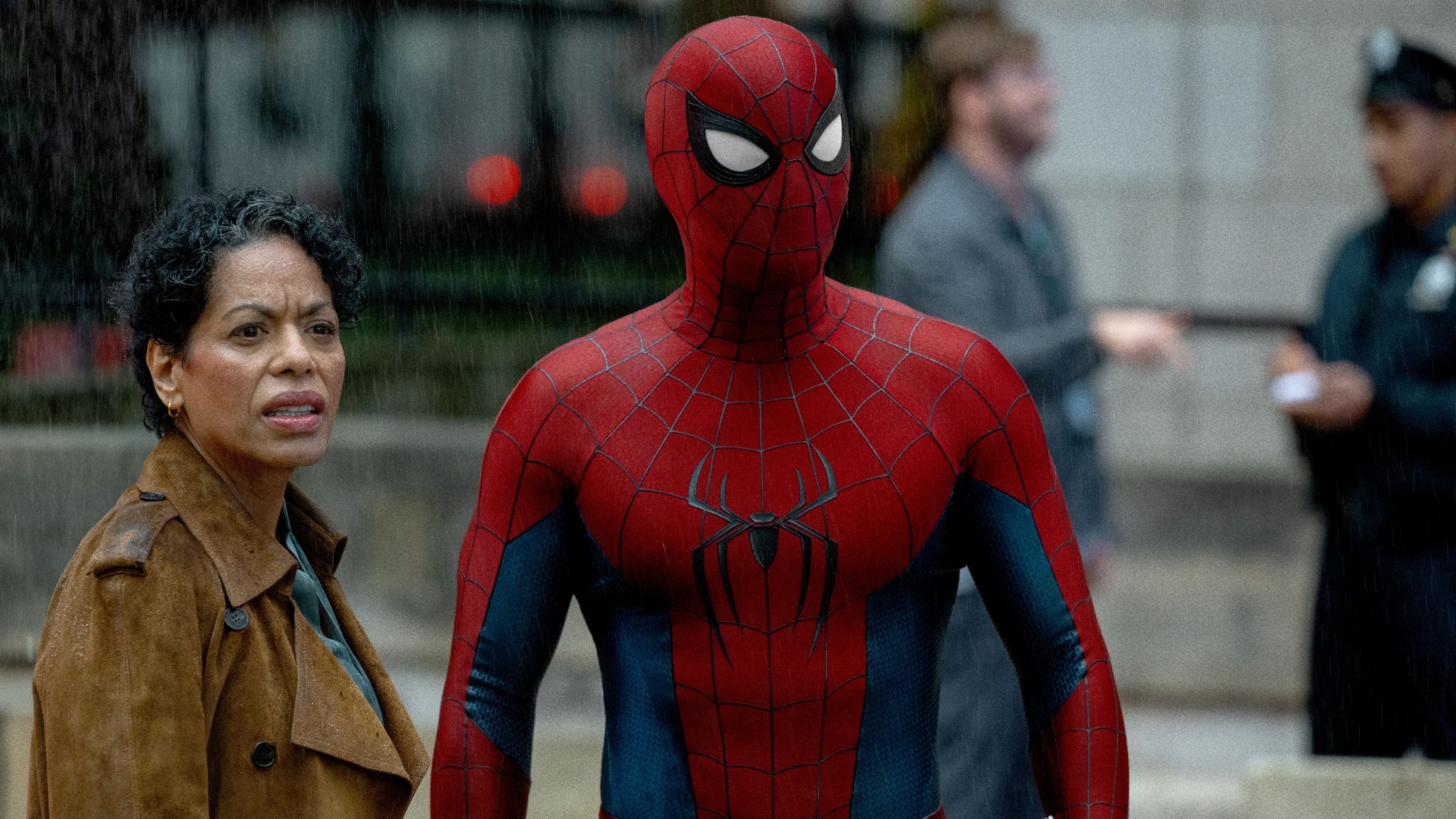
8 Key Questions Spider-Man 5 Must Address After Brand New Day
Explore the crucial questions left by Spider-Man: Brand New Day and how they shape the future of the franchise.
Dive into the mesmerizing world of cyberpunk literature, exploring timeless classics that blend high technology with dystopian societies.
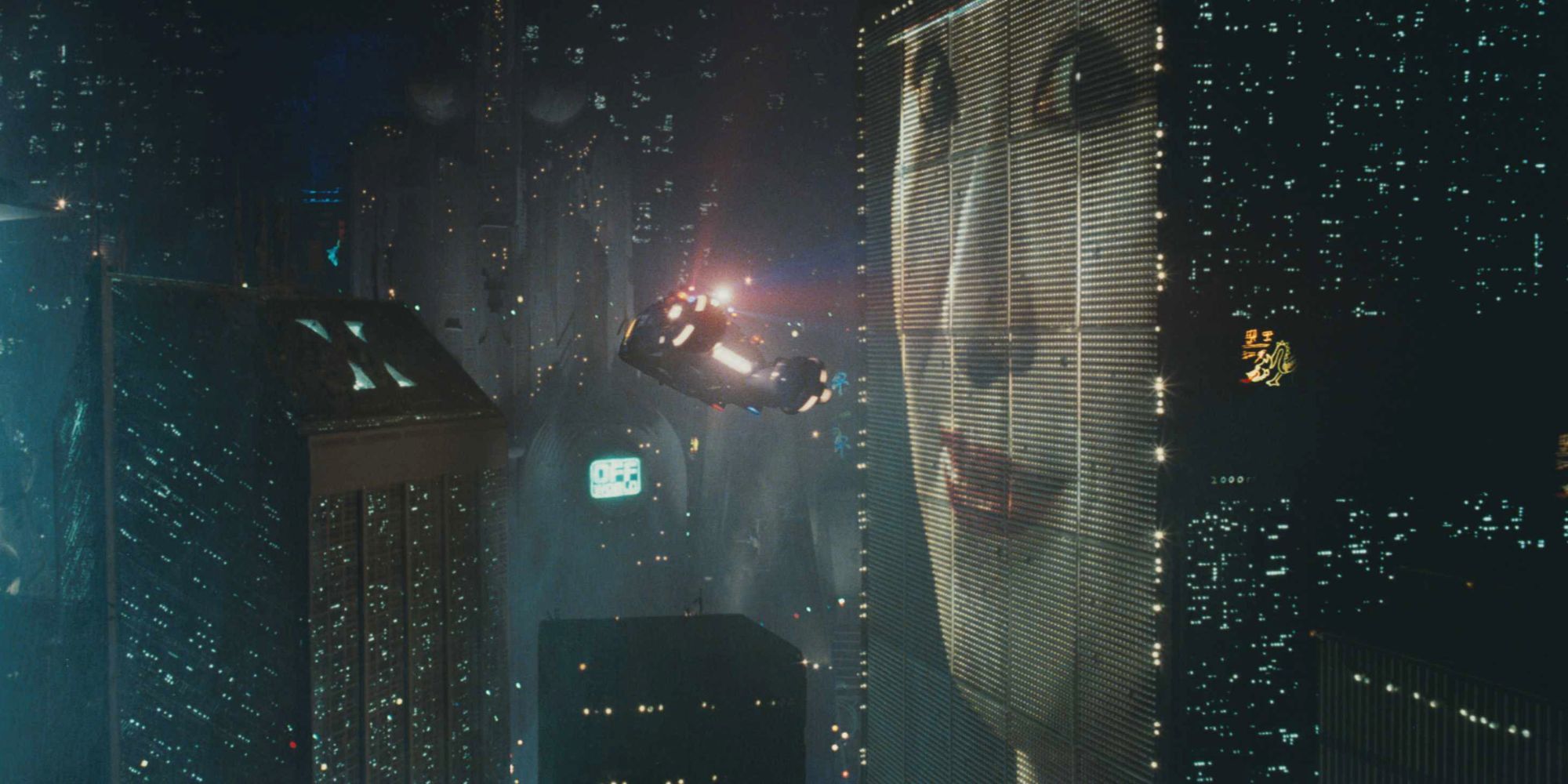
Cyberpunk, the gritty sub-genre of science fiction often described as a blend of "lowlife and high tech," has captured the imagination of readers and creators alike. This fascinating genre delves deep into dystopian landscapes filled with advanced technology, social upheavals, and profound existential themes. In this breakdown, we explore the ten greatest cyberpunk books ever written, their impact on the genre, and what they mean in today’s context.
From the neon lights of a futuristic Tokyo to the crumbling urban infrastructures of near-future societies, each of the top-ten cyberpunk books challenges norms and asks pressing questions about humanity and technology. With each story, readers are transported into imaginative worlds that feel both unnervingly realistic and chillingly distant from their own.
Cyberpunk narratives typically combine advanced technological innovations—like AI and cybernetics—with futuristic urban decay and societal struggles. Since the genre emerged in the early 1980s, notable works have helped define its aesthetic and thematic components, featuring antiheroes, corporate overlords, and the underclass using technology to survive. This style of storytelling brings forth philosophical inquiries surrounding identity, consciousness, and the implications of technological advancement.
The protagonists of cyberpunk novels often find themselves in morally ambiguous situations. They display traits that resonate with readers, including skepticism towards authority, resourcefulness, and a quest for self-identity. Common archetypes include hackers, bounty hunters, and streetwise rebels.
For instance, in William Gibson's seminal novel Neuromancer, we meet Case, a washed-up console cowboy afflicted by a dystopian world ruled by powerful corporations. Blog post characters like Molly Millions bring a strong female presence to cyberpunk, combining brute strength with a ferociously independent spirit. Other well-known characters, such as Ralfi Face in Snow Crash and Hiro Protagonist from the same work, also highlight the complexity and richness often found in cyberpunk literature.
As the genre's various books often don’t conform to traditional narrative arcs, their endings can be decidedly ambiguous, leaving readers with more questions than answers. In books such as Do Androids Dream of Electric Sheep?, the conclusion doesn’t merely tie up plot threads but provokes deeper reflection on what it means to be human. The impact of escaping an oppressive regime, survival against overwhelming corporate power, and the moral dilemmas presented by technology resonate long after the story concludes.
For many of these works, it’s not about reaching a destination but exploring the journey itself—what it reveals about society and humanity's future. Themes of disconnection, alienation, and existential crises are deeply woven into the narrative fabric.
Many new adaptations and reinterpretations of classic cyberpunk novels may breathe new life into the genre, especially with recent cinematic successes. While speculative takes on the effects of technology on future societies are deeply woven into the genre's fabric, we can expect new themes to emerge as technology accelerates and new ethical dilemmas arise.
With films and series continuing to be inspired by these novels, there’s potential for a more extensive exploration of cyberpunk themes in various forms of media. The intersection of cultural commentary, technological fears, and socio-political dynamics is ripe for analysis, making the genre increasingly relevant as we navigate our own technologically-driven world.
The rise of interest in cyberpunk literature correlates strongly with contemporary societal anxieties regarding privacy, digital surveillance, and the ethical implications of technological advancement. High-profile discussions surrounding issues like AI, data ownership, and personal freedom echo the themes present in seminal cyberpunk works. Furthermore, the glossy, hyper-futuristic aesthetic of cyberpunk has influenced pop culture, from video games to movies, reviving interest in the books that started it all.
Major platforms and streaming networks have also been developing shows and films inspired by classic cyberpunk stories, which in turn fuels a resurgence of interest in the source material. These adaptations allow seasoned fans and newcomers alike to experience the themes and ideas that have captivated readers for decades.
In addition, with the growing trend of visual storytelling in the form of animated series and graphic novels, many find themselves discovering previously underappreciated narratives that deserve fresh interpretations.
Cyberpunk literature serves as a mirror reflecting society's fears and hopes about technology and its ramifications on humanity. The leading books in this genre offer rich narratives embedded with profound questions about identity, power, and the future of civilization itself. As new audiences continue to engage with these works through various media, their relevance only deepens. Exploring the ten greatest cyberpunk books of all time provides both a nostalgic look back and a forward-thinking glimpse into what narratives may emerge next in this ever-relevant genre.
In conclusion, whether you’re a longtime fan or a new reader eager to dive into the world of cyberpunk, these ten literary giants offer an essential foundation that continues to shape the landscape of science fiction today.
Movie explanation
EpisodeBreakdown may use automated tools to assist research, drafting, and formatting. Published pages are governed by our editorial and corrections policies, and source links are shown when they are available in the article record.
Discovery source: CBR Movies. The source identifies where the topic was discovered; EpisodeBreakdown is responsible for the commentary published on this page.
Reader response
Reactions and poll results are based on real reader responses. No account is required.