The 50 Saddest Anime of All Time: Emotional Journeys and Heartbreaking Tales
In the diverse realm of anime, there exists a subset that resonates deeply with viewers, evoking tears and stirring emotions. As emotions are a central theme in storytelling, many anime series and films tackle complex subjects, exploring loss, trauma, and the sheer weight of human experience. Whether it’s through heart-wrenching turmoil or poignant character development, certain anime stand out for their ability to guide audiences through a bittersweet experience. The list titled "The 50 Saddest Anime of All Time" highlights these impactful pieces, making waves in the anime community.
Quick Summary
This article delves into the emotional depth of select anime titles, showcasing how they effectively portray sadness and heartbreak. By examining various series—from classic heart-wrenchers to modern gems—the discussion reveals what evokes such powerful emotions. Titles like Banana Fish, Elfen Lied, and numerous others are mentioned, solidifying their place in the annals of sad anime history.
Story Setup
What constitutes sadness in anime? Surely, it depends on individual experiences and backgrounds. However, the most effective tragic narratives share common elements—complex characters, juxtaposition of hope and despair, and often, a harsh confrontation with reality.
For instance, Banana Fish presents a gripping story that intertwines friendships with dark undertones, while Elfen Lied unearths themes of isolation, acceptance, and the battle against one’s nature. These plots invite viewers to share the burden of sadness that the characters bear, creating a deeper connection with the audience.
The emphasis on real-world issues like mental health struggles, societal rejection, and personal loss within these narratives adds layers of emotional weight, enabling fans to reflect on their own lives and hardships through the experiences of the characters.
Main Characters
The emotional impact of these anime often hinges on their well-crafted characters. In productions like Clannad, we witness the growth and struggles of Tomoya and Nagisa as they navigate love and loss within their family dynamics. Similarly, Your Lie in April introduces Kōsei, whose life takes a dramatic turn as he grapples with the haunting memories of his past while discovering a newfound passion through music.
Characters like Ash Lynx from Banana Fish deal with the consequences of a traumatic past while attempting to forge connections in a tumultuous world. Each character's journey is a reflection of resilience and heartache, invoking empathy from the viewers who invest in their stories.
Ending or Latest Episode Explained
Specific endings in sad anime series tend to leave lasting impressions. Rather than offering neatly tied conclusions, they often challenge expectations by embracing ambiguity or tragedy. For example, the ending of Elfen Lied illustrates the futility of escaping one's nature, leaving fans contemplating the implications of love intertwined with violence.
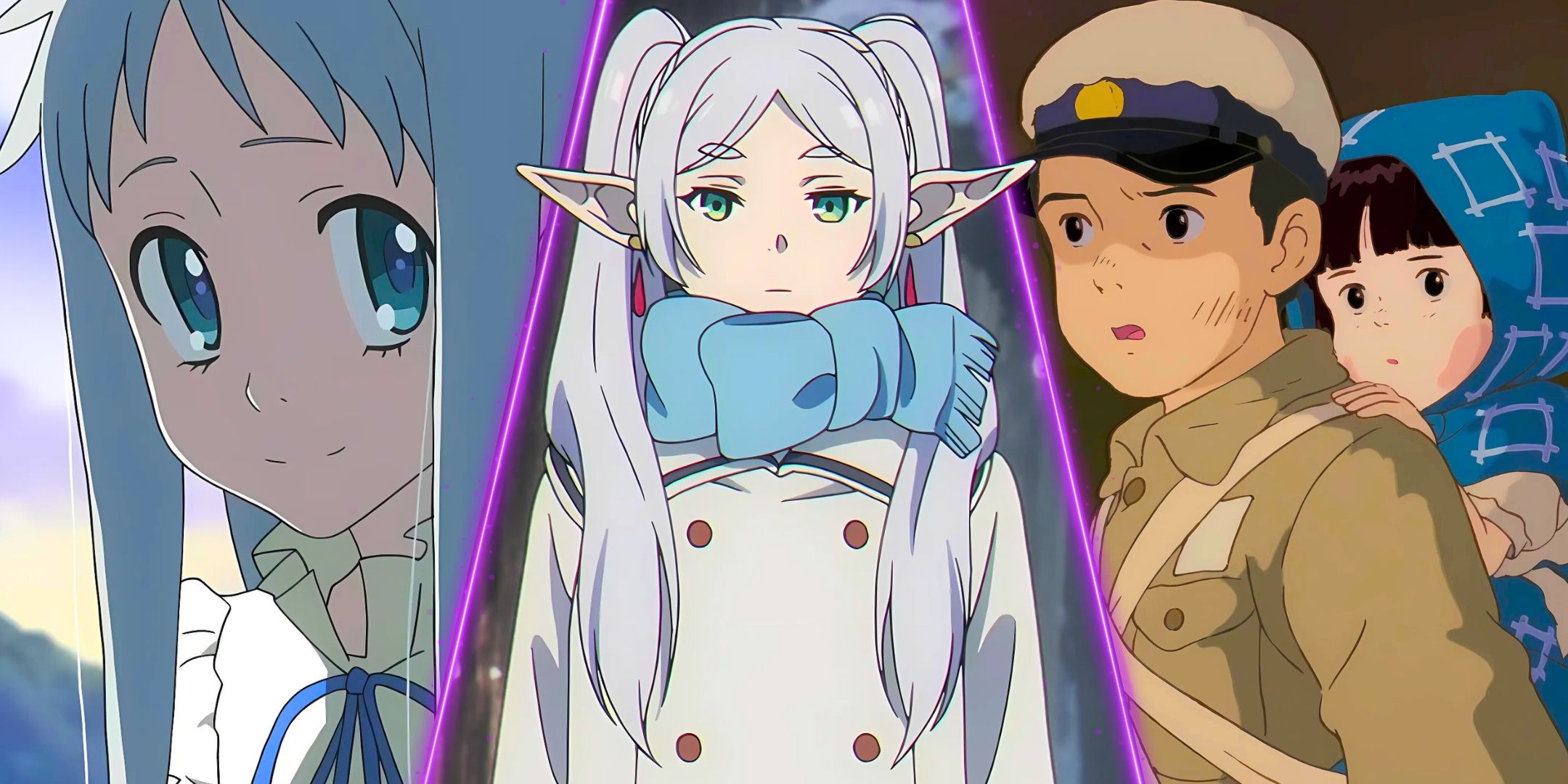
In contrast, shows like Anohana: The Flower We Saw That Day resolve with a sense of closure, albeit bittersweet. The characters learn to move forward while cherishing those they’ve lost, resonating profoundly with anyone who's experienced grief. This balancing act between hope and despair is a hallmark of successful emotional storytelling, contributing to why these series stay with viewers long after the story concludes.
What Could Happen Next
As discussions surge surrounding the thematic elements explored in these sad anime, many fans speculate on new releases or adaptations that could carry similar emotional weight. With rising interest in deep narratives, it's plausible that creators will continue to explore similar themes in future series. Could we see adaptations of heart-wrenching manga? Or, perhaps new original stories that challenge us to confront our own emotional thresholds? The future remains bright for fans looking for more meaningful content.
Additionally, the anime industry is continuously evolving, and audiences are increasingly supporting creators who bring forth genuine and heartfelt stories. There’s a growing acceptance within the fan community surrounding narratives that embrace sadness, encouraging further exploration of these often-overlooked themes.
Why This Is Trending
The reason The 50 Saddest Anime of All Time is generating buzz among fans stems from its relatability and continued relevance in discussions about emotional storytelling. In a world where mental health and emotional awareness are increasingly gaining recognition, anime serves as a crucial medium to explore these themes—providing both comfort and challenge to viewers.
Conversations ignite as fans share personal anecdotes tied to these narratives and how they’ve influenced their lives. Social media platforms buzz with recommendations and discussions surrounding these anime, creating a tight-knit community still reflecting on the emotional turmoil experienced alongside the characters.
Moreover, the ongoing discussions are leading to a resurgence in interest around older titles that may not have received as much attention after their initial releases.
Final Thoughts
In conclusion, the exploration of sadness in anime is a testament to the medium's capacity for emotional storytelling. Through richly developed characters and poignant narratives, anime like Banana Fish and Elfen Lied have secured their places in our hearts and minds. As fans continue to delve into these emotional journeys, it's evident that the impact of these stories transcends entertainment, inviting expression, empathy, and most importantly, connection. The discussion ignited by the article is not just a reflection of sadness in art but rather an embrace of the human experience in all its diverse emotional facets.
As viewers, we are not only reminded of the importance of these narratives but also encouraged to confront our emotional complexities—ultimately acknowledging that sadness, like any other emotion, is an integral part of the human experience.