The Lord Of The Rings: A New Era Begins
For over seventy years, the cinematic universe of The Lord of the Rings has captivated audiences with its rich storytelling, unforgettable characters, and stunning visuals. From J.R.R. Tolkien's original works to Peter Jackson's epic film trilogy, this franchise has remained a staple of fantasy entertainment. However, recent developments indicate that a major transformation is on the horizon, marking a franchise first that could redefine how fans experience Middle-earth.
A Legacy Like No Other
Since its inception, The Lord of the Rings has been synonymous with high-quality filmmaking and storytelling. The 2001-2003 film trilogy brought Tolkien's world to life in ways previously thought impossible, earning critical acclaim and box office success. The franchise has since expanded with The Hobbit trilogy, various animated adaptations, and even a successful TV series. Yet, despite its evolution, the core essence of the franchise has remained consistent.
Breaking New Ground
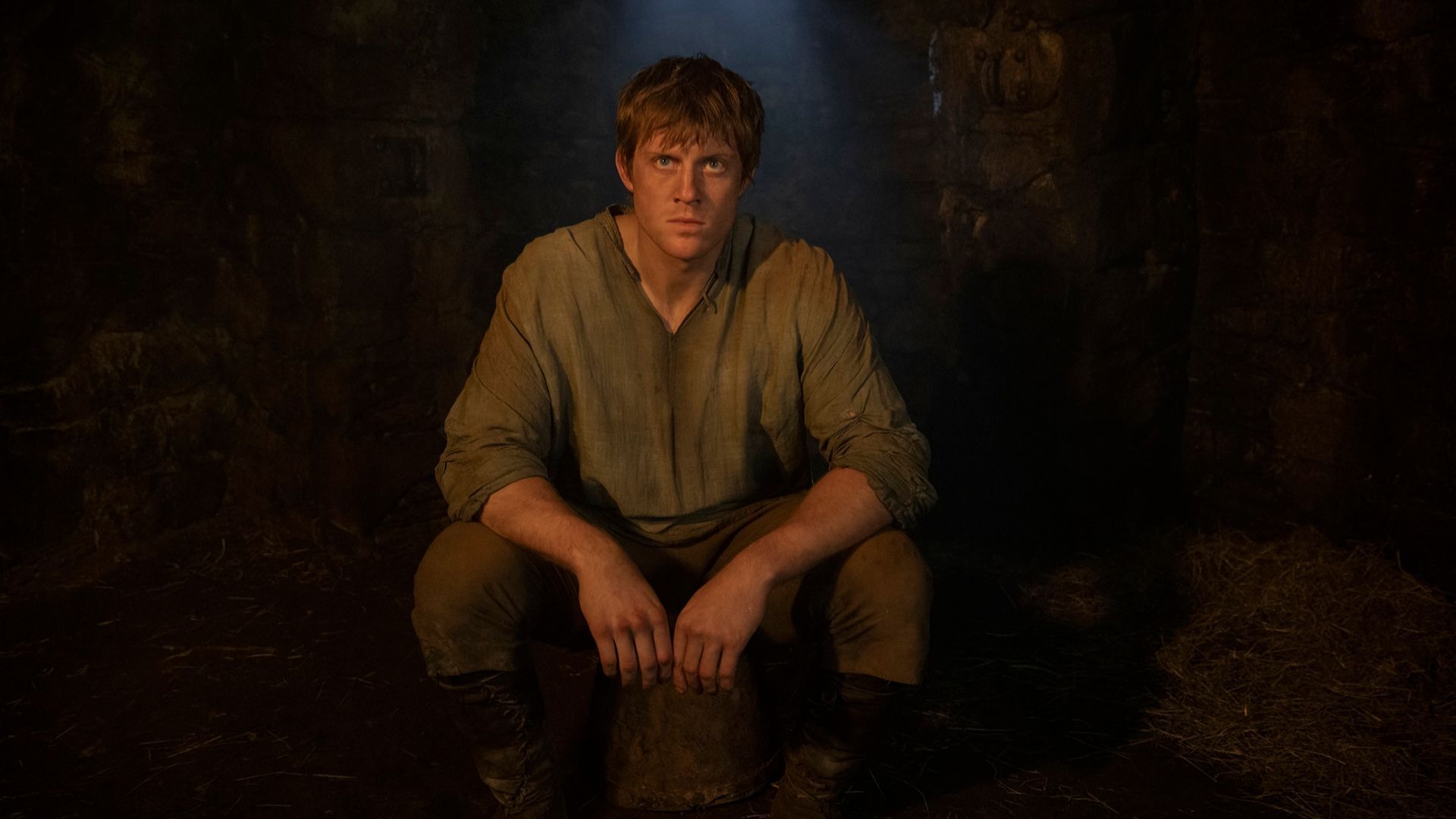
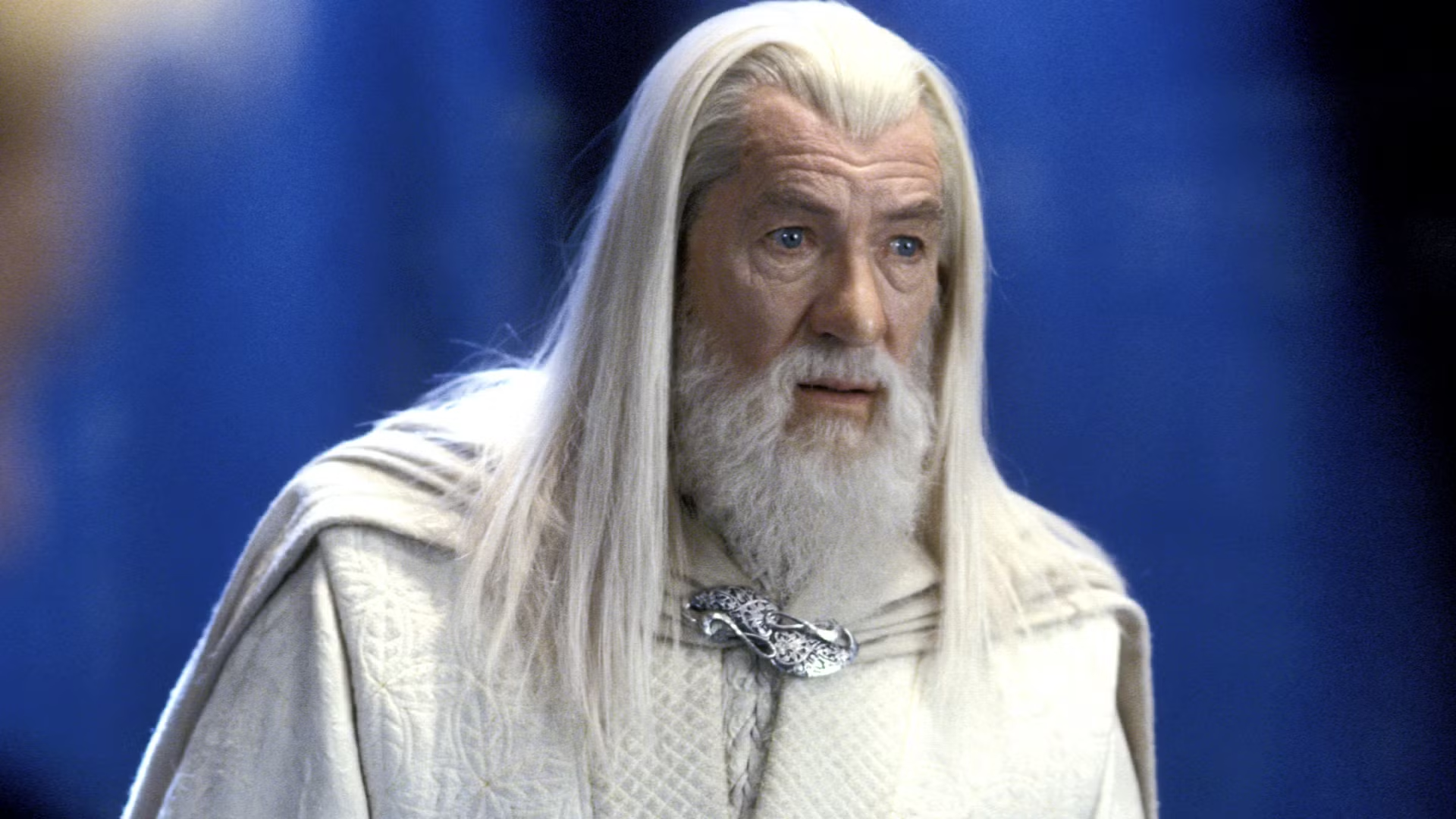
The significant change currently unfolding involves the introduction of multiple actors portraying iconic characters within the same narrative arc—most notably, Gandalf. This marks a bold departure from the traditional casting approach, where a single actor often embodies a character for the duration of the franchise. Fans are now anticipating how this new approach will impact storytelling and character development.
Why This Change Matters
-
Diversity of Interpretation: Allowing different actors to portray the same character opens the door for varied interpretations of iconic roles. This change can bring fresh perspectives and nuances to well-known figures, enriching the narrative.
-
Continuity and Legacy: With the franchise spanning decades, the introduction of multiple actors can help maintain continuity while honoring the legacy of previous portrayals. It acknowledges the passage of time and allows for a seamless transition between eras in the story.
-
Expanding the Universe: This innovative casting strategy can also facilitate the exploration of different parts of Middle-earth's timeline, allowing stories from various epochs to intertwine and expand the lore even further.
What Fans Can Expect
The upcoming projects promise to delve deeper into the lore of Middle-earth, showcasing events and characters that may have previously been sidelined. As the franchise shifts gears, fans are eager to see how beloved characters like Gandalf will evolve with new portrayals. The dynamics between these different iterations will likely add complexity to character relationships, making the narrative more layered and engaging.
A Community Divided?
While many fans are excited about these changes, there are concerns about how this approach might affect the overall coherence of the stories. Some purists worry that introducing multiple actors for the same character could lead to confusion or dilute the impact of the original portrayal. However, others see it as an opportunity for growth and innovation within the franchise.
Conclusion
As The Lord of the Rings prepares for this unprecedented shift, one thing is certain: the journey through Middle-earth is far from over. With new storytelling methods and fresh talent, the franchise is poised to continue its legacy of captivating audiences for many more years to come. Fans are encouraged to stay tuned as more details emerge on this exciting new chapter in the Lord of the Rings saga, promising to bring both nostalgia and fresh excitement to this beloved universe.
Final Thoughts
In a world where franchises are constantly evolving, The Lord of the Rings is taking bold steps to ensure it remains relevant and engaging. As we look forward to this new phase, it’s crucial to embrace change while respecting the rich history that has brought us to this point. The future of Middle-earth is bright, and fans have much to look forward to!