Sorry, but The Two Towers in The Lord of the Rings Aren’t the Ones You Think
The title of J.R.R. Tolkien's seminal work, "The Two Towers," often elicits debate among fans familiar with the sprawling lore of Middle-earth. While many might assume they know which towers the title refers to, the reality is that there is still some ambiguity. In this breakdown, we explore the potential identity of these towers, provide a short summary of the narrative, discuss the key characters involved, and delve into the themes that make this story so captivating.
Quick Summary
"The Two Towers" acts as the middle segment of Tolkien’s epic saga in "The Lord of the Rings." It picks up right after the events of "The Fellowship of the Ring," following the journey of Frodo and Sam as they venture towards Mount Doom to destroy the One Ring, while also chronicling the separate journeys of the other members of the Fellowship. However, the title refers not just to any towers but to pivotal locations in the overarching struggle between good and evil.
Story Setup
After the Fellowship is broken at the end of the first book, the narrative splits, allowing readers to follow multiple storylines. On one side, we have Frodo and Sam, who encounter Gollum, a creature twisted by the Ring’s influence. Their path brings them closer to Mordor, creating tension and suspense as they face treacherous lands and dark forces.
On the other side, Aragorn, Legolas, and Gimli continue to pursue Merry and Pippin, who have been captured by orcs. Their journey leads them to key locations that are rich in lore and danger. The series of events sets the stage for a crucial conflict as the forces of Sauron prepare to invade Middle-earth.
Main Characters
- Frodo Baggins - The reluctant hero and Ring-bearer, Frodo is tasked with an almost insurmountable mission to destroy the One Ring.
- Samwise Gamgee - Frodo’s loyal friend and gardener, Sam is an embodiment of loyalty and courage, standing beside Frodo through thick and thin.
- Aragorn - Also known as Strider, he is the heir to the throne of Gondor, and a key leader in the struggle against Sauron.
- Gollum - Once a hobbit-like creature named Sméagol, Gollum is deeply affected by the corruption of the Ring and serves as both a guide and a risk to Frodo and Sam.
- Merry and Pippin - The two mischievous hobbits who get caught in the conflict, adding both comic relief and depth as their story unfolds.
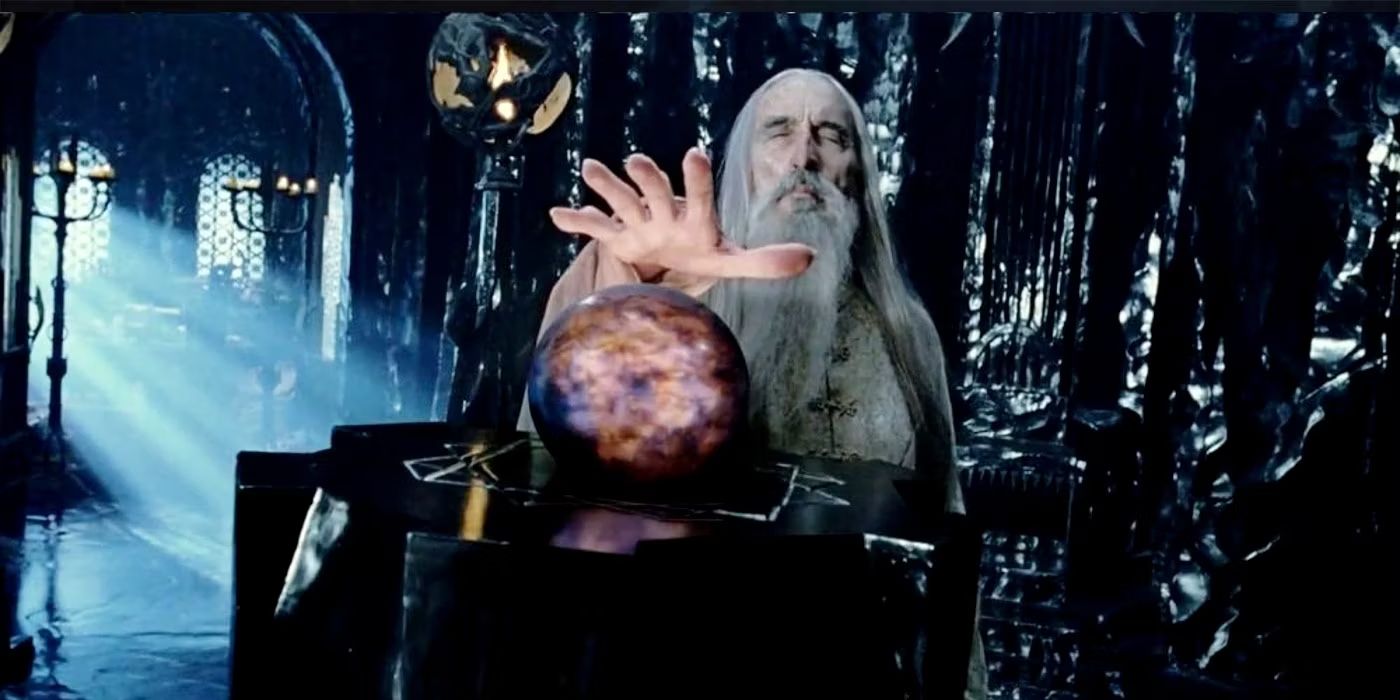
- Saruman - The traitorous wizard who represents a major threat to the Free Peoples of Middle-earth, residing in the dark tower of Orthanc.
- Sauron - The dark lord and true antagonist, Sauron is determined to reclaim the One Ring to dominate all of Middle-earth.
Ending or Latest Episode Explained
Based on available public metadata, an exact ending discussion is complex due to various adaptations of the material. However, the narrative climax of "The Two Towers" involves a series of intricate battles and alliances formed at key locations like Helm's Deep and Isengard. The storyline culminates in a significant confrontation against Saruman, and the fate of Merry and Pippin, who play a crucial role in rallying the Ents against their oppressor.
What Could Happen Next
In the larger story arc of "The Lord of the Rings," the next installment promises deeper exploration into the remaining members of the Fellowship and the ongoing battle against Sauron’s forces. Frodo and Sam’s journey leads them further into the heart of darkness, while alliances among the Free Peoples of Middle-earth strengthen in adversity—setting the stage for a climactic battle in the conclusion of the saga.
Why This Is Trending
The confusion regarding the identity of "The Two Towers" stems from the vast mythology and detailed lore surrounding Tolkien's works. Fans are drawn to explore and debate their interpretations, including the significance of Orthanc (the tower of Saruman) and Minas Morgul (the tower of the Ringwraiths). This topic reignites discussions in the fan community, especially as adaptations of Tolkien's works continue to emerge, making it a hot topic for both old fans and newcomers alike. Additionally, with adaptations in various media, including television series and animated versions, the relevance of these towers takes on new contexts, prompting fans to engage in spirited discussions about character allegiances and the overarching themes of power and corruption.
Final Thoughts
In conclusion, while many fans may think they have identified "The Two Towers" with certainty, the essence of Tolkien’s narrative is layered with nuance and complexity. The discussions surrounding their true identity and significance resonate within the broader themes of loyalty, power, and the struggle between good and evil. As adaptations continue to breathe life into these beloved stories, it remains an exciting time to revisit and analyze the world of Middle-earth. This ongoing dialogue not only enriches our understanding but also deepens our appreciation for Tolkien's timeless craftsmanship in storytelling.