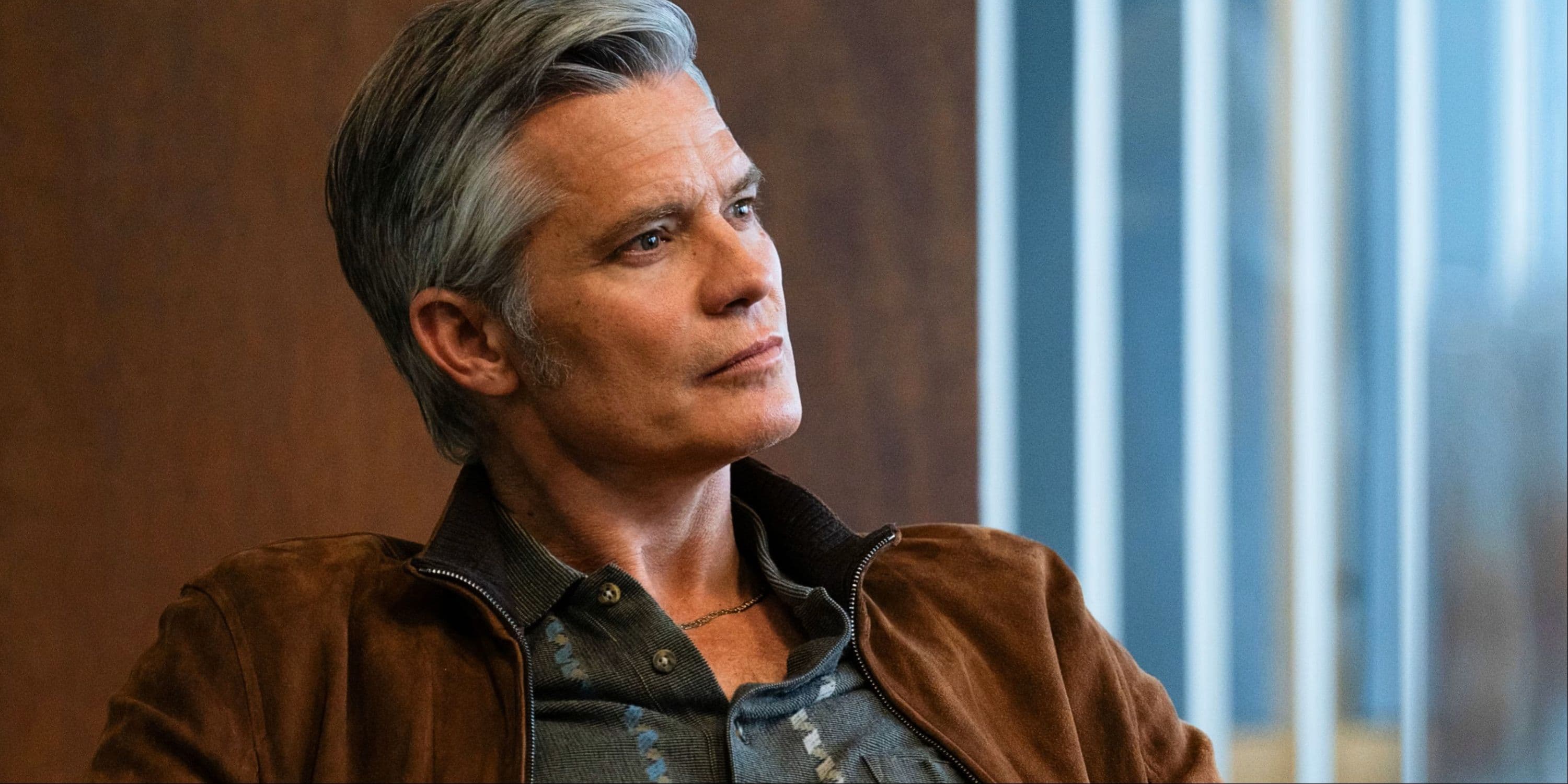
The Vampire Lestat's Jacob Anderson Reflects on a 'Toxic' Scene from Season 1
In an insightful exploration of character dynamics, Jacob Anderson sheds light on a significant moment from Season 1 of The Vampire Lestat. This scene, marked by its intense emotional undertones, delves into the troubled relationship between his character, Louis, and Lestat, offering a deeper understanding of the narrative's impact on character development.
Quick Summary
This article breaks down the complexities of Louis and Lestat's relationship in The Vampire Lestat, focusing on a particularly 'toxic' scene that Anderson believes still influences his character's behaviors and decisions throughout the series.
Story Setup or Current Context
The Vampire Lestat, based on Anne Rice's iconic novels, reinvigorates the vampire genre with its rich storytelling and multidimensional characters. Set against a gothic backdrop, the series intertwines the lives of its characters in a web of love, betrayal, and existential dilemmas. At the center of this tale are Louis and Lestat, who navigate a relationship rife with passion, manipulation, and conflict.
As the story progresses, Season 1 establishes the foundation of their connection, exploring themes of power dynamics and emotional dependency. Understanding their complex relationship allows viewers to appreciate the emotional weight behind Anderson’s reflections.
Main Characters or Key People
- Jacob Anderson as Louis: A contemplative vampire struggling with his human emotions and moral dilemmas.
- Lestat: A charismatic and self-assured vampire whose actions often lead to conflict with Louis, pushing his character into morally ambiguous territory.
These two characters drive the narrative, with their evolving relationship at the forefront of the series, influencing their actions and motivations.
Ending, Latest Episode, or Announcement Explained
In Episode 6, titled “Montreal,” viewers witness a critical scene that encapsulates the toxic aspects of Louis and Lestat's relationship. Anderson emphasizes that this moment continues to resonate with his character, affecting his psyche and choices as the story unfolds. The scene serves as a turning point that brings to light the emotional scars left by their interaction. Although detailed information about this episode's events is currently limited, the implications of the characters' decisions and interactions set the stage for future developments.
What Could Happen Next
As the series progresses, anticipate deeper explorations of the characters’ pasts and how their tumultuous relationship shapes their futures. With the themes of redemption and self-discovery at play, viewers may see Louis confront his shortcomings or Lestat grapple with the consequences of his manipulative tendencies. The narrative’s trajectory suggests potential conflicts, alliances, and transformations as the characters evolve.
Why This Is Trending
The discussion surrounding Anderson's comments reflects a broader interest in nuanced character portrayals within the realm of supernatural storytelling. The exploration of toxic relationships resonates with audiences, prompting discussions on emotional health and interpersonal conflict, particularly in fantastical settings. The insights provided by Anderson have fueled increased engagement and speculation among fans of the series, signaling a deeper connection to character-driven narratives.
Final Thoughts
Anderson's candid reflections on the toxic dynamics between Louis and Lestat highlight the importance of character development in crafting engaging stories. As the series continues to unfold, viewers are reminded that the emotional stakes are just as significant as any external conflict, providing a rich tapestry for storytelling.
Frequently Asked Questions
1. What is The Vampire Lestat about?
The Vampire Lestat is a series adapted from Anne Rice's novels, focusing on the complex lives of vampires, particularly the characters Lestat and Louis.
2. How does the relationship between Louis and Lestat evolve?
Their relationship is marked by passion, manipulation, and emotional conflict, rapidly evolving throughout the series.
3. Which episode features the pivotal 'toxic' scene mentioned by Jacob Anderson?
The impactful scene is found in Episode 6, “Montreal.”
4. Why is this discussion about a 'toxic' scene significant?
It highlights the critical exploration of emotional dynamics in relationships, contributing to character depth and audience engagement.
5. What can fans expect in future episodes?
Fans can look forward to deeper character exploration, evolving narratives, and potential new conflicts as the story progresses.