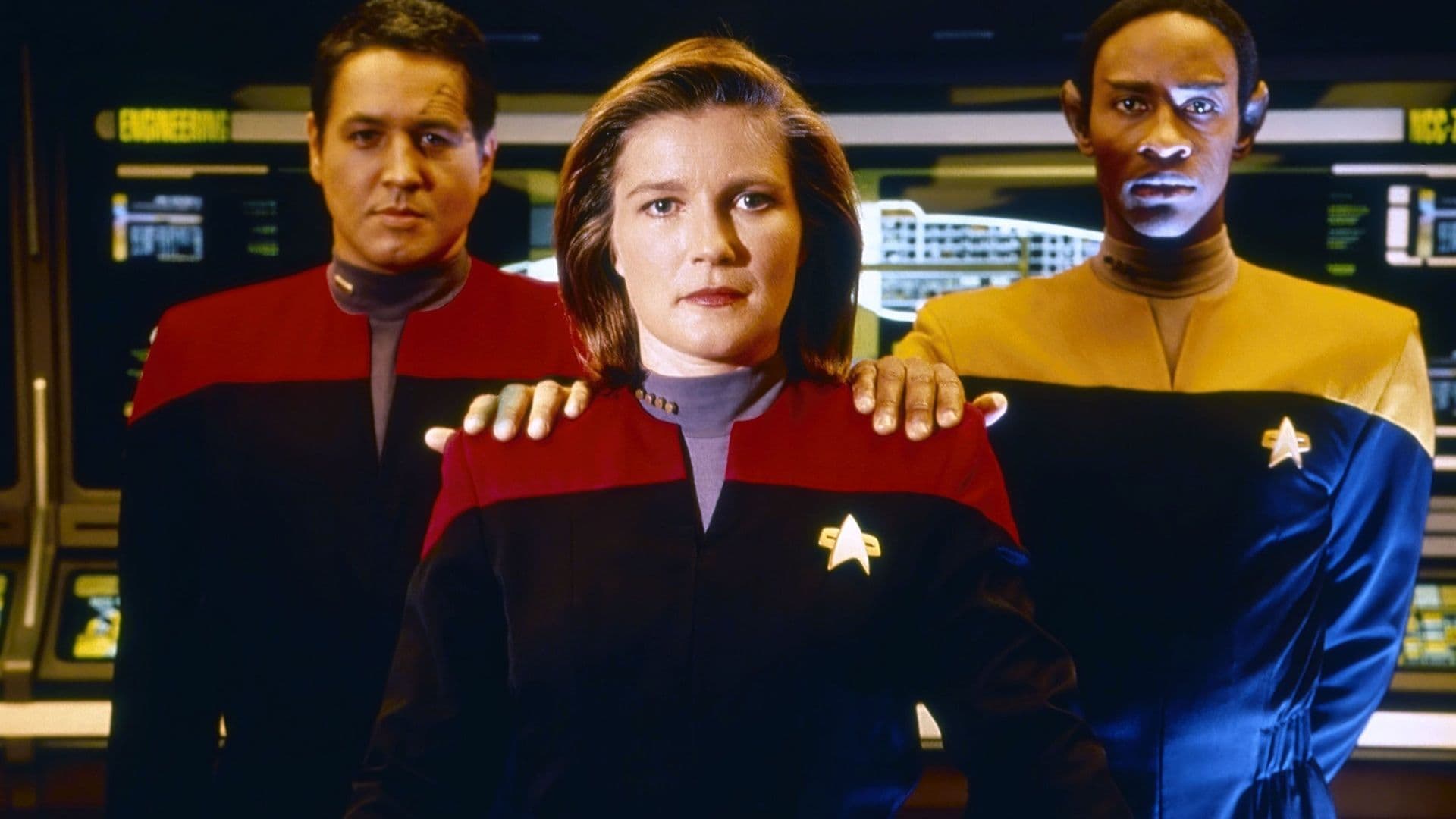
Star Trek: Voyager’s Darkest Story Is Still 1 of Trek’s Best, 30 Years Later
Star Trek: Voyager, one of the most beloved series in the Star Trek franchise, has an extensive history filled with imaginative storytelling, compelling characters, and philosophical explorations. Among its many stories, one arc stands out as particularly haunting and thought-provoking: the "Year of Hell" storyline. This narrative represents not just the darkest turn in Voyager's journey but also exemplifies the bold storytelling that has kept the Star Trek universe alive and relevant for three decades.
Quick Summary
The "Year of Hell" consists of a two-part episode (Season 4, Episodes 8 and 9) that explores the consequences of an unyielding enemy and the moral compromises made when starship crew faces existential threats. In this arc, Voyager and its crew find themselves fending off devastating attacks from the Krenim, a technologically advanced species with a peculiar time-altering weapon. The tension escalates as the crew spirals into chaos, forcing them to confront profound ethical dilemmas and the sacrifice required to survive.
Story Setup
Voyager is famously lost in the Delta Quadrant, striving to return home while encountering myriad alien cultures and challenges. When the Krenim's time-manipulating technology is introduced, Voyager's voyage shifts into a darker tone. The crew learns how the past is malleable and how their decisions can lead to unforeseen consequences. This plot not only showcases the stakes involved in space exploration but also captures the essence of what makes Star Trek intriguing: the duality of technology as both a tool for peace and a weapon of destruction.
As the Krenim attack Voyager relentlessly, we see the crew endure significant losses and face personal challenges. The relentless nature of the conflict forces not only the ship’s systems but also the moral fabric of its crew to the brink of disarray. The atmosphere becomes thick with despair, creating an environment of emotional depth seldom seen in the lighter episodes of the series.
Main Characters
In this arc, the characters are pushed to their limits, revealing their true natures and vulnerabilities.
-
Captain Janeway: As the determined leader of Voyager, Janeway faces the burdens of command, grappling with the decision to prioritize the needs of her crew against the impending doom posed by the Krenim. Her evolution throughout the storyline is compelling, as she becomes a symbol of resilience in the face of insurmountable odds.
-
Chakotay: Janeway's first officer and confidant, Chakotay serves as a moral compass, often questioning the choices made during crisis situations. His internal struggle adds layers to Janeway's character and highlights the ethical consequences of their predicament.
-
Seven of Nine: This character’s introduction adds a unique perspective to the crew dynamics, as she navigates her own recovery from the Borg collective. Seven’s struggle to comprehend humanity's nuances comes to the forefront, paralleling the larger themes of identity and sacrifice.
-
The Doctor: As the ship’s Emergency Medical Hologram, he faces ethical dilemmas surrounding autonomy and the responsibilities of sentient beings. His character evolves from a programmed entity to a being struggling with emotions, adding further complexity to the narrative.
Ending or Latest Episode Explained
The culmination of the "Year of Hell" arc is both devastating and thought-provoking. The crew witnesses a complete breakdown of order, with their ship nearly turned to rubble and many of their ideals called into question. Janeway’s fierce determination leads her to make choices that have lasting effects on her crew and the Voyager itself.
In the end, the arc resolves with a hard-fought victory, but not without heavy losses. The sacrifices made throughout the year force the characters to reassess their understanding of hope, identity, and survival. The finale ends on a bittersweet note—the crew has survived, but at a significant cost. The thematic weight of this saga resonates with fans, as it highlights the tough choices we all must make in the face of overwhelming adversity.
What Could Happen Next
Given the enduring popularity of Star Trek: Voyager, discussions surrounding the potential for reboots, spin-offs, or remastered versions of the series are rampant in fandom circles. With the evolution of the Star Trek franchise as a whole, there may be additional explorations into the characters introduced during the "Year of Hell."
Potential storylines could revolve around the legacy of Voyager's struggles and how they shape future generations of Starfleet officers. Additionally, a deeper dive into the ramifications of the Krenim's time-altering weapon could lead to intriguing new narratives that bridge narratives from both Voyager and broader Star Trek lore.
Why This Is Trending
The "Year of Hell" arc's enduring relevance partly stems from modern society's grappling with issues related to technology, ethics, and sacrifice. As today’s audiences face their own existential challenges, the themes explored within the series resonate on a more profound level.
Moreover, anniversaries and retrospectives are reviving interest in Voyager. Fans and newcomers alike are rediscovering the series, often through streaming platforms, sparking discussions around its significance within the Star Trek franchise.
Final Thoughts
Star Trek: Voyager's darkest tale, depicted in the "Year of Hell," remains a unique expression of the series' foundational themes: resilience, moral complexity, and the unyielding spirit of exploration. As we celebrate the 30-year legacy of this iconic series, it’s evident that the ethical nuances and emotional depth explored during this storyline continue to resonate today, reminding us that in the face of darkness, there is always the possibility of hope.
In a world where the lines between right and wrong can often blur, the stories told within Star Trek challenge us to reflect on our own lives and the choices we make. Whether you've been a longtime fan or are just entering the universe for the first time, the themes of "Year of Hell" keep the spirit of Star Trek alive and relevant, showcasing the franchise's ability to mirror the complexities of human existence.