Why The Mandalorian & Grogu’s Success Shouldn’t Be Measured By Box Office Performance Alone
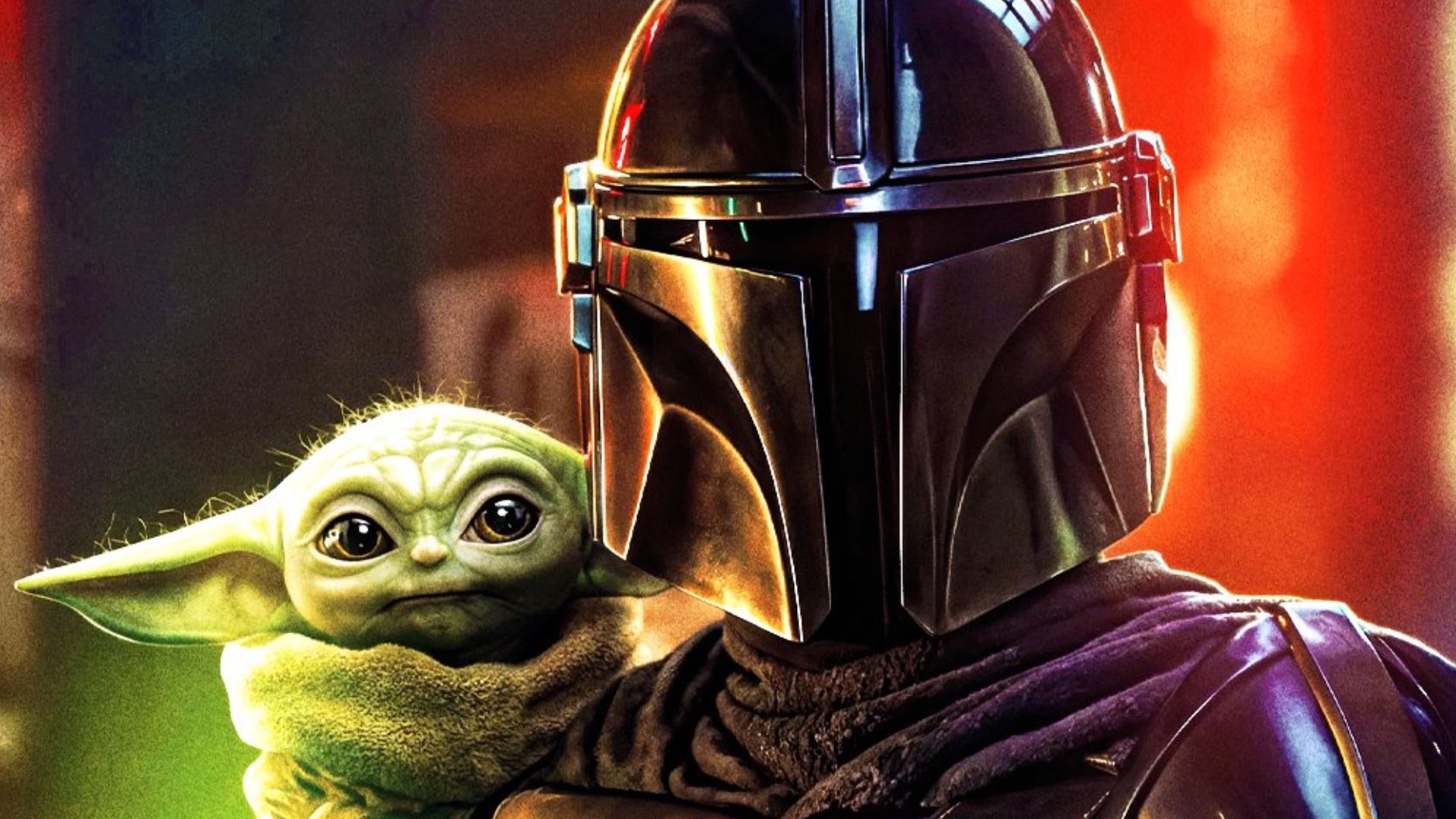
In the ever-expanding landscape of the Star Wars universe, few characters have captured the hearts of fans quite like Grogu, fondly known as "Baby Yoda." His relationship with the titular Mandalorian has led to a cultural phenomenon that transcends conventional measures of success. While it's easy to resort to box office numbers for evaluating the worth of a franchise, The Mandalorian invites us to consider more nuanced metrics of impact and achievement.
Quick Summary
The Mandalorian is a Disney+ series that debuted in 2019, showcasing the adventures of a lone bounty hunter in the outer reaches of the galaxy. Grogu, a mysterious creature, adds emotional depth to the story, creating a rich narrative tapestry that keeps viewers engaged. Despite having less box office clout compared to previous Star Wars films, both the show and Grogu have become cultural touchstones, highlighting the importance of storytelling and fan engagement over mere financial returns.
Story Setup
Set five years after the fall of the Empire, The Mandalorian introduces us to the titular character, a skilled bounty hunter known by his nickname, Din Djarin. Navigating the fringes of a galaxy still reeling from chaos, he takes on various missions, but everything changes when he encounters Grogu. The bond between Din and Grogu evolves throughout the series, shifting from mere survival to something deeply personal and transformative.
Unlike previous Star Wars films, which often revolved around the Skywalker saga, The Mandalorian carves out a unique narrative. It draws on Western and samurai film aesthetics, providing a fresh lens through which to view the Star Wars mythos. The show explores themes of honor, attachment, and the complex nature of guardianship—elements that resonate deeply without requiring blockbuster ratings.
Main Characters
Din Djarin (The Mandalorian): A lone bounty hunter, Din upholds the ancient traditions of his people while struggling with personal growth through his relationship with Grogu. His journey reflects the evolution of a character who balances duty with newfound empathy.
Grogu: Often referred to as "Baby Yoda," Grogu lives in the shadows of his mysterious origins while capturing the hearts of audiences. His connection to the Force and ability to elicit emotional responses from Din and the audience are pivotal to the show.
Cara Dune: A former Rebel shock trooper who becomes Din’s ally. Her character explores themes of loyalty and redemption while amplifying the show's action sequences.
Moff Gideon: The primary antagonist, Gideon is a formidable player in the struggles for power following the Empire’s fall. His presence creates tension and drives various plotlines, significantly impacting Din and Grogu’s journey.
Ending or Latest Episode Explained
While details about the latest episodes of The Mandalorian may vary, the ongoing tension between Din and Moff Gideon builds throughout the series. The emotional stakes increase as Grogu's fate intertwines with major galactic events, positioning both characters at the forefront of mythological conflicts. Together, they serve as symbols of hope and resilience amid darkness.
As narratives conclude, fans are often left with cliffhangers that spur discussions and theories, further solidifying the series' relevance in pop culture.
What Could Happen Next
Based on available public metadata, speculation about the future of The Mandalorian hints at the series expanding its universe. With the introduction of new characters and story arcs, fans are eagerly pondering Grogu's potential journey towards further mastery of the Force. The show’s dedication to character-driven plots ensures that whatever direction it takes, emotional stakes will remain at the center.
Fans can expect more developments that intertwine with broader Star Wars storylines, possibly bringing the Mandalorian into contact with familiar faces from the franchise's extensive history. The interplay between lore and personal tales promises to keep audiences engaged and invested.
Why This Is Trending
Amid debates surrounding box office figures and critical scores, The Mandalorian and Grogu’s impact can be seen in social media trends and merchandise sales, which have far surpassed initial expectations. The constant stream of fan art, memes, and discussions surrounding their dynamics serves as a testimony to their cultural significance.
Moreover, The Mandalorian has invigorated a sense of community among its viewers. Platforms like Twitter and Reddit buzz with excitement as fans dissect episodes, eagerly share theories, and connect through their shared admiration for the characters. Such engagement demonstrates that the show’s influence extends well beyond box office figures.
Final Thoughts
As the film industry evolves, traditional metrics like box office revenue may fail to encapsulate the full essence of a show or character's impact. The Mandalorian and Grogu serve as poignant reminders that storytelling, character development, and cultural connection can redefine success in an entertainment landscape increasingly focused on metrics. By prioritizing meaningful narratives that resonate with viewers, The Mandalorian highlights the significance of emotional engagement over financial returns, paving the way for future storytelling in the Star Wars franchise and beyond.