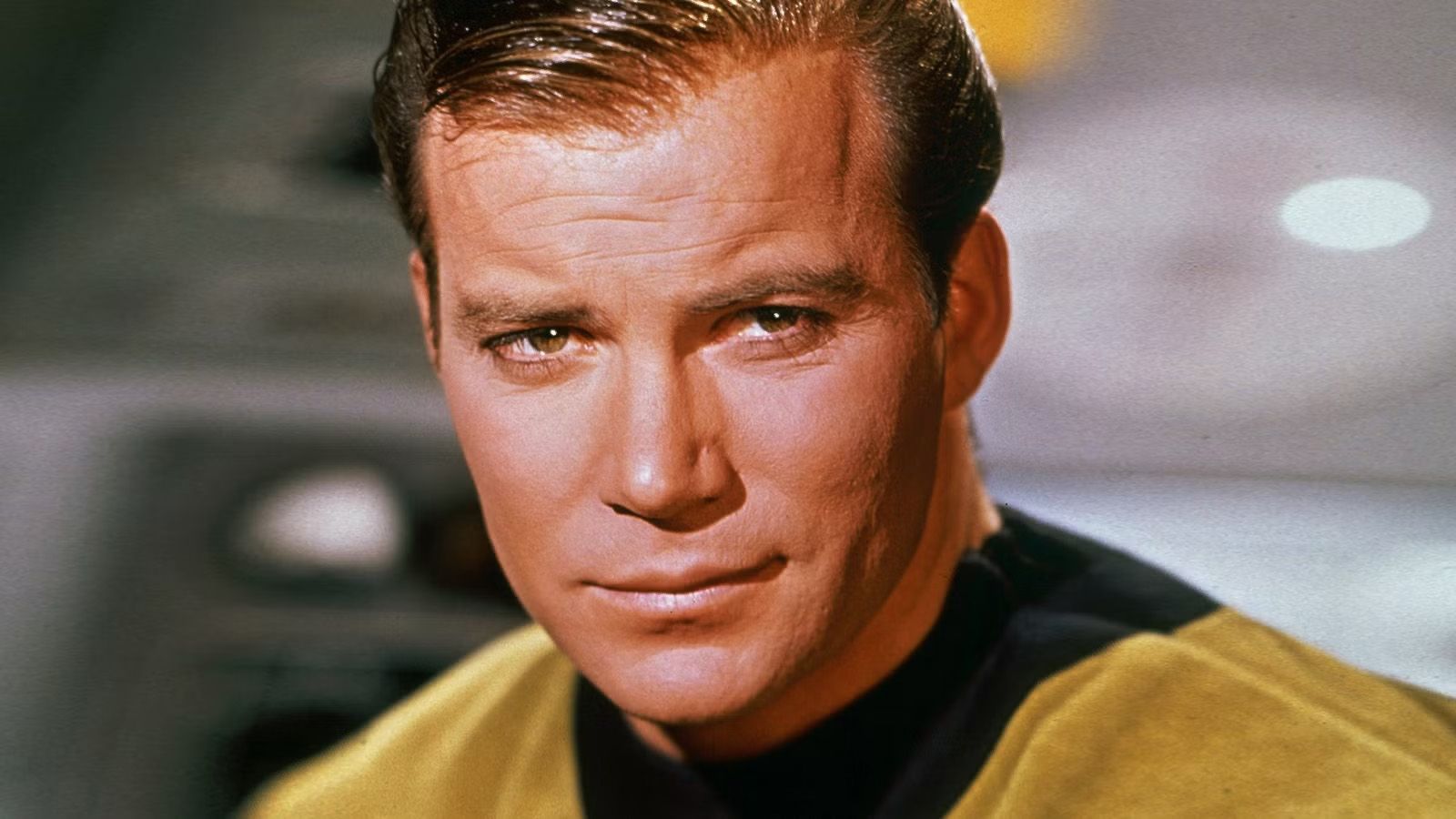
William Shatner's Favorite Star Trek Episode Deserves to Be Called a Sci-Fi Masterpiece
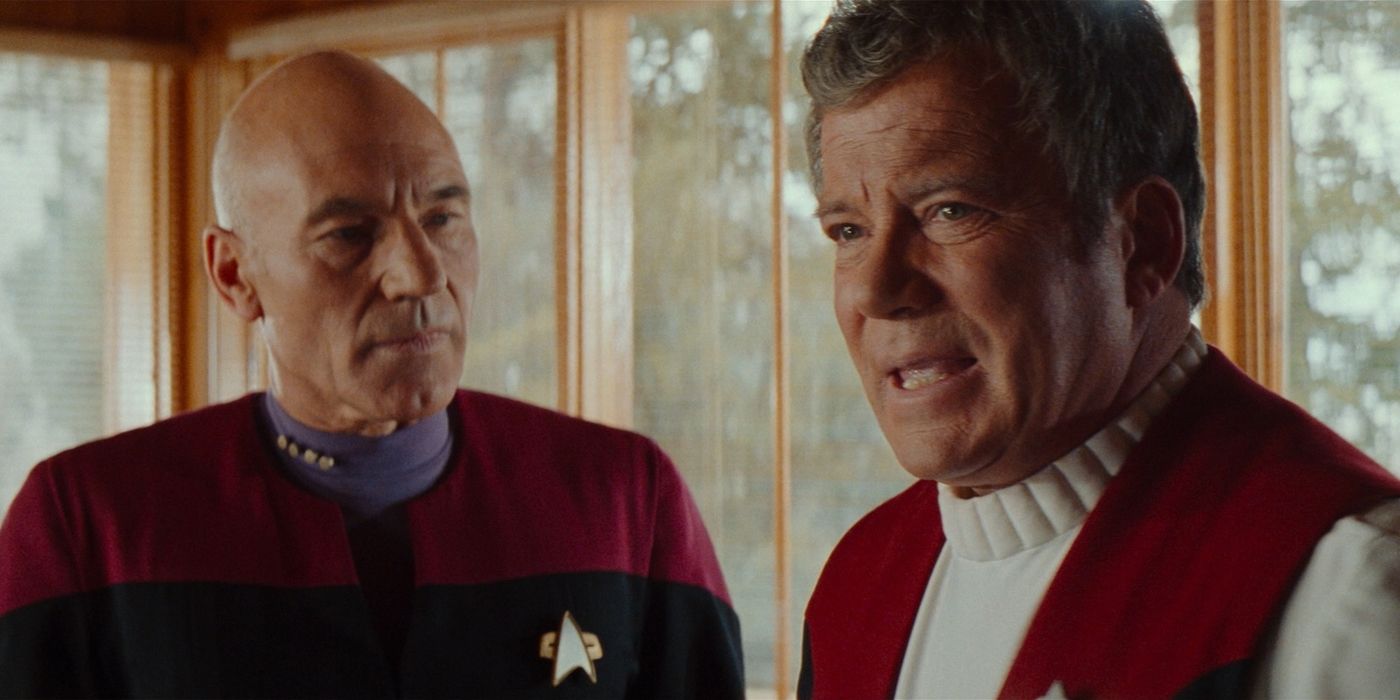
William Shatner, the iconic Captain James T. Kirk from the Star Trek franchise, has a standout favorite among the extensive catalogue of episodes that have captivated audiences for decades. Widely regarded as a sci-fi masterpiece, this episode represents the very essence of what makes Star Trek not just a television show, but a cultural phenomenon. In this breakdown, we will delve into why Shatner holds this episode in such high esteem, and explore its impact on the broader Star Trek universe.
Quick Summary
The episode in question, which has earned both praise from fans and recognition from Shatner himself, encapsulates the themes of understanding and coexistence that are pivotal to the Star Trek series. Its storytelling is strategic and thought-provoking, merging elements of drama, moral dilemmas, and science fiction in such a way that it continues to resonate with viewers even today. This article will explore the story setup, dive into the main characters, analyze the episode’s climactic ending, speculate on future implications, and why it remains trending in Star Trek discussions.
Story Setup
Set in the early days of the Starship Enterprise, this foundational episode processes a critical encounter with a formidable creature known as the Horta. It serves as a perfect symbol of the series’ mission: to boldly go where no one has gone before. In this narrative, Captain Kirk and his crew are tasked with investigating a series of mysterious deaths occurring on the mining colony of Janus VI. As they navigate this unexpected dilemma, they encounter both the complexities of the Horta and the socio-political implications of mining operations that disturb its environment.
Underlying the immediate conflict is a philosophical exploration of fear and misunderstanding. The Horta, initially perceived as a monstrous threat, eventually challenges the crew's preconceived notions about its nature. Viewers are urged to question their responses to perceived threats and consider the deeper reasons behind violent actions, forming the basis for profound discussions about empathy and peace.
Main Characters
The episode features several key characters that drive the narrative:
- Captain James T. Kirk (William Shatner): The emblematic leader of the Enterprise, Kirk is faced with tough decisions as he seeks to protect his crew while seeking a peaceful resolution.
- Spock (Leonard Nimoy): The half-Vulcan science officer acts as Kirk’s logical counterbalance, ensuring that emotions do not cloud their judgment. Spock's analytical mind plays a crucial role in deciphering the Horta’s behavior and intentions.
- Dr. Leonard McCoy (DeForest Kelley): The Chief Medical Officer who grapples with moral implications regarding life and health, McCoy remains pivotal in navigating ethical concerns as the episode unfolds.
- The Horta: Though a non-human character, the Horta stands out as a complex figure representing misunderstood beings. Its character arc challenges human perceptions of monstrosity, initiating the story’s philosophical underpinnings.
Ending or Latest Episode Explained
As the episode reaches its climax, the crew of the Enterprise eventually learns that the Horta is not an enemy but a desperate mother protecting her eggs. This revelation is a pivotal moment, challenging the audience’s expectations and fear-driven judgments made earlier in the story. With the help of Kirk and his team, a deeper understanding is achieved, leading to a resolution that emphasizes communication and compassion over violence. The episode concludes with a powerful message about the importance of compassion across species and societies and highlights the essential Star Trek ideal of striving for peace. As they depart Janus VI, the crew reflects on their experiences, encapsulating the lessons learned about respect and understanding of all life.
What Could Happen Next
While focusing on this particular episode, it's exciting to consider its wider implications within the Star Trek universe. Given its popularity and the ongoing expansion of the franchise through various series and films, viewers can anticipate potential callbacks or expand on themes introduced in this episode. The legacy of the Horta may influence how future series approach character development, species relations, and moral dilemmas, maintaining emphasis on the importance of looking beyond surface appearances.
With Star Trek's ongoing exploration of new cultures and societal structures, fans can expect more moments that reflect this episode's principles—encounters that challenge preconceived notions and highlight the value of empathy in interstellar diplomacy. Moreover, with the introduction of new spin-off series and movies, franchises may draw inspiration from the moral complexities presented in this classic episode.
Why This Is Trending
William Shatner’s endorsement of this particular episode has reignited interest in not just the episode itself, but in the classic Star Trek series as a whole. As a beloved cornerstone of sci-fi television, discussions about its implications for contemporary social issues make this episode particularly relevant today. Themes surrounding communication, empathy, and understanding across differences resonate with audiences, especially in a rapidly evolving societal landscape. Sci-fi enthusiasts and Star Trek fans alike are actively discussing how much the series has influenced their perspectives on societal norms and personal beliefs, making this episode a touchstone in both Star Trek lore and the broader world of science fiction storytelling.
Final Thoughts
The acclaim surrounding William Shatner's favorite Star Trek episode is well-deserved. With its profound themes, engaging storytelling, and strong character arcs, this episode stands out as a true sci-fi masterpiece. As it continues to inspire discussions and reflections on its lasting impact, it reminds us of the enduring power of storytelling and the importance of understanding and empathy across all beings.
For both seasoned fans and newcomers, revisiting this episode is not just a nostalgic trip down memory lane, but an essential exploration of the values that define the Star Trek franchise.