test
asdasd
Explore how the beloved characters of the Avatar franchise resonate differently with adult fans, diving into their complexities and experiences.
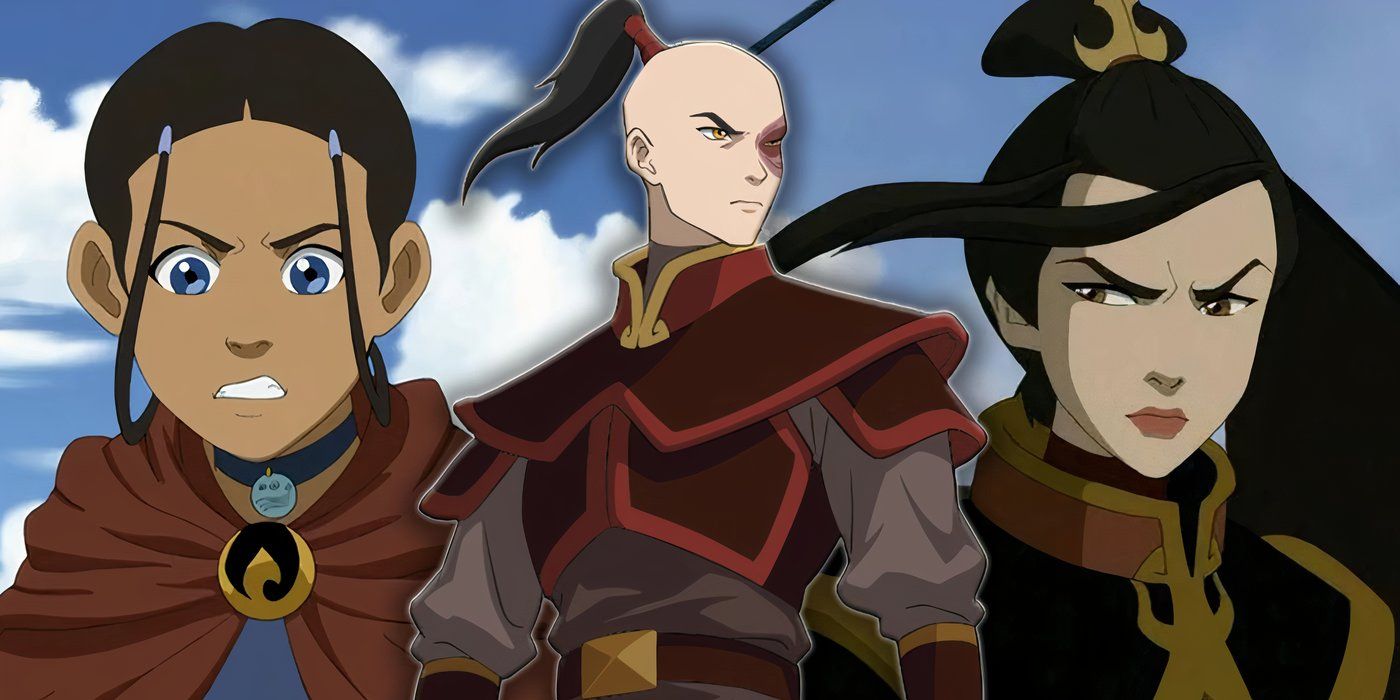
The Avatar franchise, particularly Avatar: The Last Airbender, has garnered immense admiration for its nuanced characters and rich storytelling. While the show captivates younger audiences with its fantastical elements and adventurous spirit, adult viewers often find a deeper understanding of its characters and themes. This article explores ten characters from the Avatar universe that fans appreciate more fully as they grow older, shedding light on the complexities of their journeys.
As adults, fans are more equipped to grasp the intricate emotions and lifelong lessons embodied by Avatar characters. Through life experiences and maturity, viewers can gain new insights into the decisions, struggles, and motivations of their favorite characters.
Set in a world divided into four nations—Earth, Water, Fire, and Air—Avatar: The Last Airbender follows the journey of Aang, the last surviving Airbender and the Avatar tasked with bringing balance to the world. Alongside him are compelling characters like Katara, Sokka, Toph, and Zuko. Each character has their own backstory, conflicts, and growth, providing rich terrain for exploration as fans revisit the series in adulthood. The show's themes of friendship, redemption, and the pursuit of peace resonate differently for viewers who have navigated their own complex life events.
1. Aang
As the Avatar, Aang bears the weight of the world. While younger fans relate to his playful spirit, adults may feel the burden of his responsibilities, understand his fear of failure, and sympathize with his struggle to maintain balance in a chaotic world.
2. Katara
Katara evolves from a passionate warrior to a nurturing leader. Adult viewers can appreciate her fierce dedication to her loved ones, recognizing the emotional toll of caretaking, and the internal conflict between personal desires and communal duties that she faces.
3. Sokka
Initially seen as the comic relief, Sokka's journey reveals deeper themes of loss and growth. Adults are more likely to resonate with his grappling with expectations, identity, and the role of masculinity in times of distress.
4. Toph
As a blind Earthbender, Toph’s story revolves around breaking societal norms. Fans may understand her fight for autonomy and her complex relationship with family dynamics, reflecting adult themes of self-acceptance and personal empowerment.
5. Zuko
Zuko's redemption arc is arguably one of the most profound character transformations. Grown fans can see the deep-seated issues of anger, trauma, and the search for belonging, making his eventual acceptance far more relatable and inspiring.
6. Uncle Iroh
The wise and compassionate mentor offers philosophical insights and life lessons. Adults find comfort in Iroh's perspective, especially when it comes to the importance of love, understanding, and self-care during challenging times. His character becomes a source of introspection on values and wisdom throughout life’s struggles.
7. Azula
Azula represents the darker side of ambition and power. Adult fans may comprehend her complex motivations stemming from familial expectations, leading to a tragic fall. Watching her unravel reflects the consequences of toxicity and ambition without empathy, making her journey a sobering reflection on personal relationships.
8. Appa
Aang’s loyal companion, Appa is not just a source of transportation; he symbolizes friendship and loyalty. The emotional dynamics surrounding Appa's abduction resonate deeply with adult viewers who understand loss and the importance of supportive relationships in turbulent times.
9. Mai
Mai's character often goes overlooked, but her struggles highlight the emotional emptiness that can accompany a lack of connection. Adults can sympathize with her internal battles against societal pressures and the pursuit of authentic relationships.
10. Ty Lee
Ty Lee’s desire for freedom and self-definition lands her in complex narratives of friendship juxtaposed against societal expectations. Grown fans can appreciate her choices and the ramifications of living authentically against the grain, reflecting on what it means to be true to oneself.
The series culminates in an epic showdown between Aang and Fire Lord Ozai, spotlighting the importance of compassion over hatred. Adult viewers often appreciate the subtleties of Aang's non-violent resolution, reflecting on themes of pacifism in contemporary contexts. This finale leaves a lasting impact, prompting viewers to consider their own life choices in moments of crisis.
While Avatar: The Last Airbender has concluded, its legacy continues to inspire discussions around its characters. The ongoing expansion of the Avatar universe through comics and spin-offs introduces new narratives and character backstories. Fans speculate on the future of beloved characters like Zuko and Katara, as well as how their stories reflect ongoing themes of identity and personal evolution.
The conversation around Avatar: The Last Airbender remains vibrant, particularly as adults re-engage with the series amid current global challenges. Fans find solace in revisiting characters that mirror their own life experiences, fostering a community that shares new interpretations and understandings. The relatability of characters as we age invites deeper discussions around mental health, morality, and the importance of empathy in a divided world.
Revisiting Avatar: The Last Airbender as an adult opens up an enriched understanding of its characters. It challenges viewers to reflect on their personal journeys while offering valuable lessons on growth, redemption, and the complexities of human relationships. The series not only remains a timeless classic but also continues to resonate profoundly with fans, allowing for new insights and appreciations with each viewing. The emotional depth and relatability of the characters facilitate discussions that extend beyond entertainment, making the Avatar universe a vital part of critical conversations in contemporary society.
Story breakdown
EpisodeBreakdown may use automated tools to assist research, drafting, and formatting. Published pages are governed by our editorial and corrections policies, and source links are shown when they are available in the article record.
Discovery source: CBR Anime. The source identifies where the topic was discovered; EpisodeBreakdown is responsible for the commentary published on this page.
Reader response
Reactions and poll results are based on real reader responses. No account is required.