test
asdasd
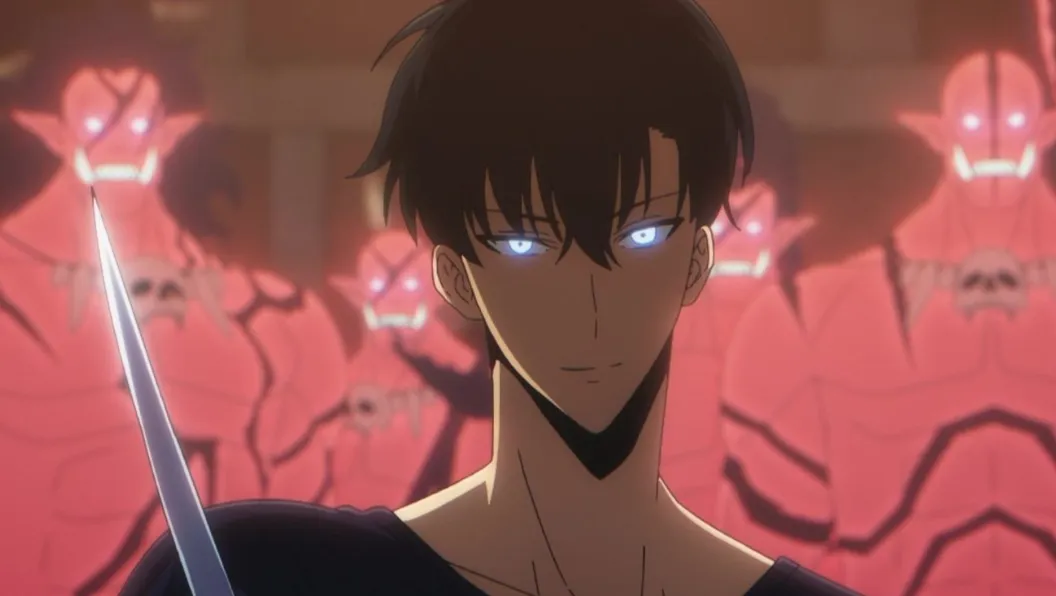
Exploring the top contenders in anime, we break down the most formidable villains who redefine power dynamics in their narratives.
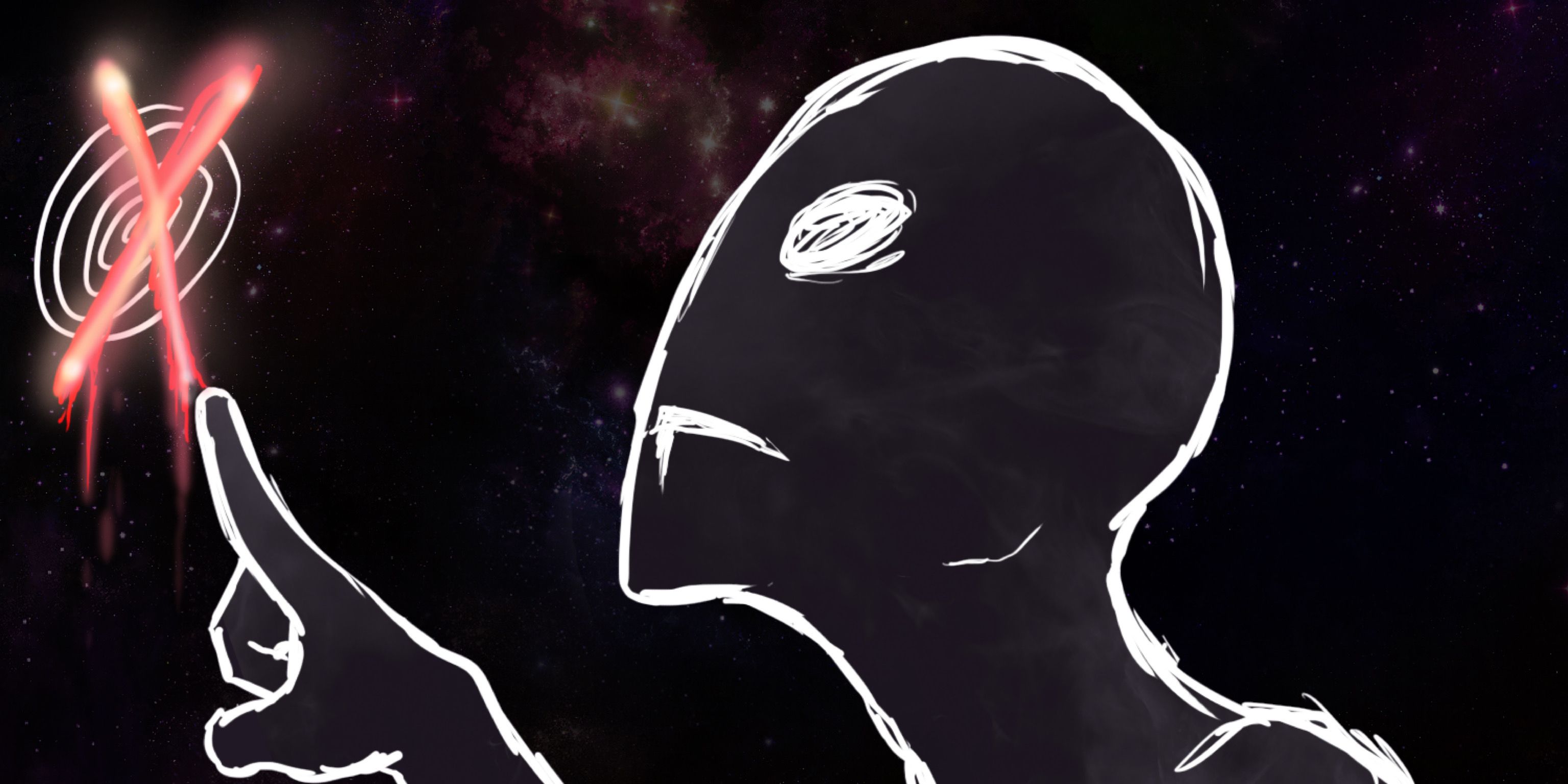
In simple terms, overpowered anime villains transcend the limitations usually applied to antagonists, demonstrating abilities that fundamentally alter the rules of engagement within their respective universes. Whether through regenerative capabilities, reality manipulation, or overwhelming strength, these characters often make even the most heroic protagonists seem inadequate by comparison.
The nuances of power scaling reveal that the stakes are raised not just by raw power but the nature of their threats, with some capable of universal destruction while others merely topple cities. Considering this, the breakdown of the most overpowered anime villains helps fans appreciate their unique contributions to their stories.
Madara Uchiha stands as a cornerstone example of an overpowered villain in Naruto. Gaining dominance over the Ten-Tails, Madara demonstrates mastery of the Rinnegan and commands powers across all six paths. His Infinite Tsukuyomi represents a profound threat, capable of trapping every sentient being in an unending dream. In direct combat, he effortlessly disables the Five Kage, showcasing his unmatched combat abilities and making him arguably the most formidable figure in the shinobi world.
Another key contender is Enrico Pucci from JoJo's Bizarre Adventure: Stone Ocean. His ability to accelerate time through Made in Heaven makes him a nearly invulnerable opponent, as he moves too quickly for his enemies to respond. The resulting universe loop establishes a horrifying reality where all inhabitants become conscious of their fated destinies, showing how Pucci manipulates not just time but reality itself.
Gilgamesh, the first king and hero from the Fate series, possesses an arsenal of weapons and treasures beyond any normal measuring stick. His Gate of Babylon grants him access to countless noble phantasms, each one almost tailor-made to counteract any adversary. His supreme arrogance is not unfounded; Gilgamesh wields the Ea, a sword capable of tearing apart the very fabric of space-time, cementing his status among the most overpowered figures in anime history.
Misogi Kumagawa from Medaka Box Abnormal takes overpowered to an almost meta-fictional level with his technique, All Fiction. It grants him control over causality, allowing him to erase elements of reality itself. This manipulation includes reversing death and eraser potential threats to existence, making confrontations with him often unwinnable for opponents and raising questions about the limits of heroism.
The Anti-Spiral from Gurren Lagann brings forth an entirely different kind of overwhelming power, with authority spanning across universes. Its ability to manipulate dimensions and annihilate civilizations that pose an evolutionary threat makes it a cosmological adversary. By deploying universe-sized mecha and manipulating quantum probability, the Anti-Spiral effectively safeguards existence from those who might threaten it, thus raising the stakes dramatically in any battle.
These characters thrive on breaking established norms within their stories, showcasing an array of abilities designed to test heroes in impossible ways. By redefining power dynamics, they not only enhance the narrative stakes but also offer a means of reflection on themes such as hubris, fate, and the essence of strength. Characters like Yhwach, who can alter possible futures, and Altair, who adapts in real-time to threats against her, serve as benchmarks for what makes a villain truly overpowered.
As demonstrated, the rankings involve not just raw power but also tactical intelligence and narrative impact. Each villain pushes the boundaries of their universe, creating engaging storylines that stick with fans long after the credits roll.
In conclusion, anime's most overpowered villains challenge both narrative and reader expectations, often becoming more memorable than the heroes they face. Their unique powers and philosophical implications keep fans rethinking the roles of good and evil. Understanding their attributes helps us appreciate the diverse storytelling techniques that anime employs and encourages discussions on what it means to be powerful within any narrative.
As power dynamics evolve, audiences will continue to debate the rankings of these formidable foes—leading to an ever-growing appreciation of the art that is anime.
Story breakdown
EpisodeBreakdown may use automated tools to assist research, drafting, and formatting. Published pages are governed by our editorial and corrections policies, and source links are shown when they are available in the article record.
Discovery source: CBR Anime. The source identifies where the topic was discovered; EpisodeBreakdown is responsible for the commentary published on this page.
Reader response
Reactions and poll results are based on real reader responses. No account is required.