‘Paper Tiger’ and ‘Musk’ Documentary Featured at 2026 SFIFF
The 2026 Santa Fe International Film Festival showcases key titles including 'Paper Tiger' and 'Musk', marking an exciting lineup for this year.
20th Century Studios' 'Whalefall' was produced in California, featuring a star-studded cast and significant tax credits. Producers discuss the creative benefits of local filming.
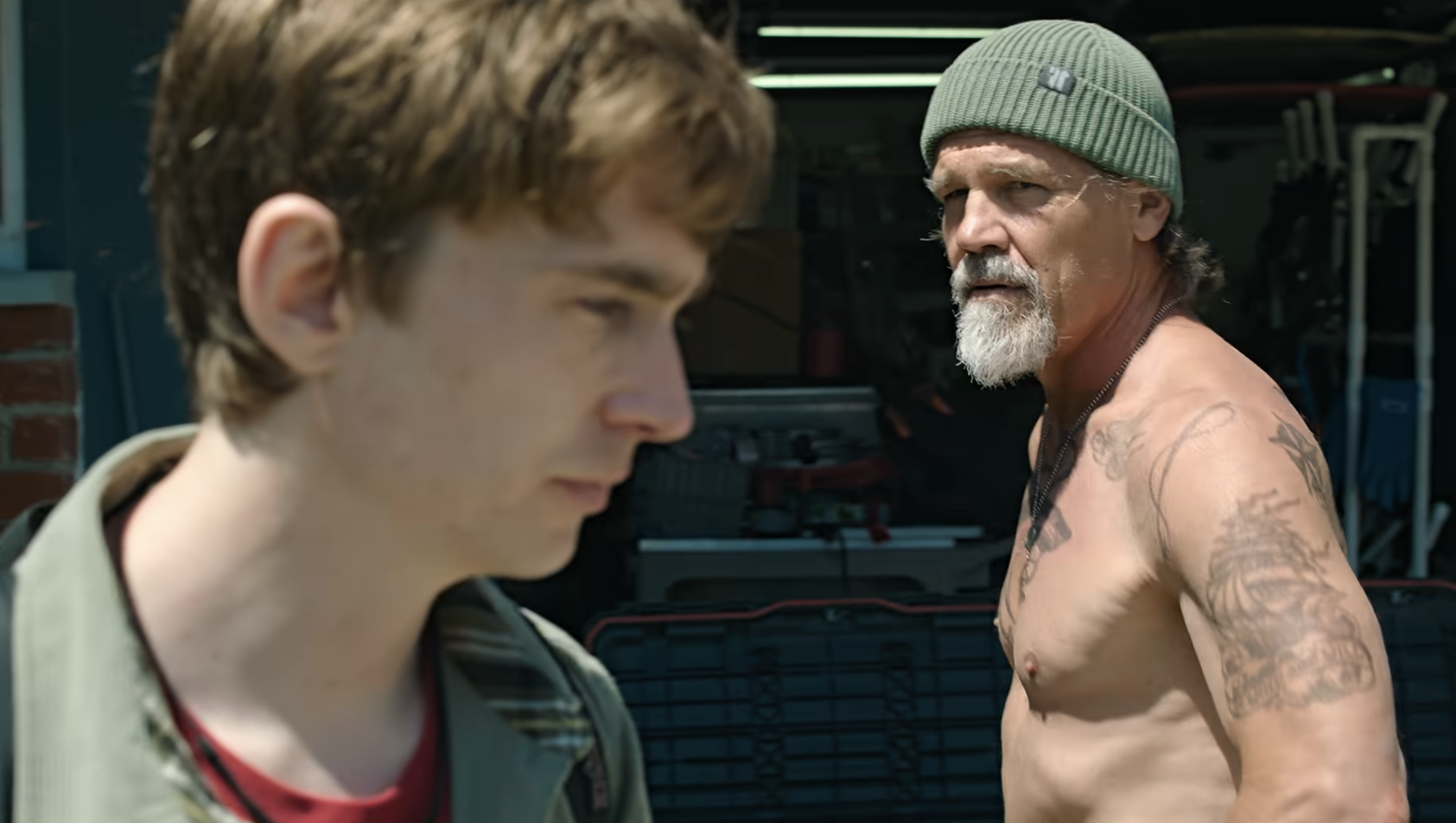
20th Century Studios has confirmed that its upcoming feature film, Whalefall, will premiere in theaters on October 16. In a recent interview with Deadline, executive producer Douglas Merrifield discussed the film's production process, emphasizing the advantages of shooting in California despite the higher costs associated with local filming.
Whalefall features an accomplished cast including Austin Abrams, Josh Brolin, Elisabeth Shue, John Ortiz, Jane Levy, and Emily Rudd. The film was shot across multiple California locations, from Monterey to San Pedro, before completing production at Radford Studios. Merrifield noted that their location choices were made after comparing the logistics of filming in California versus Louisiana, which presented a slightly cheaper option on paper but ultimately proved to be less viable for a project of this nature.
Merrifield highlighted that the decision to film in California was made because the state provides access to the “best creative teams” necessary for this type of film. He stated that the production proved to be worth the additional expenses since the talent and resources available in California far outstripped alternatives. Allen Mendelbaum from Imagine Entertainment also echoed this sentiment, noting that filming in Los Angeles allows crew members to return home nightly, significantly benefiting morale and productivity.
The production of Whalefall was supported by nearly $11 million in tax credits on a total of $50 million in qualified expenditures. This funding scheme comes as California continues to expand its Film & TV Tax Credit Program, which is integral to encouraging higher-profile productions to keep their operations within the state. Merrifield cautioned, however, that while these incentives support projects like Whalefall, a comprehensive above-the-line incentive for major productions is still needed to entice more high-budget films to shoot in California.
With 62 shooting days and a crew of 180, the scale of the production signifies its ambitious nature. The film's financial structure, along with the extensive support provided by California's tax credits, underlines the potential benefits of local filming.
The unique premise of Whalefall, where the protagonist spends a significant amount of time in a whale's stomach, required specialized set designs and effects. While parts of the whale model were crafted in New Zealand, crucial components were built in California to meet production timelines. This highlights the collaboration between local and international teams to achieve high-quality visual effects and set designs.
Production in California remains on an upward trajectory as the state continues to attract both feature films and television projects. With several projects lined up for fall releases alongside Whalefall, the effects of enhanced tax incentives may start to reveal clearer trends in local film production. As the industry looks forward, further commitments to supporting in-state filming could reshape the landscape of Hollywood filmmaking.
With Whalefall set to appear in theaters soon, the production’s success could either reinforce the viability of California as a filming hub or challenge it to evolve its incentive structures. The industry is closely monitoring how this film, along with others like Hexed and Gingerbread Men, will perform now that financial support is being directed towards revitalizing local productions. Whether these measures will prove sufficient for larger, star-studded projects remains to be seen, but the dialogue around California's film industry continues to evolve.
Entertainment news
EpisodeBreakdown may use automated tools to assist research, drafting, and formatting. Published pages are governed by our editorial and corrections policies, and source links are shown when they are available in the article record.
Discovery source: Deadline. The source identifies where the topic was discovered; EpisodeBreakdown is responsible for the commentary published on this page.
Reader response
Reactions and poll results are based on real reader responses. No account is required.