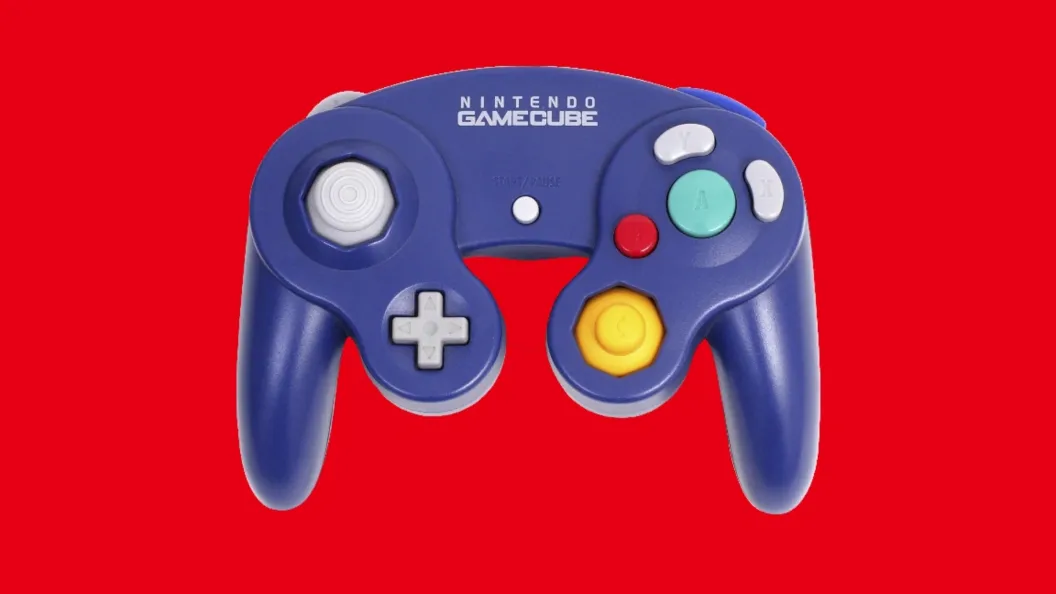
Nintendo’s GameCube, released 25 years ago, was a pivotal experimental console that helped redefine the company’s approach to gaming despite its commercial struggles.
Nintendo’s GameCube: A Pivotal Console in Nintendo’s Evolution
ComicBook.com has reported that Nintendo’s GameCube, launched 25 years ago, played a critical role in shaping the company’s modern identity despite its commercial underperformance. The console, which succeeded the Nintendo 64 in 2001, is now recognized as a key step in Nintendo’s strategic shift toward experiential gaming over traditional console dominance.
The GameCube’s legacy lies in its focus on first-party innovation rather than third-party appeal. While it struggled to compete with the PlayStation 2 and Xbox, it delivered a series of groundbreaking titles that redefined Nintendo’s creative direction. Games like The Legend of Zelda: Wind Waker, Super Mario Sunshine, and Metroid Prime showcased the company’s willingness to experiment with established franchises, while new IPs such as Pikmin and Animal Crossing laid the groundwork for future Nintendo successes.
The GameCube’s Impact on Nintendo’s Strategic Direction
The console’s challenges directly influenced Nintendo’s pivot toward becoming an experience-first brand. After years of dominance in the console market, the GameCube’s inability to secure third-party support highlighted the need for Nintendo to prioritize unique gameplay mechanics over broad market appeal. This shift led to the development of the Wii, which emphasized innovative motion controls and social interaction—a direct evolution of the GameCube’s experimental spirit.
Nintendo’s focus on four-player multiplayer experiences, seen in titles like Mario Kart: Double Dash and Super Smash Bros. Melee, became a hallmark of the company’s approach. These games not only reinforced the GameCube’s legacy but also set the stage for the Nintendo Switch’s success, which fused the compact design of the GameCube with modern handheld capabilities.
Why the GameCube Matters Today
Despite its commercial shortcomings, the GameCube’s influence on Nintendo’s current strategy remains significant. The console’s emphasis on indie and AA titles, now a cornerstone of the Nintendo eShop, traces back to the GameCube era. By prioritizing creative experimentation over mainstream appeal, Nintendo avoided the pitfalls of following competitors and instead built a sustainable ecosystem centered around its own intellectual property.
The GameCube’s legacy also extends to Nintendo’s handling of mature content. While it lacked titles like Grand Theft Auto that catered to a broader audience, its focus on family-friendly experiences helped Nintendo maintain a distinct identity in an increasingly competitive market. This approach has since become a defining characteristic of the company’s modern offerings.
The GameCube’s Role in Nintendo’s Long-Term Strategy
The console’s challenges forced Nintendo to confront the need for third-party partnerships and indie development, which has become central to its current business model. By embracing a more diverse range of games and developers, Nintendo has created a robust ecosystem that supports both its flagship titles and niche experiences.
The GameCube’s legacy is further underscored by its role in Nintendo’s transition from a console-focused company to one that prioritizes experiential gaming. This shift has enabled the company to thrive in the modern era, where digital storefronts and mobile platforms have reshaped the industry.
The GameCube’s story is a reminder that even consoles that fail commercially can have lasting impacts on a company’s trajectory. Its experimental approach to game design and storytelling helped Nintendo carve out a unique niche in an increasingly fragmented gaming landscape.
Nintendo’s GameCube: A Pivotal Console in Nintendo’s EvolutionThe GameCube’s Impact on Nintendo’s Strategic DirectionWhy the GameCube Matters TodayThe GameCube’s Role in Nintendo’s Long-Term Strategy
EpisodeBreakdown may use automated tools to assist research, drafting, and formatting. Published pages are governed by our editorial and corrections policies, and source links are shown when they are available in the article record.
Discovery source:ComicBook.com. The source identifies where the topic was discovered; EpisodeBreakdown is responsible for the commentary published on this page.
Reader response
What did you think?
Be the first to react
Reactions and poll results are based on real reader responses. No account is required.
Continue the story
news
$50 Nintendo Switch Game Now Available for $5 on eShop
A Nintendo Switch game that normally costs $50 on the Nintendo eShop is now available for $5 on the Nintendo eShop. This 90% discount expires September 21, offering 9-11 hours of gameplay for $5.Read next →