‘Paper Tiger’ and ‘Musk’ Documentary Featured at 2026 SFIFF
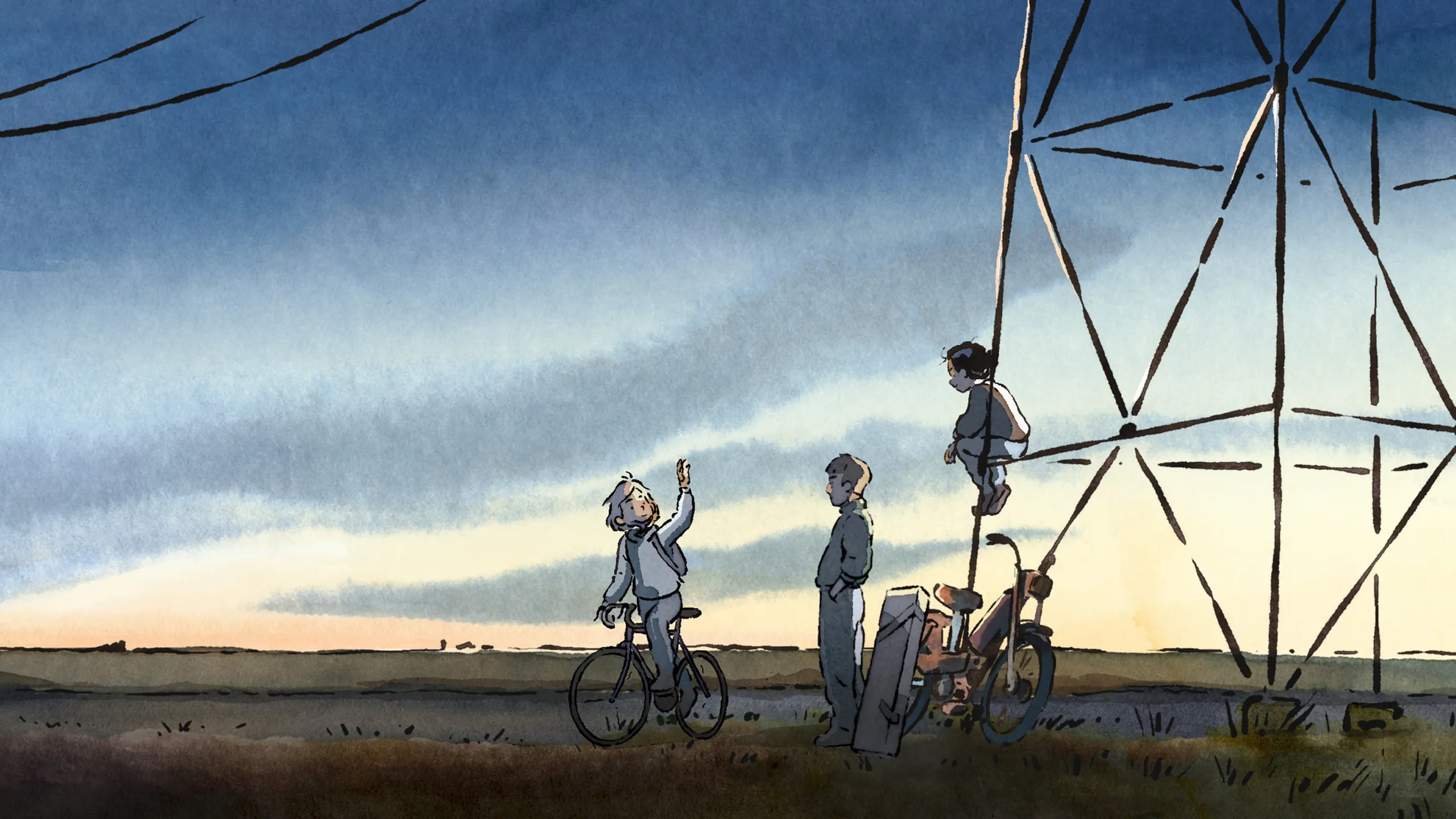
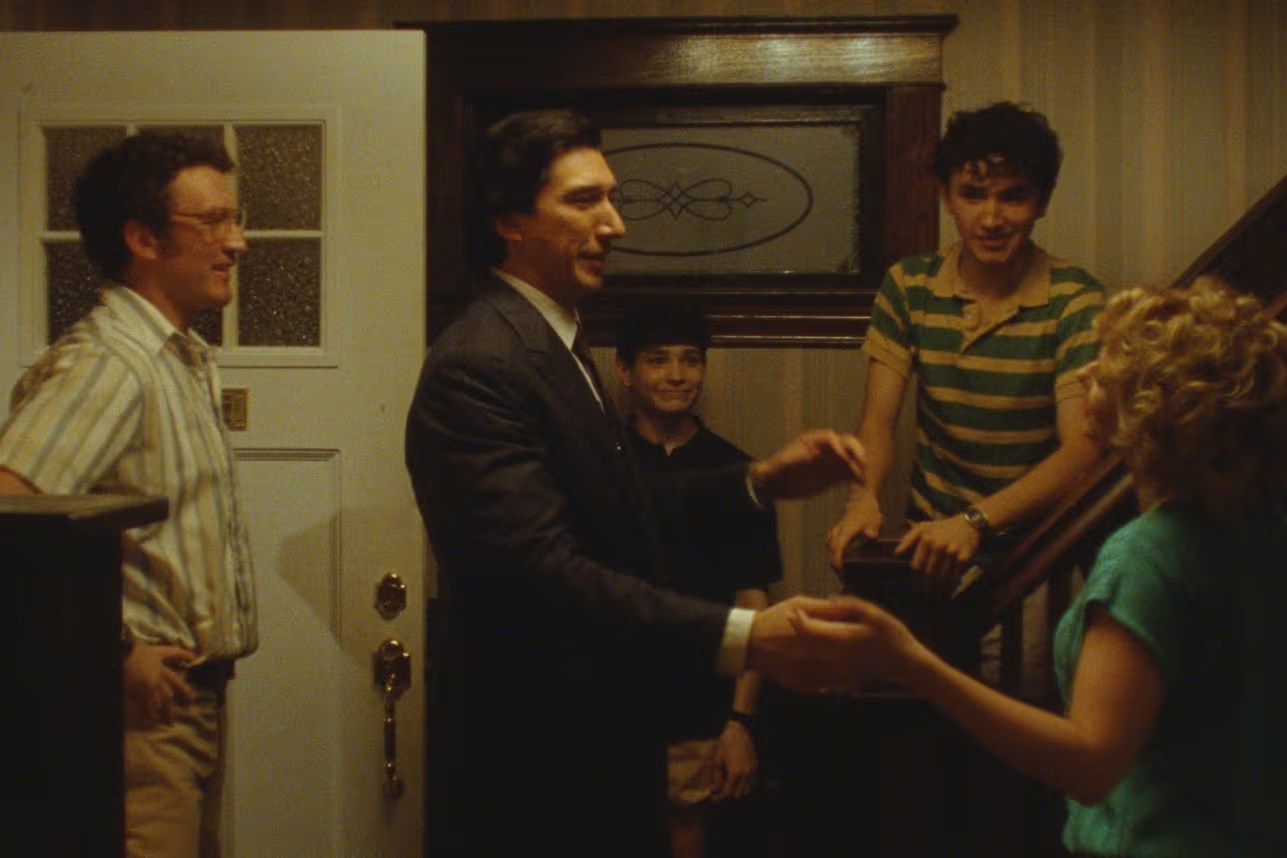
The 2026 Santa Fe International Film Festival showcases key titles including 'Paper Tiger' and 'Musk', marking an exciting lineup for this year.
ComicBook.com discusses four sci-fi sequels that nobody asked for, highlighting their lack of demand and poor reception.
In a recent report by ComicBook.com, the publication outlined four sequels within the sci-fi genre that largely failed to meet audience expectations or spark excitement. The article emphasizes how studios often pursue sequels hoping to capitalize on a film's initial success, yet many follow-ups end up feeling unnecessary, resulting in lackluster performances both critically and at the box office.
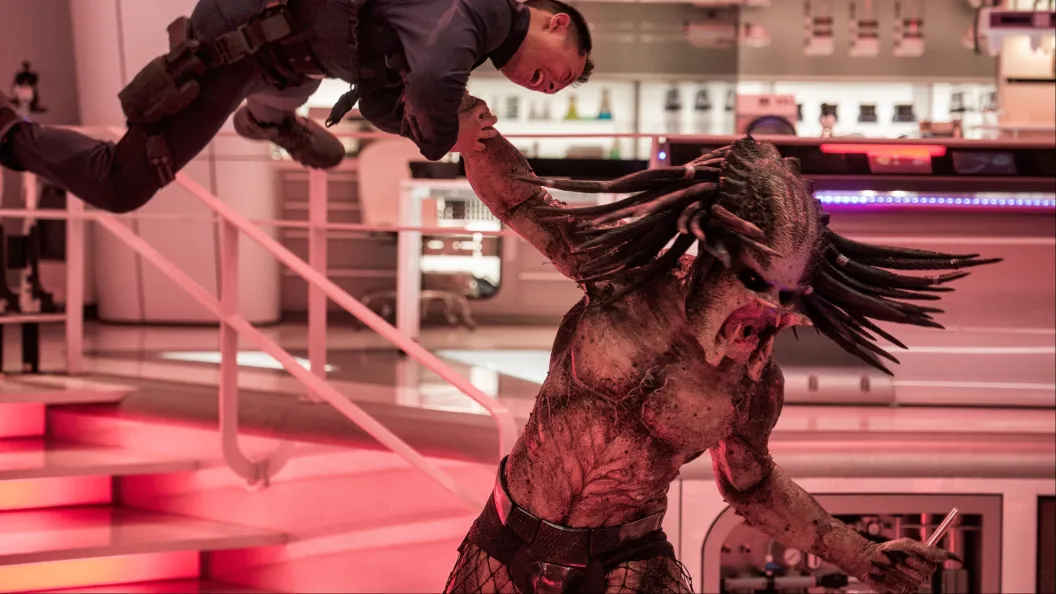
One of the primary examples discussed is the 2018 release, The Predator. While the franchise had seen varying degrees of success since the original 1987 film, the newest installment faced significant backlash. Director Shane Black's version was criticized for replacing the core tension of the original with humor that failed to resonate with audiences. Critics and fans alike deemed it a misstep, resulting in poor box office returns. In contrast, subsequent entries like Prey have revitalized the franchise by exploring fresh narratives, highlighting that the series still has potential beyond uninspired sequels.
Another example from the ComicBook.com article is Solo: A Star Wars Story, which aimed to fill in the backstory of the iconic character Han Solo. Released in 2018, it ultimately revealed that many fans preferred to keep some mysteries intact. Despite strong performances from actors like Donald Glover and Emilia Clarke, audience interest was lukewarm. The consensus was clear: while many Star Wars films were desired, this origin story was not among them. Fans were not clamoring for detailed insights into Solo's past, particularly for someone as enigmatic as he is.
Added to this list is the 2016 sequel Independence Day: Resurgence, which arrived two decades after its predecessor, a beloved classic. The absence of key actor Will Smith was a notable point of contention, especially since his presence was central to the original film's charm. The sequel struggled to capture the same magic and has since been regarded as an unnecessary addition to the franchise, with many fans choosing to ignore it entirely.
Lastly, Terminator Salvation is highlighted as another sequel that proved unwelcome. Released in 2009, this installment lacked the involvement of creator James Cameron and the beloved Arnold Schwarzenegger, attempting to revitalize a saga many believed had reached its natural conclusion. Critics did not respond favorably, resulting in it being seen as another chapter that audiences did not request.
The revelations from ComicBook.com about these sequels underscore a broader trend in Hollywood regarding the creation of sequels. While studios often hope to replicate the success of a blockbuster, this report illustrates that not all beloved films deserve follow-ups. Fans often prefer the original works to stand alone, and these sequels serve as cautionary tales about the risks of tapping into nostalgia without innovative storytelling. The discussion raises important questions about audience demand and the future direction studios should consider when developing sequels to beloved films.
For insights into more successful sci-fi sequels and their impacts, check out our article on 5 More Sci-Fi Sequels That Are Better Than the Originals and the cultural significance explored in the Terminator legacy.
Entertainment news
EpisodeBreakdown may use automated tools to assist research, drafting, and formatting. Published pages are governed by our editorial and corrections policies, and source links are shown when they are available in the article record.
Discovery source: ComicBook.com. The source identifies where the topic was discovered; EpisodeBreakdown is responsible for the commentary published on this page.
Reader response
Reactions and poll results are based on real reader responses. No account is required.